XRP Volatility Intensifies Near $1.50 Resistance as Traders Weigh Bullish Momentum
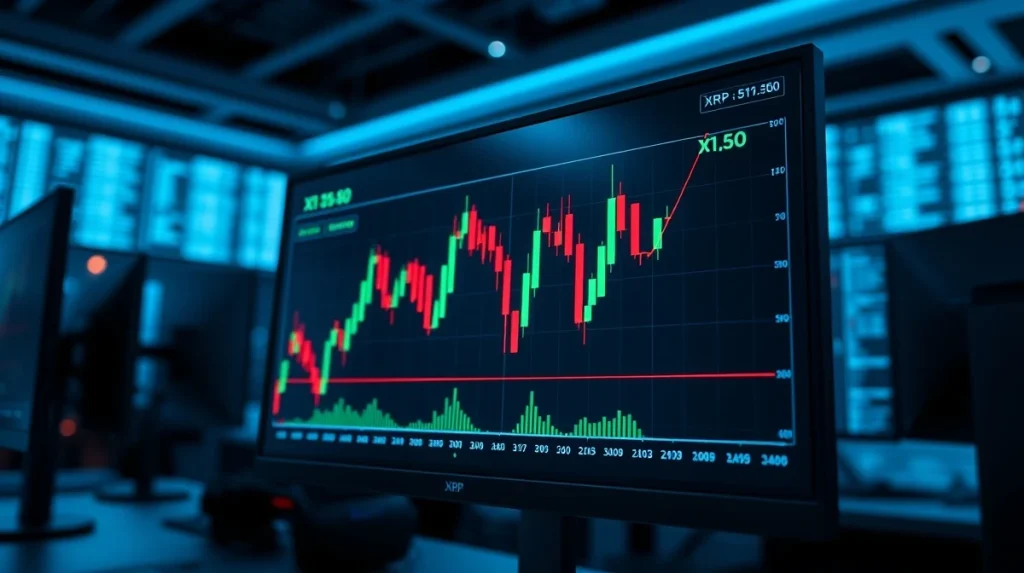
XRP, the digital asset associated with Ripple Labs, is experiencing a notable increase in price volatility as it approaches the $1.50 resistance level. This price zone has historically acted as a significant psychological and technical barrier, and current market data suggests that sellers are becoming more active near this threshold. The key question for traders and investors is whether the ongoing bullish momentum can overcome selling pressure or if a pullback is imminent.
Understanding the $1.50 Resistance Level
The $1.50 mark is not arbitrary. In previous trading cycles, XRP has faced strong resistance at this price point, leading to sharp reversals. The current rally, driven by a combination of positive legal developments for Ripple, increased institutional interest, and broader crypto market optimism, has brought the asset back to this critical juncture. On-chain data indicates a rise in exchange inflows, often a precursor to selling activity, as holders look to lock in profits. However, trading volumes remain elevated, suggesting that new buyers are absorbing the supply.
Also read: BAS Token Surges 35% as BNB Attestation Service Adoption Accelerates
Volatility Metrics and Market Sentiment
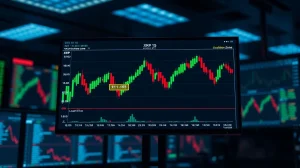
Volatility, measured by indicators such as the Bollinger Bands and Average True Range (ATR), has expanded significantly in recent sessions. This expansion signals uncertainty and the potential for large price swings in either direction. Options markets show increased activity around the $1.50 strike price, with a slight skew toward bearish puts, indicating that some institutional traders are hedging against a downside move. Nevertheless, social sentiment and retail interest remain broadly positive, fueled by ongoing speculation about Ripple’s potential IPO and the adoption of XRP for cross-border payments.
What This Means for Traders
For short-term traders, the current environment demands caution. The combination of a strong resistance level and rising volatility creates a high-risk, high-reward scenario. A decisive break above $1.50 on high volume could trigger a rapid move toward the next psychological barrier at $2.00. Conversely, a failure to hold above $1.40 could lead to a retest of support near $1.20. Position sizing and risk management are critical, as the market is susceptible to sudden liquidation cascades.
Also read: Worldcoin Sell-Off Intensifies, Yet Bullish Structure Holds — WLD Price at a Crossroads
Conclusion
XRP’s approach to $1.50 represents a central moment for the asset. The outcome will likely depend on broader market conditions, including Bitcoin’s price direction and any new catalysts from Ripple’s legal or business developments. While the bullish case remains intact, the rising volatility and seller activity near resistance warrant a measured approach. Investors should monitor volume patterns and key support levels closely in the coming sessions.
FAQs
Q1: Why is the $1.50 level important for XRP?
The $1.50 level is a historical resistance point where XRP has faced selling pressure in the past. It also represents a psychological round number that often attracts both profit-taking and speculative activity.
Q2: What could trigger a breakout above $1.50?
A sustained breakout would likely require a positive catalyst, such as a favorable court ruling in Ripple’s ongoing SEC case, a major partnership announcement, or a broad rally in the cryptocurrency market led by Bitcoin.
Q3: How can traders manage risk during high volatility?
Traders should use stop-loss orders, avoid over-applying, and watch key support levels like $1.40 and $1.20. Monitoring on-chain data for exchange inflows and whale activity can also provide early signals of potential reversals.