Hedera (HBAR) Price Outlook 2026–2030: Evaluating the Path to $1
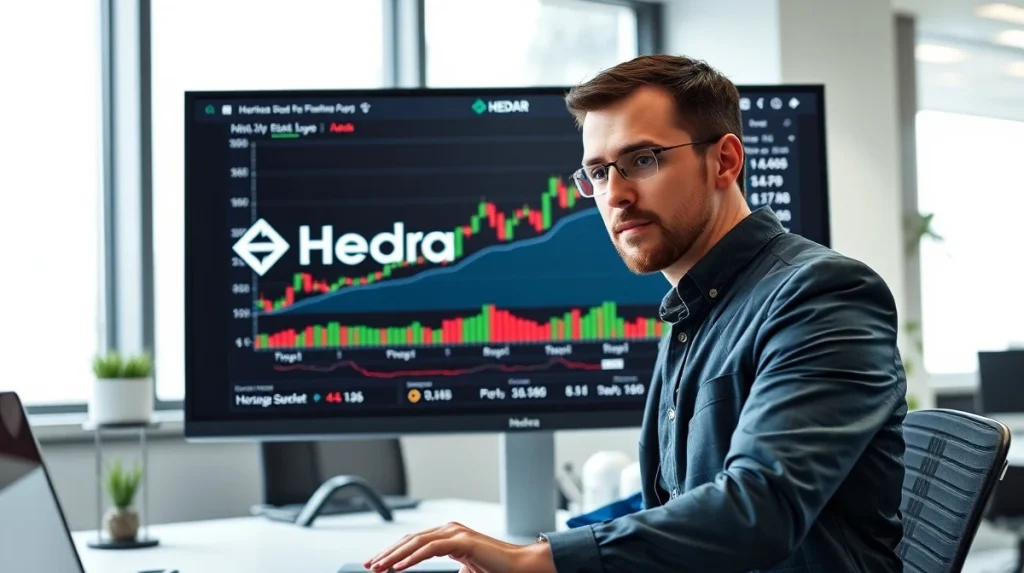
Hedera Hashgraph’s native token, HBAR, has drawn sustained interest from both retail and institutional investors due to its unique directed acyclic graph (DAG) architecture and a governing council that includes major corporations such as Google, IBM, and Boeing. As the cryptocurrency market matures, price predictions for HBAR through 2030 have become a frequent topic of discussion. This article provides a fact-based analysis of the key factors that could influence HBAR’s value over the next several years, with a focus on the realistic feasibility of reaching the $1 milestone.
Understanding Hedera’s Fundamental Value Drivers
Unlike many blockchain projects, Hedera does not rely on proof-of-work or proof-of-stake in the traditional sense. Its hashgraph consensus mechanism offers high throughput, low fees, and finality in seconds. The network’s utility is derived from transaction fees paid in HBAR, which are used for services such as smart contracts, file storage, and tokenization. Real-world adoption—measured by the number of active accounts, transaction volume, and enterprise partnerships—remains the strongest indicator of long-term value. As of early 2026, Hedera has consistently processed tens of millions of transactions per month, with a growing share coming from decentralized finance and supply chain applications.
Also read: XRP Price Reclaims $1.10 Support as Upbit Volume Surpasses Bitcoin
Market Sentiment and Historical Price Context
HBAR reached an all-time high of approximately $0.57 in September 2021, during a broader crypto bull run. Since then, it has experienced typical cyclical volatility, trading in a range between $0.04 and $0.30 through 2023–2025. The token’s price is heavily correlated with overall market sentiment, Bitcoin dominance, and regulatory developments in the United States and the European Union. A $1 price target would require a market capitalization increase of roughly 4–5 times from current levels, assuming token supply remains relatively stable. This is not rare in crypto markets, but it would likely require a sustained bullish cycle and significant network growth.
Regulatory and Competitive Sector
Hedera’s status as a non-blockchain distributed ledger has sometimes created regulatory ambiguity. However, the network’s enterprise focus and compliance-friendly governance have helped it avoid the enforcement actions that have targeted other projects. The approval of spot Bitcoin ETFs in the United States and the gradual clarification of securities laws globally have improved the environment for utility tokens like HBAR. Competitors such as Ethereum, Solana, and Algorand continue to evolve, but Hedera’s unique architecture and established council differentiate it in the enterprise market.
Also read: Can Solana Flip XRP? A Data-Driven Analysis of Market Cap and Network Momentum
Conclusion
While a $1 price for HBAR is technically possible within the 2026–2030 timeframe, it is not guaranteed and depends on multiple variables: broader market cycles, continued enterprise adoption, regulatory clarity, and macroeconomic conditions. Investors should approach price predictions with caution, focusing instead on network fundamentals and real-world usage as more reliable indicators of long-term value. The path to $1 is plausible but requires sustained growth in both user activity and market confidence.
FAQs
Q1: What is the highest price HBAR has ever reached?
HBAR’s all-time high was approximately $0.57, reached in September 2021 during a broader cryptocurrency market rally.
Q2: What factors could help HBAR reach $1?
Key factors include a sustained bull market, increased enterprise adoption of Hedera’s services, favorable regulatory developments, and a growing number of active users and transactions on the network.
Q3: Is HBAR a good long-term investment?
Hedera’s technology and enterprise partnerships provide a solid foundation, but like all cryptocurrencies, HBAR carries significant risk. Long-term investors should evaluate the project’s fundamentals, market conditions, and their own risk tolerance before making decisions.