SUI Price Targets $2 as Gasless Transfers Go Live on Mainnet
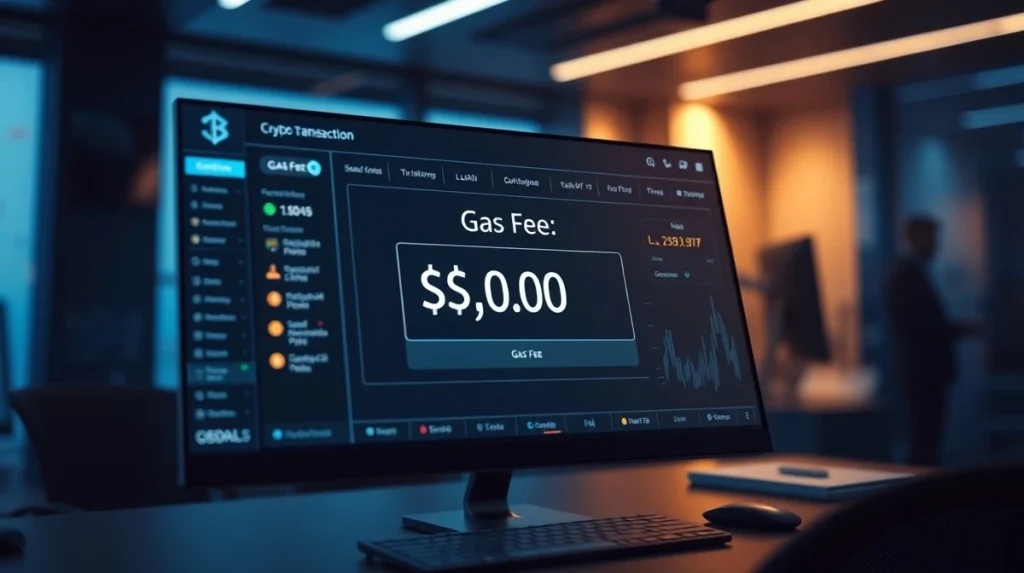
The Sui blockchain has activated gasless transfers on its mainnet, a feature that allows users to send transactions without paying network fees. The upgrade, which went live earlier this week, is being closely watched by traders and analysts as a potential catalyst for SUI’s price action. The token is currently trading near $1.75, with some market participants eyeing a move toward the $2 mark.
What Gasless Transfers Mean for Sui
Gasless transfers remove one of the most common friction points in blockchain usage: the need to hold a native token just to pay transaction fees. On Sui, this feature enables sponsors—such as decentralized applications or exchanges—to cover gas costs on behalf of users. The mechanism is designed to lower the barrier for new entrants and improve the user experience for high-frequency activities like gaming, social apps, and micropayments.
Also read: DEXE Price Surges to New All-Time High After ChangeNOW Listing Announcement
The upgrade is part of Sui’s broader push to compete with other high-throughput blockchains like Solana and Aptos. By eliminating gas fees for end users in certain scenarios, Sui aims to attract developers building consumer-facing applications where transaction costs can deter adoption.
Market Reaction and Price Outlook
Following the announcement, SUI saw a moderate uptick in trading volume, though the price has remained range-bound between $1.65 and $1.85. Analysts note that the $2 level represents a psychological resistance point, last tested in late 2024. A sustained breakout above this threshold would require not just technical momentum but also evidence that gasless transfers are driving real network activity.
Also read: NIGHT Price Stays Under Pressure Despite Midnight’s Token Terminal Partnership
On-chain data from Sui’s explorer shows a noticeable increase in daily transactions since the feature’s activation, though it is too early to determine whether the trend is sustainable. Some observers caution that initial spikes often accompany new features and may not reflect long-term adoption.
Why This Matters for SUI Holders
For token holders, the success of gasless transfers could influence SUI’s value proposition. If the feature successfully attracts a wave of new users and applications, increased network usage could create demand pressure on the token. Conversely, if the feature fails to gain traction, the price may remain tied to broader market conditions rather than network-specific fundamentals.
It is also worth noting that gasless transfers do not eliminate network fees entirely—they simply shift the cost to a sponsor. This means the economic model relies on sponsors finding value in subsidizing transactions, which may not be viable for all use cases.
Conclusion
Gasless transfers represent a meaningful technical upgrade for Sui, addressing a key usability barrier in blockchain transactions. While the feature has generated positive sentiment, the path to $2 is not guaranteed and depends on sustained adoption and broader market conditions. Traders should monitor on-chain activity and developer engagement as more reliable indicators of long-term value than short-term price movements.
FAQs
Q1: How do gasless transfers work on Sui?
Gasless transfers allow a third party, known as a sponsor, to pay the transaction fee on behalf of the user. This is enabled through Sui’s programmable transaction blocks, which can specify a separate fee payer.
Q2: Will gasless transfers make SUI more valuable?
If the feature increases network usage and attracts new applications, it could create positive demand pressure on SUI. However, the token’s price is also influenced by broader crypto market trends and investor sentiment.
Q3: Is this the same as a zero-fee blockchain?
No. Gasless transfers shift the fee burden to a sponsor rather than eliminating fees entirely. The network still collects transaction fees; they are simply paid by a different party.