GenZVerse Burns 100% of LP Tokens and Adopts Multisig Governance to Bolster Ecosystem Security
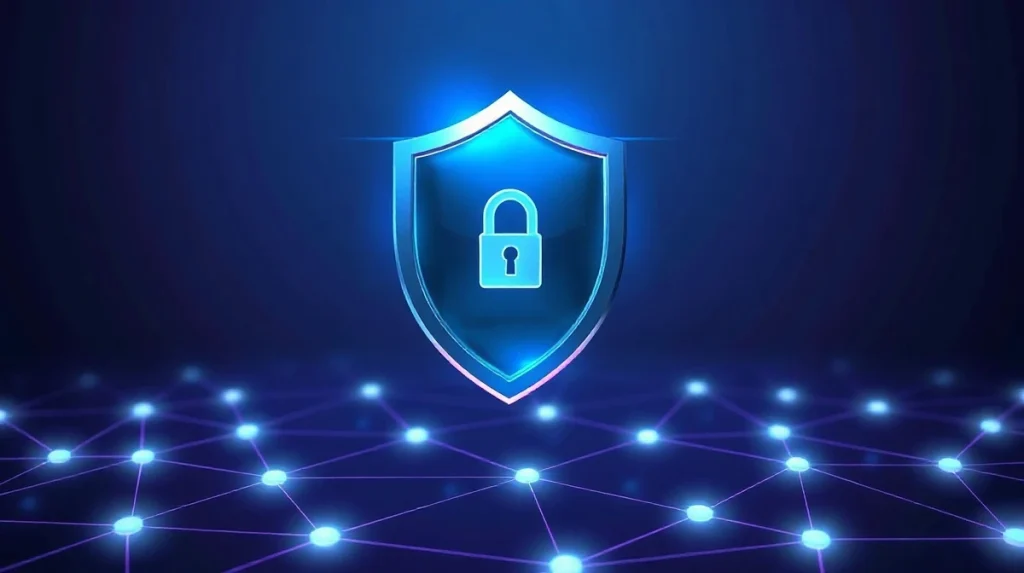
London, United Kingdom – June 2026. GenZVerse, a community-driven Web3 ecosystem built on the Polygon blockchain, has completed two security upgrades: the permanent burn of all its liquidity provider (LP) tokens and the migration of core smart contracts to a multisignature governance structure. The moves are designed to reduce central points of failure and increase community oversight.
The LP token burn — 100% of the supply — eliminates the possibility of a liquidity pull, a common exploit in decentralized finance where a project’s team withdraws pooled funds. By destroying these tokens, GenZVerse ensures that the trading liquidity deposited on decentralized exchanges cannot be removed by any single party.
Also read: SeerDEX Presale Approaches Next Stage Price Increase — What Buyers Should Know
Multisig Governance Adds Oversight
In parallel, the project transferred control of all core ecosystem contracts to a multisignature wallet. Under this setup, multiple authorized signers must approve any transaction before execution, preventing unilateral changes to protocol parameters or fund movements. GenZVerse has not disclosed the full list of signers publicly, but stated that the group includes community representatives alongside core contributors.
Multisig governance is increasingly standard among serious DeFi and Web3 projects, as it distributes trust and reduces the risk of a compromised private key leading to a catastrophic breach.
Also read: Pepeto Touts 100x Potential as Top Crypto Pick; ETH and PAXG See Modest Gains After G7 Summit
Super App Development Underway
These security measures arrive as GenZVerse pushes forward with its Super App development — a planned all-in-one platform integrating social features, decentralized finance tools, and digital identity management. The project has not released a specific launch date but indicated that the security upgrades are a prerequisite for the Super App’s rollout.
The broader context for these moves includes a market where investor confidence has been shaken by high-profile exploits. In 2025 alone, blockchain bridges and DeFi protocols lost over $1.8 billion to hacks, according to data from Rekt News, a security research platform. Projects that demonstrate proactive security hardening tend to retain user trust more effectively during turbulent periods.
Implications for the GenZVerse Community
For holders and users of the GenZVerse token, the LP burn and multisig migration signal a commitment to long-term operational security. However, these technical safeguards do not eliminate all risk. Smart contract vulnerabilities, oracle manipulation, and governance attacks remain possible. The project’s development team has not announced a formal security audit for the Super App’s code, though audits are widely considered a baseline expectation for protocols managing user funds.
GenZVerse’s moves reflect a maturing approach among Polygon-based projects, which have historically varied widely in their security postures. As competition for user attention and capital intensifies, infrastructure reliability may become a key differentiator.