
In this article5 sections
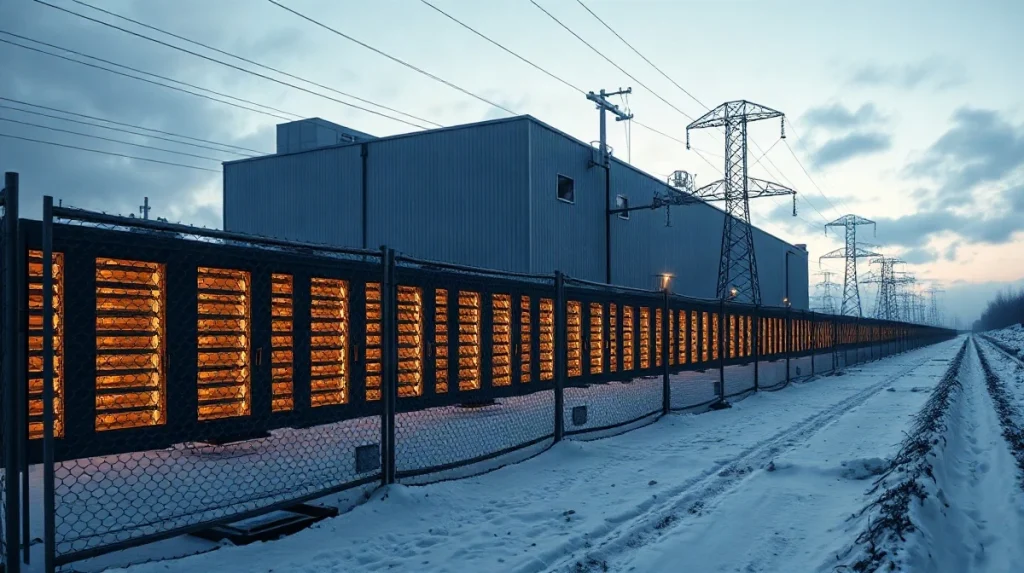
Russia has limited cryptocurrency mining farms to the lowest tier of grid reliability, requiring them to accept connections that authorities can switch off when electricity runs short. The Ministry of Energy confirmed the change on October 9, three days after the government adopted Resolution No. 1300 on October 6, according to Crypto.news.
The decree rewrites Russia’s electricity connection regulations so that any company mining digital currencies or supplying mining infrastructure must connect under Category 4 power supply reliability. That category sits below conventional arrangements and permits interruptions when the network is strained or households and other consumers need the capacity.
 Also readSberbank Wins Bank of Russia Approval to Custody Bitcoin
Key facts
- Resolution No. 1300, adopted October 6, 2026, restricts crypto mining facilities, mining pools and mining infrastructure operators to Category 4 grid connections.
- The Ministry of Energy confirmed the change on October 9 and said it supports efficient use of existing energy infrastructure while protecting supply for residents.
- Category 4 was created in February 2026 under Resolution No. 103 for consumers willing to accept a less reliable supply.
- In August 2026, Resolution No. 936 extended mining restrictions to Moscow, the Moscow Region and designated parts of Kursk, running from August 15, 2026 to December 31, 2032 unless amended.
- Regional energy officials estimated mining consumed about one gigawatt within Moscow’s power system during discussions about capacity shortages.
What the decree changes for operators
The rules apply across Russia, including regions where mining is allowed. Under Category 4, mining equipment can be disconnected without the advance coordination that higher-priority electricity users normally receive, and the Energy Ministry has said the arrangement keeps additional mining demand from eating into supply available to other customers.
The decree does not order an immediate nationwide shutdown of operating farms, and it does not establish that every facility already running on a completed higher-priority connection must move to Category 4. What it does change is the route new projects take: applications must now meet Category 4 technical conditions covering system capacity, protective equipment and network operations, and grid operators can reject a request if those conditions cannot be satisfied. Applications already filed but not yet completed may be re-reviewed under the new framework, and operators remain responsible for managing their sites when power is unavailable.
 Also readRussia's Largest Bank Sberbank Plans Crypto Wallet Launch by December
Bans, suspensions and restart rules
The decree treats territories differently depending on whether the government has imposed a complete mining prohibition. In areas under a full ban, electricity providers cannot accept new Category 4 mining applications, and processing of pending applications, the signing of connection agreements and certain agreed implementation deadlines must be suspended until the prohibition is lifted. Once a ban ends, network companies must resume the specified procedures and settle affected agreements within the periods the decree sets. A Category 4 connection does not by itself exempt an operator from a regional ban that still applies.
Russia legalized regulated crypto mining in 2024 and has widened regional restrictions several times since, beginning with controls from January 2025 that included seasonal limits in parts of Buryatia, Zabaykalsky Krai and Irkutsk, followed by earlier measures covering parts of the North Caucasus and Siberia. The October 6 decree operates alongside those geographic limits rather than replacing them.
Why it matters
Mining economics depend on uptime and on power contracts that assume continuous supply. Placing farms in the interruptible tier converts electricity access from a baseline cost into a variable risk: an operator can lose capacity precisely when demand peaks and prices are highest. For Russian households and industrial users, the change shifts mining from a competing load into a curtailment buffer. It also signals that regulators are treating mining as optional demand rather than an ordinary industrial customer, a distinction that could shape financing and expansion plans for future sites.
What to watch
The Ministry of Energy has not said how many farms will need new connections under Category 4 or how much capacity the changes are expected to free up for other consumers, and those figures will determine the measure’s real effect. Also unresolved is a separate Federal Antimonopoly Service proposal, reported by Bits.media on October 10, that would bar electricity companies from mining or supplying certain facilities and capacity to mining businesses; the October 6 decree does not indicate whether that proposal has been adopted.
Source: crypto.news