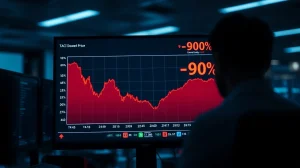
Privacy Protocol Users Seek Safer, More Reliable Alternatives Amid Growing Concerns

Users of several prominent privacy protocols are increasingly exploring safer, more reliable alternatives, driven by growing concerns over data security, protocol reliability, and long-term trustworthiness. The shift reflects a broader market recalibration as individuals and organizations prioritize sturdy privacy solutions over convenience or brand recognition.
Why Users Are Looking Elsewhere
The search for alternatives is not a sudden development. Over the past year, multiple privacy-focused platforms have faced scrutiny over data handling practices, protocol vulnerabilities, and inconsistent user experiences. Reports of security incidents and opaque governance structures have eroded confidence among privacy-conscious users, who are now actively evaluating competing solutions that offer stronger encryption, transparent development, and proven reliability.
Also read: Telegram-Linked TAC Token Crashes 90% in 15 Minutes: What Happened?
Industry observers note that the privacy protocol sector has matured significantly, with newer entrants emphasizing verifiable security audits, open-source codebases, and community-driven oversight. These features are increasingly seen as essential by users who have grown wary of centralized control or undisclosed vulnerabilities in established protocols.
The Market Response
Several emerging protocols have reported a surge in user adoption and developer interest as the shift gains momentum. Analysts attribute this to a combination of factors, including heightened awareness of digital privacy risks, regulatory pressures, and a desire for solutions that align with the original principles of decentralized, user-controlled data management.
Also read: XRP Scarcity Index on Binance Hits Highest Level Since Mid-2024, So Where Did the Coins Go?
Existing protocols are responding by accelerating security audits, improving transparency reports, and engaging more directly with their user communities. However, for many users, trust once broken is not easily restored, and the migration toward newer, more transparent alternatives appears to be a structural trend rather than a temporary reaction.
What This Means for Users
For the average user, the current environment offers both opportunity and caution. The availability of more reliable privacy tools means greater choice and potentially stronger protection. However, the transition requires careful evaluation of each protocol’s technical merits, governance model, and track record. Users are advised to prioritize solutions that have undergone independent security audits and maintain clear, publicly accessible development roadmaps.
Conclusion
The search for safer, more reliable privacy protocol alternatives is a natural evolution in a maturing market. As user expectations rise and trust becomes the primary currency of digital privacy, protocols that fail to deliver on transparency and security will likely continue to lose ground to those that do. For users, the key takeaway is to remain informed and proactive in choosing solutions that genuinely protect their data.
FAQs
Q1: Why are users leaving established privacy protocols?
Users are moving due to concerns over data security, protocol vulnerabilities, lack of transparency, and inconsistent reliability. Recent security incidents and governance issues have accelerated the search for alternatives.
Q2: What should users look for in a reliable privacy protocol?
Key factors include independent security audits, open-source code, transparent governance, a strong development community, and a clear track record of reliability and user protection.
Q3: Is this shift likely to continue?
Yes, industry analysts expect the trend to persist as users become more educated about privacy risks and demand higher standards of transparency and security from the protocols they trust.