Telegram-Linked TAC Token Crashes 90% in 15 Minutes: What Happened?
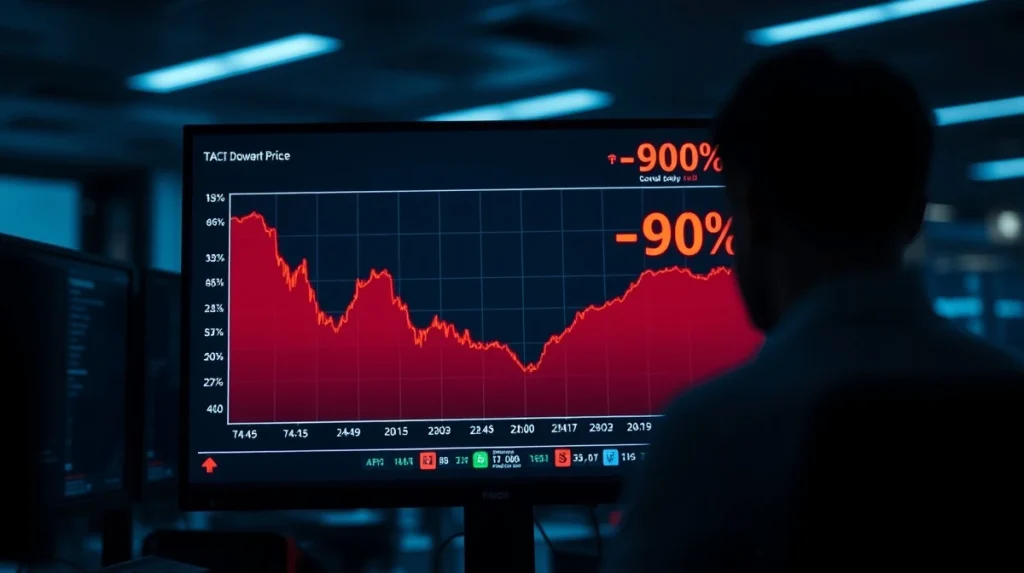
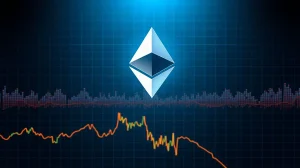
The TAC token, a cryptocurrency heavily promoted within Telegram-based trading communities, collapsed by approximately 90% in just 15 minutes on March 25, 2025. The event wiped out millions of dollars in market value and left many retail investors holding near-worthless tokens.
Timeline of the TAC Flash Crash
Data from decentralized exchange aggregators shows that TAC’s price dropped from approximately $0.12 to $0.012 between 14:30 and 14:45 UTC. Trading volume spiked to over $8 million during that window, with the majority of sell orders originating from a cluster of wallet addresses that had received large allocations during the token’s initial distribution.
Also read: How Much XRP Do You Really Need to Retire? A 2026 Reality Check
Blockchain analysis suggests that at least two wallets, each holding over 5% of the circulating supply, executed coordinated sell-offs. This drained the liquidity pools on the Uniswap and PancakeSwap decentralized exchanges where TAC was most actively traded.
The Telegram Connection
TAC gained traction through several large Telegram groups dedicated to “alpha calls” and low-cap token trading. Promoters in these channels had been urging members to buy TAC in the days leading up to the crash, citing an upcoming exchange listing and partnership announcements that never materialized. The token’s official Telegram channel, which had over 40,000 members, was deleted within hours of the crash.
Also read: Cardano (ADA) Jumps 27%: Network Records, ETF Hopes, and the Road to $1.50
This pattern is consistent with so-called “pump and dump” schemes, where organizers accumulate a token, promote it aggressively through social media, and then sell their holdings once the price rises, leaving later buyers with losses. The U.S. Securities and Exchange Commission has warned investors about such schemes in the crypto space.
Market Reaction and Aftermath
Following the crash, the TAC token’s liquidity fell to under $10,000 across all trading pairs, making it effectively impossible for remaining holders to sell without further collapsing the price. On-chain data shows that the suspected selling wallets have not moved their proceeds to any centralized exchange, suggesting the funds may be held in cold storage or being moved through privacy mixers.
The incident has drawn renewed scrutiny to the role of Telegram in crypto token promotion. Unlike more regulated social media platforms, Telegram channels can be created and deleted with minimal oversight, making them a fertile ground for anonymous promoters.
Broader Implications for Crypto Traders
While flash crashes are not uncommon in cryptocurrency markets, the speed and severity of the TAC event underscore the risks of trading tokens with low liquidity and opaque ownership structures. Investors are advised to verify whether a token’s liquidity is locked, to review smart contract code for suspicious functions, and to be wary of tokens that are promoted exclusively through anonymous social media channels.
The TAC crash also follows a pattern seen in other Telegram-linked tokens this year. In January 2025, the XYZ token lost 70% of its value in a single hour after similar Telegram-driven promotion. Regulatory bodies in multiple jurisdictions are reportedly examining the role of messaging apps in facilitating unregistered securities offerings.
Frequently Asked Questions
What caused the TAC token to crash so suddenly?
The crash appears to have been triggered by a large sell order or coordinated dump by major holders, which rapidly depleted liquidity and caused a cascade of panic selling.
Is the TAC token linked to Telegram officially?
The token is not officially issued by Telegram. It is a third-party token that gained popularity through Telegram-based trading groups and channels.
Can investors recover their losses from the TAC crash?
Recovery is unlikely in most cases. Such crashes are often permanent, and the token may have little to no remaining liquidity or value.
How can traders avoid similar rug pulls or flash crashes?
Traders should verify token liquidity, check for locked liquidity pools, review the token’s smart contract for suspicious functions, and avoid tokens heavily promoted only on social media without transparent teams.