In this article5 sections
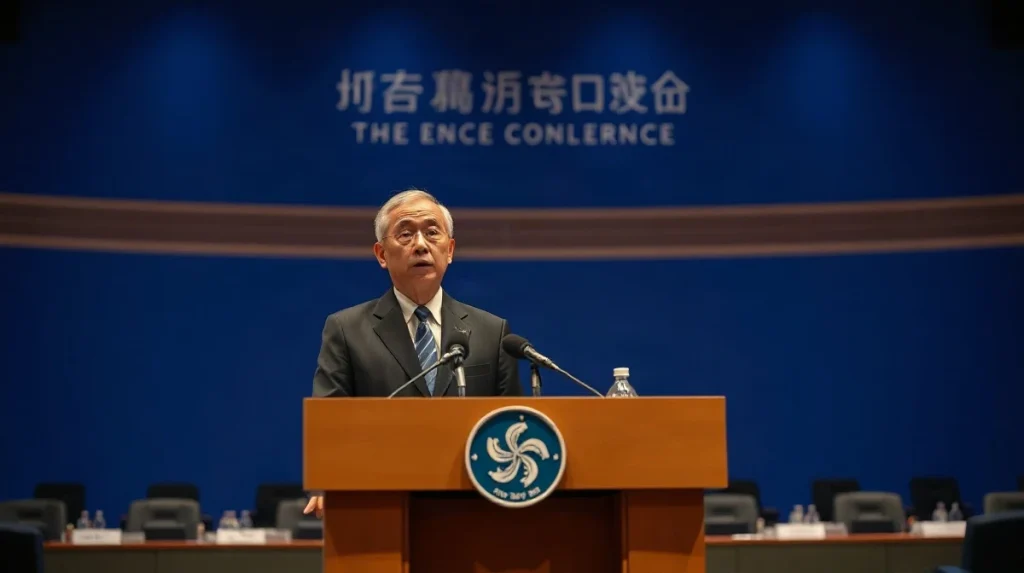
Hong Kong will bring cryptocurrency dealers, advisers, asset managers and custodians under a licensing regime through a bill due before the end of the year, Financial Secretary Paul Chan said in a keynote at the Bloomberg Global Regulatory Forum in Hong Kong, Bitcoin Magazine reported. Chan said the measure would close out the city’s regulatory perimeter by extending licensing to those who deal in, advise on, manage and hold digital assets.
The plan would amend the Anti-Money Laundering and Counter-Terrorist Financing Ordinance, according to a government reply to the Legislative Council dated Nov. 4. Hong Kong already licenses virtual asset trading platforms; the bill is framed as pulling dealing, advisory, management and custody work into the same ordinance rather than drafting a new one. Crypto Briefing reported that the proposed rules would require licensing or registration with the Securities and Futures Commission, bringing crypto activity closer to how conventional securities are handled.
 Also readSberbank Wins Bank of Russia Approval to Custody Bitcoin
Key facts
- Chan said the bill would be introduced before the end of this year, with no more specific date given beyond that.
- Only two of 36 first-round stablecoin applicants received licenses, granted in April, and both have since launched Hong Kong dollar stablecoins.
- The Stablecoins Ordinance took effect in August 2025, and the Hong Kong Monetary Authority issued the two issuer licenses this April.
- As of the end of September, the SFC had authorized 17 retail tokenised products, including 13 tokenised money market funds, holding about HK$10.3 billion in their tokenised classes.
- Two tokenised money market funds began round-the-clock secondary trading on licensed platforms on Oct. 26, per the government’s Nov. 16 statement.
A narrow gate for stablecoins
Chan presented the low stablecoin approval rate as deliberate. He said the emphasis is on “genuine use cases and credible business models,” pointing to cross-border payments as an example, and did not name the two licensed issuers or indicate when another application round might open. Hong Kong, he suggested, wants a regulated digital-asset market without admitting every applicant.
Same activity, same regulation
Chan described the guiding principle as “same activity, same risks, same regulation.” On tokenisation, he said funds offered to the public in Hong Kong have grown about seven-fold over a year, and that two tokenised money market funds have traded around the clock on a licensed platform since last month. He added that the approach carries the same requirements as conventional products, with additional safeguards for new risks, and that “decentralisation does not mean less accountability.”
 Also readHong Kong jails ex-banker 4 years over $470K USDT bribes
Why it matters
The bill would affect firms that hold or trade bitcoin and other digital assets in the city but have so far escaped the platform-licensing regime, forcing them to choose between applying and staying out of Hong Kong. Acting Secretary for Financial Services and the Treasury Joseph Chan told lawmakers on Nov. 4 that international platforms may apply if they meet the statutory tests and the securities regulator’s rules, and that the bill is meant to let a wider range of service providers operate locally. The two reports frame the same announcement slightly differently: Bitcoin Magazine focuses on the scope of the licensing perimeter and the stablecoin approval figures, while Crypto Briefing emphasizes the SFC’s role and possible effects on market sentiment, including its note that pricing for Hyperliquid could signal how traders read the move.
What to watch
The immediate test is whether the bill reaches the Legislative Council before year-end, as Chan said it would. The government has not said how long lawmakers would have to debate it, and Chan gave no timetable for a further stablecoin application round. This article is not financial advice, and crypto markets remain volatile and uncertain.
Sources: Bitcoin Magazine, Crypto Briefing