Stablecoin Dominance Nears 10% as Chart Signals Echo 2022 Bear Market Pivot
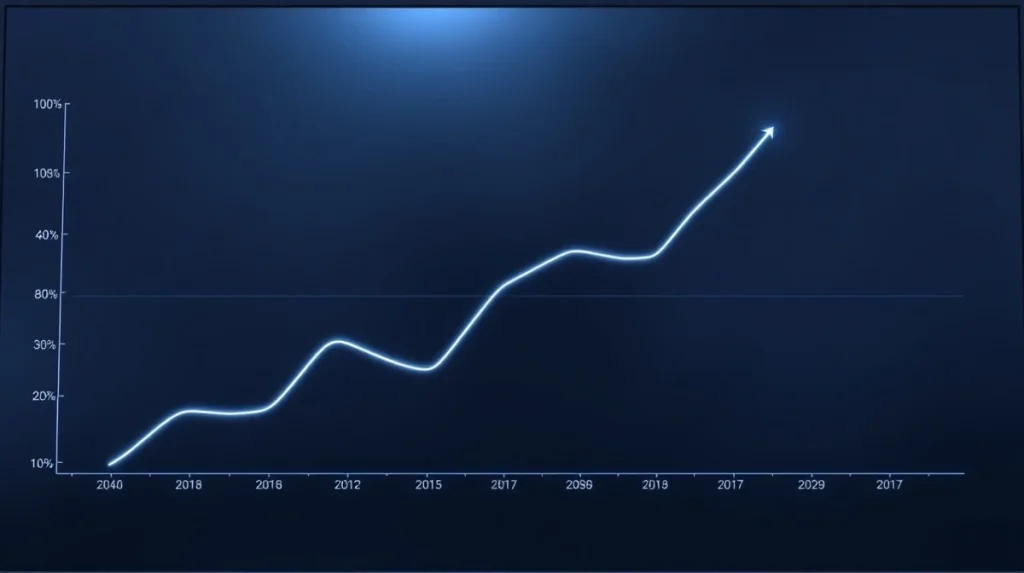
Stablecoin dominance, a metric that tracks the combined market capitalization of major stablecoins relative to the total crypto market, has climbed from 8.051% to just under 10%, landing at 9.986%. The shift, highlighted by analyst MooninPapa on X, is being described as a notable technical development that historically has preceded significant market turning points.
What the Data Shows
The metric, often referred to as stablecoin dominance TBO (total blockchain outstanding) support, measures the share of capital parked in stablecoins like USDT, USDC, and DAI versus the broader cryptocurrency market. A rise in this ratio typically indicates that investors are moving capital into stablecoins, often as a defensive move during periods of uncertainty or ahead of a potential market shift.
Also read: CZ Says Binance KYC Compliance Led to His Prison Term, While Hyperliquid Operates Without KYC
According to publicly available data, the jump from roughly 8% to nearly 10% occurred over a compressed timeframe, which analysts say is unusual for routine trading sessions. Such rapid shifts in stablecoin dominance have historically coincided with moments of heightened market anxiety or anticipation of a directional change.
Parallels to 2022 Bear Market
The current pattern draws comparisons to the 2022 bear market, when stablecoin dominance surged above 10% before the market eventually found a bottom and began a recovery phase. During that period, stablecoin dominance peaked at around 16% in late 2022, signaling that a large portion of capital was sitting on the sidelines in stable form.
Also read: Hyundai Card Tests Stablecoin Payments Between US and Mexico Subsidiaries
While history does not repeat itself exactly, the structural similarity has caught the attention of technical analysts. The argument is not that a crash is imminent, but that the market may be approaching a phase where liquidity is concentrated in stablecoins, potentially setting the stage for a significant move — either up or down.
What This Means for Investors
For market participants, the rise in stablecoin dominance suggests a cautious sentiment among traders. Capital flowing into stablecoins often precedes a period of reduced volatility, followed by a breakout in either direction. It does not, however, predict the direction of the next move.
It is also worth noting that the absolute level of stablecoin dominance remains below the peaks seen in previous cycles. The current reading of 9.986% is still far from the 16% highs of 2022, indicating that while caution is rising, the market has not yet reached the extreme levels of risk-off behavior observed during the depths of the last bear market.
Conclusion
The rapid increase in stablecoin dominance from 8% to nearly 10% is a technical signal that warrants attention, but not panic. It reflects a market that is increasingly cautious, with capital rotating into stable assets. Whether this precedes a rally or a further decline remains uncertain, but the historical precedent suggests that a significant market event may be approaching. As always, investors should rely on a broad set of indicators and avoid making decisions based on a single metric.
FAQs
Q1: What is stablecoin dominance?
Stablecoin dominance measures the market capitalization of all stablecoins as a percentage of the total cryptocurrency market. A rising ratio indicates that more capital is being held in stablecoins relative to other cryptocurrencies.
Q2: Why does stablecoin dominance matter?
It is often used as a gauge of market sentiment. A rising stablecoin dominance can signal that investors are de-risking or preparing to deploy capital, while a falling ratio may indicate that capital is flowing into more volatile assets.
Q3: Does a rise to 10% guarantee a market move?
No. While historical patterns show that such shifts have preceded significant market events, stablecoin dominance is just one of many indicators. It does not predict direction or timing and should not be used in isolation for trading decisions.