In this article5 sections
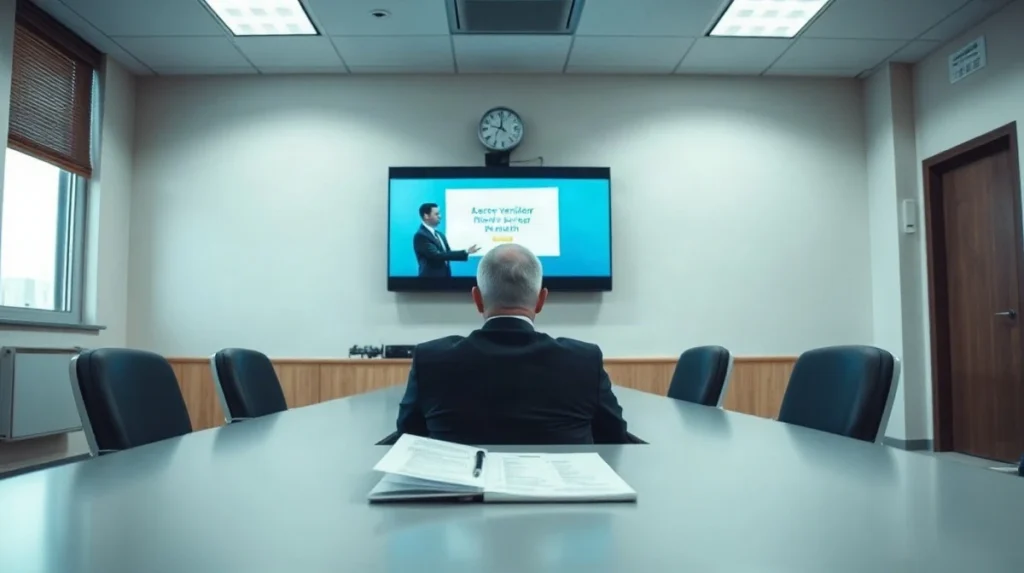
The US Department of Defense is handing defense contractors a faster route to selling artificial intelligence to the military through a procurement program called Tradewinds, which accepts product pitches submitted as videos of no more than five minutes, Wired reported.
The initiative is managed by DoD’s Chief Digital and Artificial Intelligence Office (CDAO). Companies describe how their AI products address one of several periodically updated strategic focus areas, and a panel of judges reviews submissions at least once a month before deciding whether to admit them to the Tradewinds Solutions Marketplace, where government officials can then watch the videos. OpenAI, Anthropic and Google are all listed as participants; all three declined to comment to Wired.
 Also readUS Treasury Buys Back $4 Billion in 7- to 10-Year Debt on Sept. 17
Key facts
- Vendor videos submitted to Tradewinds must be no longer than five minutes, and judges review submissions at least monthly.
- Accepted products are considered post-competitive, a status that can let buyers satisfy competitive procurement requirements and help trim months off award timelines.
- A DoD official said the department has in several instances made awards through Tradewinds in less than a week.
- The White House requested $1.5 trillion for the Department of Defense in its 2027 budget request, citing historic investments in AI as a priority.
- The Pentagon can spend up to $500 million on a single other transaction agreement without notifying Congress.
What the marketplace wants now
This year’s calls seek AI technology that can help enhance force lethality and AI-enabled agents that assist in the joint targeting process, including kill chain execution. Pitches that promoted a culture of responsible AI and offered guardrails for AI development and use, which had been requested in the final Tradewinds cycle under the Biden administration, are no longer in focus. A DoD official said the 2026 selections were chosen to align with a January 2026 AI strategy memo.
The recruiting push reaches beyond traditional contractors. Then-sitting US Army secretary Daniel Driscoll wrote, as part of a pitch for more defense tech startups in Y Combinator’s Fall 2026 wishlist, that there had never been a better time to build for the Army. Driscoll has since resigned and returned to the private sector, and did not respond to a request for comment.
 Also readStrategy Buys 1,665 BTC and Repurchases $152M of STRC
The contracts behind the videos
Acceptance onto the marketplace opens the door to other transaction agreements, or OTs, which are exempt from certain federal acquisition requirements. Procurement experts describe OTs as fast and flexible, appealing to startups unwilling to gamble on a months-long process. Not all agencies publicly report their OT spending, and the figures that are published can be hard to find on USASpending.gov and SAM.gov.
Senator Joni Ernst of Iowa told Wired that while these agreements can attract new procurement partners and cut red tape, numerous reviews have flagged questionable costs, mishandling of restricted information, a lack of oversight, reduced accountability and transparency, and difficulty tracking outcomes. Ernst recently worked to pass the Stop Secret Spending Act of 2025, which requires the Department of Defense and other agencies to report OTs publicly, with three years to reach compliance.
Public records show Google, Anthropic and OpenAI each hold OTs with the Pentagon’s CDAO. According to a DoD official, Tradewinds was used alongside market analysis and research as part of the department’s AI acquisition strategy, but the three companies did not confirm whether the program was used for the specific agreements Wired identified.
Why it matters
Tradewinds is part of an effort to pull nontraditional vendors into a defense market that consolidated after the Cold War, when the Pentagon encouraged mergers at a meeting known as the Last Supper. Will Roberts, a former acquisition lead for CDAO’s predecessor who helped launch the effort, said that consolidation had a large impact on market competition, while private AI investment has weakened the leverage the military once gained by funding technologies such as the Internet and GPS. Sharon Weinberger, author of Valley of Death: How Big Tech Is Fueling the Future of War, said the money the Pentagon can put into AI is a drop in the bucket next to venture capital, giving Silicon Valley titans outsized influence over its technological direction. For buyers, the marketplace compresses the path from pitch to purchase; for critics, it moves spending further from public view.
What to watch
The next monthly panel decisions and any further 2026 focus-area updates from CDAO will show how quickly the marketplace keeps admitting vendors, while agencies face a three-year clock under the Stop Secret Spending Act of 2025 to begin reporting their other transaction spending to the public.
Source: Wired