Bitcoin Missed Its Payment Moment, Says MARA CEO: Why BTC Is Now ‘Digital Gold’
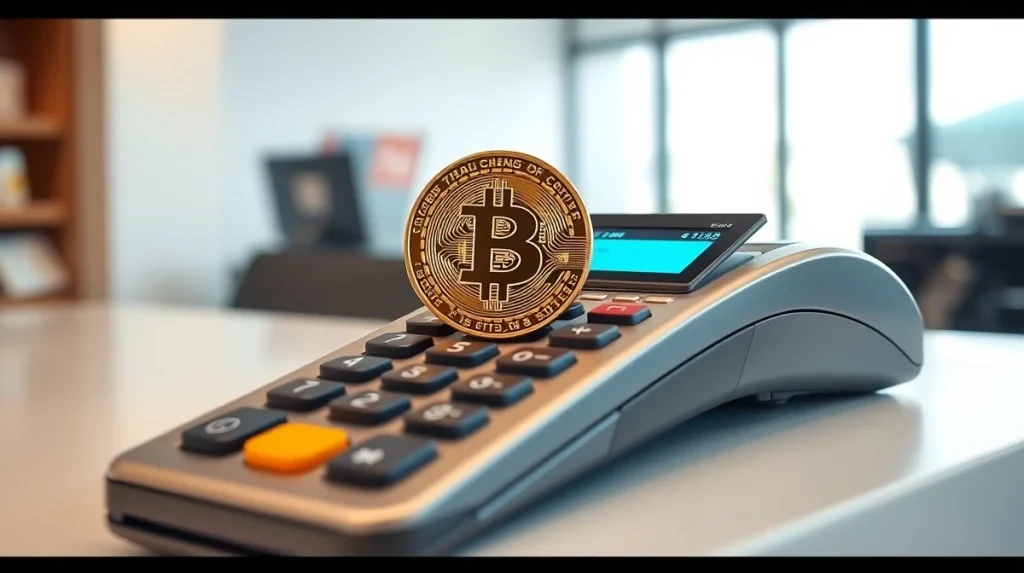
MARA Holdings CEO Fred Thiel has delivered a blunt assessment of Bitcoin’s evolution: the world’s largest cryptocurrency has missed its window to become a mainstream payment method. In a recent interview, Thiel argued that Bitcoin’s technical limitations — particularly its transaction speed and cost — have relegated it to a role as a store of value, a ‘digital gold’ rather than a medium for everyday commerce.
Thiel’s comments come as Bitcoin trades around $65,000, having recovered from earlier dips but still far below its all-time high of over $73,000 set in March 2024. The remarks highlight a growing divide within the crypto community between those who still see Bitcoin as ‘peer-to-peer electronic cash’ — the vision outlined in Satoshi Nakamoto’s 2008 whitepaper — and those who accept its current role as an institutional-grade asset.
Also read: Bitcoin Breaks Above $77K, Triggering $865M in Liquidations — What the Bullish Signals Mean Now
Why Bitcoin’s Payment Dream Faded
The core of Thiel’s argument rests on Bitcoin’s technical architecture. The network processes roughly seven transactions per second, compared to Visa’s capacity of over 24,000. This bottleneck leads to congestion during peak demand, driving transaction fees upward. In April 2024, average Bitcoin transaction fees spiked to over $30 as the halving event and Runes protocol launch clogged the mempool.
Lightning Network, a layer-2 solution designed to enable faster and cheaper transactions, has made progress but remains complex for average users. Thiel noted that the user experience is still too clunky for mainstream adoption, requiring users to manage channels and liquidity. ‘For the average consumer, it’s not practical,’ he said.
Also read: Bitcoin, Ethereum, XRP Rally as $1B Short Squeeze and ETF Inflows Fuel Crypto Gains
The ‘Digital Gold’ Narrative Gains Traction
Thiel’s perspective aligns with a broader shift among institutional investors. The approval of spot Bitcoin ETFs in the United States in January 2024 has channeled billions into Bitcoin as an investment vehicle, not a payment rail. BlackRock, Fidelity, and other asset managers market Bitcoin primarily as a hedge against inflation and currency debasement.
This narrative is supported by data: Bitcoin’s correlation with gold has increased in recent years, while its correlation with tech stocks has fluctuated. ‘Bitcoin is not going to replace the dollar,’ Thiel said, emphasizing that its finite supply of 21 million coins makes it a superior store of value in an era of fiscal expansion.
What This Means for the Crypto Industry
Thiel’s comments carry weight because MARA is one of the largest publicly traded Bitcoin miners, holding over 25,000 BTC on its balance sheet. His stance suggests that even those who profit from Bitcoin’s infrastructure see its future in finance, not payments.
This does not mean Bitcoin is dead as a currency. In countries with unstable fiat systems, such as El Salvador and Argentina, Bitcoin is still used for remittances and savings. However, in developed economies, the infrastructure for crypto payments — from merchant adoption to regulatory clarity — remains underdeveloped. Stablecoins like USDC and USDT have largely captured the payments niche, offering speed and stability that Bitcoin cannot match.
For readers, the takeaway is that Bitcoin’s investment thesis has evolved. If you are holding Bitcoin, you are betting on its appreciation as a scarce asset, not on its utility as cash. The debate is unlikely to be settled soon, but Thiel’s candid assessment adds a powerful voice to the ‘digital gold’ camp.