XRP Strengthens Core Role as XRPL Expands Compliance, Privacy, and Lending Tools
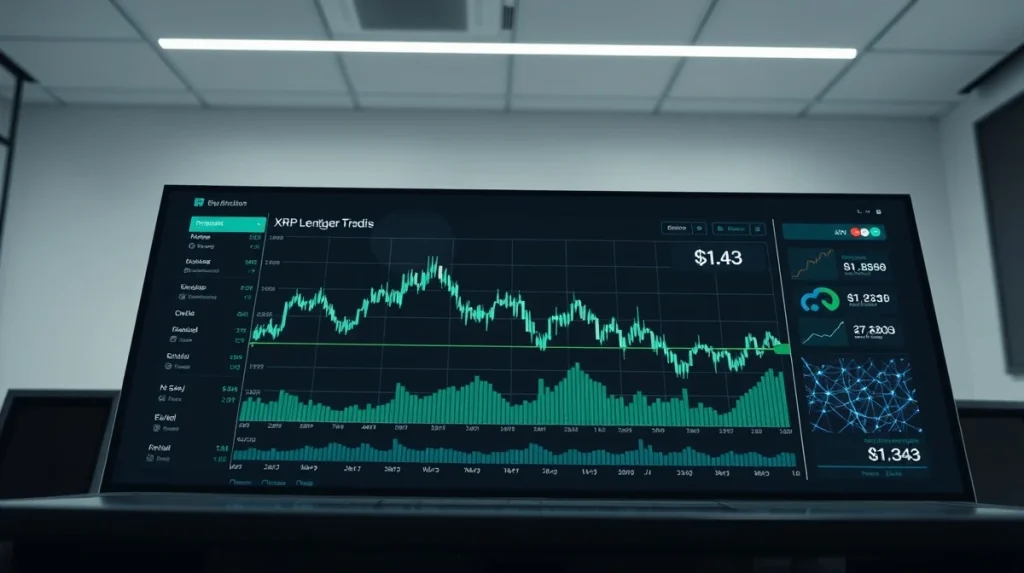
XRP is trading near $1.43 as the XRP Ledger (XRPL) expands its ecosystem with new compliance, privacy, and lending tools, reinforcing the native asset’s central role in network liquidity. The developments come as the broader cryptocurrency market seeks more regulated and functional decentralized finance (DeFi) infrastructure.
XRPL’s Expanding Toolset
The XRP Ledger is adding several key features designed to meet institutional and regulatory demands. These include compliance-focused transaction tools, enhanced privacy mechanisms, and a permissioned decentralized exchange (DEX) framework. Additionally, native lending capabilities are being built directly into the protocol, allowing users to borrow and lend assets without relying on third-party smart contracts.
Also read: CZ Says Binance KYC Compliance Led to His Prison Term, While Hyperliquid Operates Without KYC
These upgrades position XRPL as a more versatile platform for financial institutions, particularly those in regulated markets. The permissioned DEX, for example, enables only verified participants to trade, which aligns with know-your-customer (KYC) and anti-money laundering (AML) requirements common in traditional finance.
XRP’s Liquidity Advantage
XRP remains the backbone of liquidity on the XRP Ledger because it is counterparty-free and embedded at the protocol level. Unlike tokens issued on the network, XRP does not carry the credit risk of a specific issuer. This makes it a trusted bridge asset for cross-border payments and on-chain trading pairs.
Also read: Hyundai Card Tests Stablecoin Payments Between US and Mexico Subsidiaries
The new lending and privacy tools are expected to increase demand for XRP as a collateral asset and transaction medium, further entrenching its role in the network’s economy.
Why This Matters for the Market
For traders and institutional users, the addition of built-in compliance and privacy features addresses two major pain points: regulatory uncertainty and transaction confidentiality. The XRPL’s approach differs from other blockchains that rely on separate layers or third-party protocols for such functionality.
This integrated design could make XRPL more attractive for enterprise adoption, especially in regions with strict data protection laws like Europe’s GDPR or financial regulations such as MiCA.
Conclusion
XRP’s price movement to $1.43 reflects growing market confidence in the XRP Ledger’s expanding capabilities. As the network adds compliance, privacy, and lending tools, XRP’s role as a core liquidity asset becomes more deeply embedded in the protocol’s design. These developments signal a shift toward more regulated, functional DeFi infrastructure that could drive further adoption among financial institutions.
FAQs
Q1: What is the permissioned DEX on XRPL?
The permissioned DEX is a decentralized exchange on the XRP Ledger that only allows verified participants to trade, meeting KYC and AML compliance standards.
Q2: How does XRP maintain its role in XRPL liquidity?
XRP is counterparty-free and built into the protocol, meaning it carries no issuer credit risk, making it a trusted bridge asset for all transactions on the network.
Q3: Why are privacy features important for XRPL?
Privacy features allow users to conduct transactions confidentially, which is critical for institutions operating under strict data protection and financial regulations.