UNUS SED LEO: The Top-10 Crypto That Rarely Makes Headlines — Here’s Why
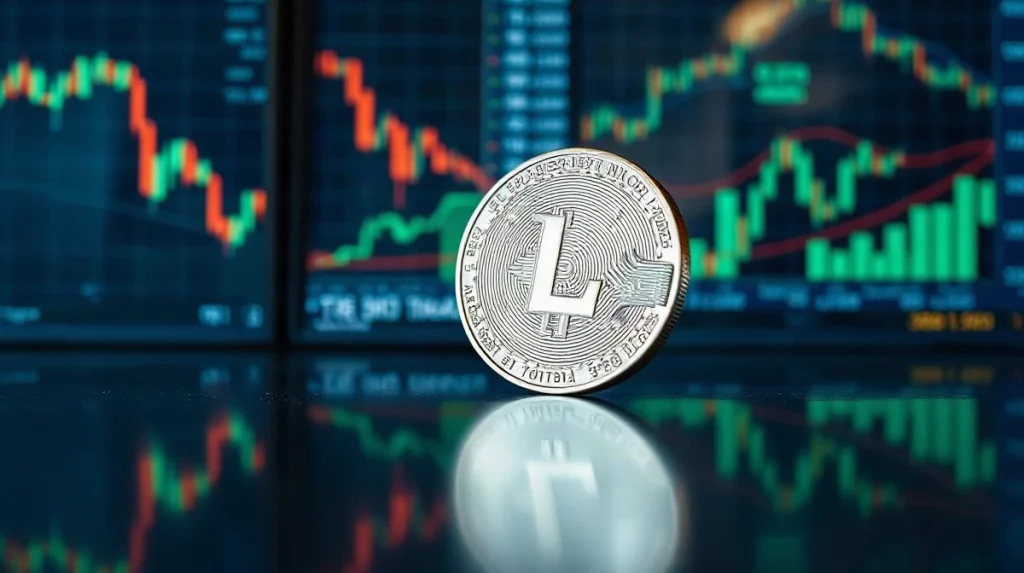
UNUS SED LEO (LEO) consistently ranks among the top 15 cryptocurrencies by market capitalization, often hovering around the 11th spot with a market cap exceeding $5 billion as of early 2025. Yet, it rarely generates the media buzz of Bitcoin, Ethereum, or even newer meme coins. This paradox raises a key question: why does a top-tier crypto asset remain so under the radar?
LEO is the native token of the iFinex ecosystem, which includes the Bitfinex exchange and related platforms. Launched in May 2019, the token was created as part of a recovery plan to address a $850 million loss Bitfinex suffered due to the insolvency of payment processor Crypto Capital. The token sale raised $1 billion in just 10 days, making it one of the largest initial exchange offerings (IEOs) at the time.
Utility and Tokenomics: More Than Just a Trading Pair
LEO’s primary utility lies in reducing trading fees on Bitfinex. Holders can pay fees using LEO and receive a discount of up to 25%, depending on their trading volume. Additionally, LEO is used for withdrawals, lending, and other platform services, creating a demand that is tied directly to the exchange’s activity.
One of the most distinctive features of LEO is its burn mechanism. Bitfinex commits to using 27% of its operating revenues to buy back and burn LEO tokens each month. This deflationary pressure is designed to reduce supply over time, potentially increasing the token’s value. According to the official whitepaper, the burn process will continue until 98% of the total supply (approximately 985 million tokens) is removed from circulation.
Also read: Pi Network Rolls Out DeFi Features on Testnet, Including Swap Interface and SLICE Token
This burn mechanism has been consistently executed, with monthly reports published on the Bitfinex website. For instance, in January 2025, the platform burned over 2,000 LEO tokens, reflecting a steady commitment to the process.
Why So Little Attention?
Several factors contribute to LEO’s low profile despite its market cap ranking. First, LEO is not listed on major exchanges like Coinbase or Kraken, limiting its accessibility to retail investors. Most trading activity occurs on Bitfinex and a few other platforms, which reduces its visibility in mainstream crypto media.
Second, LEO’s value is closely tied to the performance of Bitfinex, which has a smaller user base compared to giants like Binance. The token’s utility is primarily platform-specific, making it less attractive to speculative traders who prefer assets with broader use cases or stronger narratives.
Third, the token’s association with Bitfinex’s past legal troubles, including the New York Attorney General’s investigation into the Crypto Capital loss, may have dampened its appeal. While the case was settled in 2022, the shadow of regulatory scrutiny lingers.
Market Implications and What to Watch
For investors, LEO offers a unique exposure to the revenue stream of a major exchange. Unlike many tokens that rely on hype, LEO’s value is backed by a tangible utility and a deflationary mechanism. However, this also means its performance is highly correlated with Bitfinex’s operational success and the broader regulatory environment for crypto exchanges.
In the long term, the continued execution of the burn mechanism and potential expansion of the iFinex ecosystem could support LEO’s price. Conversely, any regulatory action against Bitfinex or a decline in trading volumes could negatively impact the token.
As the crypto market matures, assets like LEO may gain more attention from institutional investors seeking stable, utility-driven tokens. For now, it remains a quiet but significant player in the top tier of cryptocurrencies.