SpaceX IPO Valuation Sparks Debate Among Investors
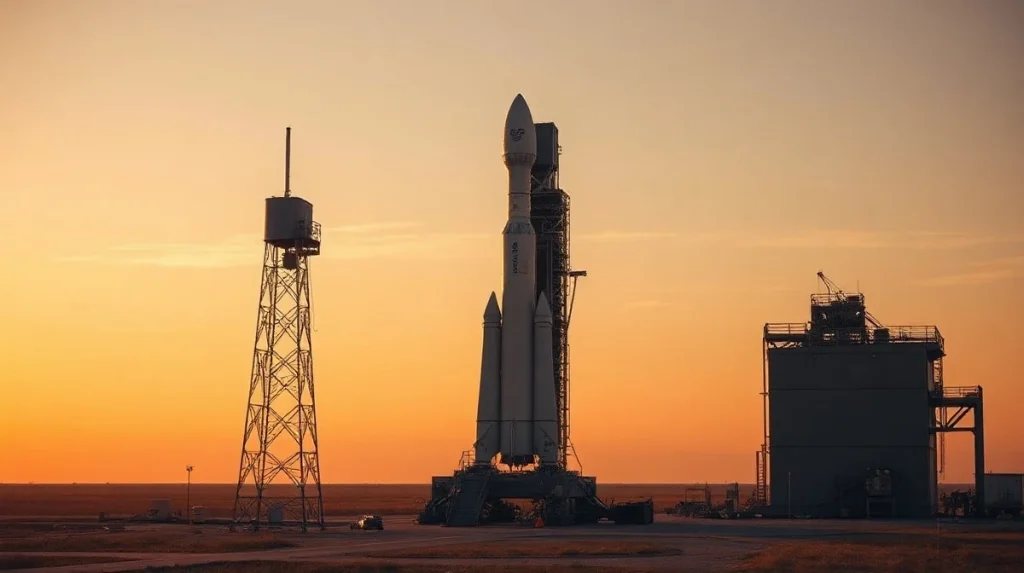
SpaceX, the private space exploration company founded by Elon Musk in 2002, has long been one of the most anticipated initial public offerings in the technology and aerospace sectors. Recent discussions around its potential valuation have raised concerns among investors, who are weighing the company’s ambitious growth trajectory against market realities and the inherent risks of the space industry.
According to reports from financial analysts and private market transactions, SpaceX’s valuation has surged past $180 billion in secondary markets, driven by the success of its Starlink satellite internet service and the reliability of its Falcon 9 launch vehicle. However, some investors question whether this valuation is sustainable given the company’s capital-intensive business model and the uncertain timeline for achieving consistent profitability.
Also read: CZ Says Binance KYC Compliance Led to His Prison Term, While Hyperliquid Operates Without KYC
Why the Valuation Raises Questions
SpaceX operates in a capital-intensive industry where development costs for new rockets, spacecraft, and satellite constellations run into the billions. The company’s Starship program, designed for deep-space missions and lunar landings, has faced multiple test flight delays and regulatory hurdles from the Federal Aviation Administration. These factors introduce significant execution risk that some analysts argue is not fully reflected in the current valuation.
Starlink, while generating growing revenue, still faces competition from established telecommunications providers and other low-Earth orbit satellite networks, including Amazon’s Project Kuiper. The long-term profitability of Starlink depends on subscriber growth and the ability to keep launch costs low, both of which are subject to market and operational pressures.
Also read: Hyundai Card Tests Stablecoin Payments Between US and Mexico Subsidiaries
Investor Sentiment and Market Timing
The broader market environment also plays a role in investor caution. Rising interest rates and a shift away from high-growth, pre-profit companies have made technology IPOs more challenging in recent years. SpaceX has not announced a firm date for going public, and Musk has previously stated that an IPO is unlikely until the company’s Mars transport system is operational, a goal that remains years away.
Private market investors, including funds and high-net-worth individuals, have driven the secondary market valuation. But some institutional investors express concern that the current price may reflect speculative demand rather than fundamental business performance. A 2024 analysis by PitchBook noted that SpaceX’s revenue was estimated at $8.7 billion, but net income remained modest relative to its market capitalization.
What This Means for Potential Shareholders
For retail investors hoping to buy shares in a future IPO, the key question is whether SpaceX can deliver on its long-term vision without diluting existing shareholders or taking on excessive debt. The company has raised billions through private funding rounds, and its balance sheet remains strong relative to peers. However, the path to a public listing is uncertain, and the valuation debate underscores the difficulty of pricing a company with such unique assets and ambitions.
As the space economy continues to grow, with projections from Morgan Stanley estimating it could reach $1 trillion by 2040, SpaceX remains a central player. But investors should approach any IPO with a clear understanding of the risks, including regulatory changes, technological challenges, and the cyclical nature of capital markets.