Kalshi-CFTC Legal Battle in New Mexico Could Reshape US Prediction Market Rules
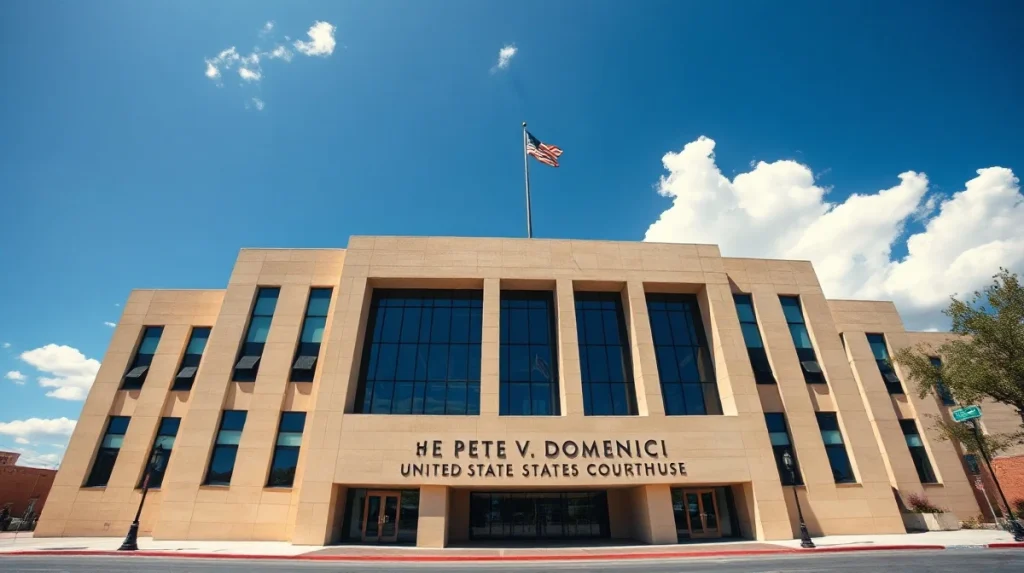
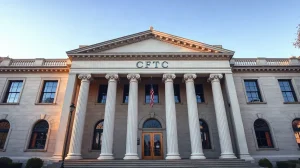
A legal challenge filed by Kalshi against the Commodity Futures Trading Commission (CFTC) is now before a federal judge in New Mexico, and the outcome could determine the regulatory future of prediction markets in the United States. The case, which centers on whether the CFTC overstepped its authority by blocking Kalshi’s event contracts, has drawn attention from industry observers and legal analysts who see it as a major test of the agency’s power over novel financial instruments.
What Is at Stake in the Kalshi-CFTC Dispute
Kalshi, a regulated exchange that allows users to trade on the outcomes of events like elections and economic data releases, sued the CFTC in 2023 after the agency rejected its proposal to list contracts on congressional control. The CFTC argued that these contracts amounted to unlawful gaming and could undermine election integrity. Kalshi countered that its contracts are legitimate financial derivatives subject to CFTC oversight, not gambling.
Also read: CFTC Launches Innovation Committee With Crypto, AI, and Prediction Markets on Agenda
The case was filed in the U.S. District Court for the District of New Mexico, a venue chosen by Kalshi for its perceived neutrality. A ruling in favor of Kalshi could force the CFTC to adopt a narrower interpretation of its authority, potentially opening the door for a wider range of event contracts. A ruling for the CFTC would likely reinforce the agency’s broad discretion to block contracts it deems contrary to the public interest.
Why This Matters for Polymarket and Other Platforms
The lawsuit’s implications extend beyond Kalshi. Platforms like Polymarket, which operate outside traditional CFTC jurisdiction by using cryptocurrency and offshore structures, are closely watching the case. If Kalshi wins, it could establish a regulatory pathway for domestic, compliant prediction markets, potentially drawing users and liquidity away from unregulated alternatives. Conversely, a CFTC victory could push more activity offshore, complicating enforcement efforts.
Also read: Trump Says CFTC Is Working to Bring Hyperliquid to the U.S. — What That Means for Crypto Derivatives
Legal experts have noted that the case could also influence how other financial regulators approach emerging markets. The SEC, for instance, has pursued similar enforcement actions against crypto platforms, and a clear precedent on the limits of agency authority could have ripple effects across the digital asset space.
Timeline and Next Steps
Oral arguments were heard in early 2024, and a decision is expected in the coming months. The judge has not indicated when a ruling will be issued. Both parties have submitted extensive briefs, with Kalshi arguing that the CFTC’s rejection was arbitrary and capricious, while the CFTC maintains its decision was within its statutory mandate.
Regardless of the outcome, an appeal is widely anticipated. The case could ultimately reach the Supreme Court if the appellate ruling does not resolve the underlying legal questions. For now, the prediction market industry is in a holding pattern, awaiting a decision that could define its operating environment for years to come.