Japan Eyes First Bitcoin ETF by 2028, Analysts Predict $20 Billion Inflow
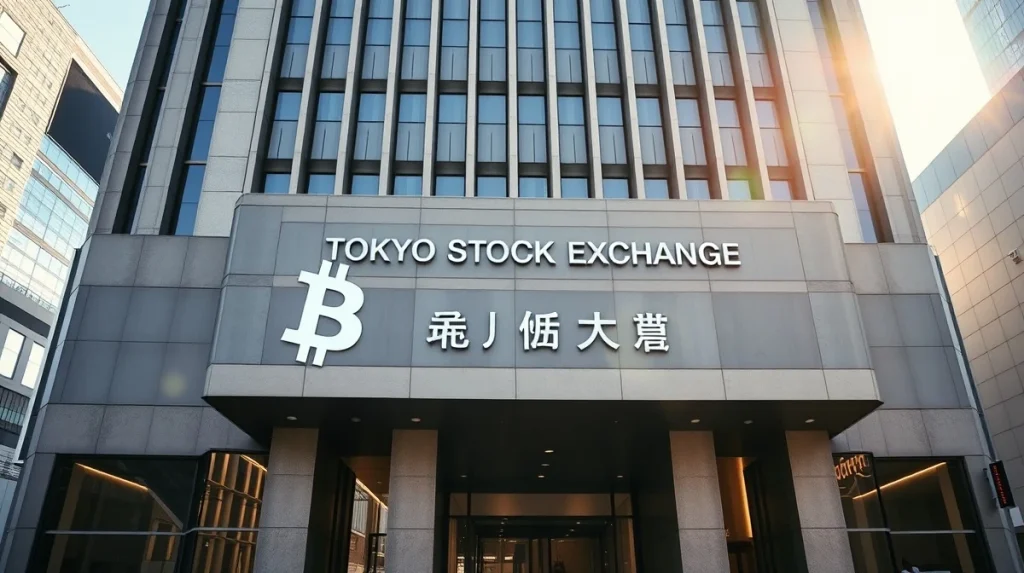
Japan is laying the groundwork for its first Bitcoin exchange-traded fund (ETF), with a target launch window around 2028, according to reports citing regulatory sources. Industry analysts estimate that a Japanese Bitcoin ETF could attract up to $20 billion in inflows within its first few years, drawing from both retail investors and institutional funds currently limited in their crypto exposure.
The development signals a notable shift in Japan’s approach to digital assets. The country’s Financial Services Agency (FSA) has historically taken a cautious stance, prioritizing investor protection and market integrity. However, recent signals from the agency suggest it is exploring a structured framework for crypto ETFs, potentially modeled after the approval process seen in the United States and Hong Kong.
Also read: Oil Prices Jump Above $97 as U.S.-Iran Tensions Threaten Supply
Regulatory Evolution and Market Readiness
Japan has long been one of the more regulated crypto markets globally, having established early licensing requirements for exchanges after the Mt. Gox collapse in 2014. The FSA’s current deliberations focus on custody standards, asset segregation, and disclosure requirements specific to Bitcoin ETFs. Sources indicate that the agency is consulting with major Japanese financial institutions, including Nomura Holdings and Mitsubishi UFJ Financial Group, both of which have expressed interest in offering crypto-related products.
The $20 billion inflow estimate comes from a combination of factors: Japan’s high household savings rate, a growing retail appetite for digital assets, and the gradual entry of pension funds and insurance companies into alternative investments. For context, Japan’s household financial assets total roughly ¥2.1 quadrillion ($14 trillion), meaning even a 0.15% allocation to a Bitcoin ETF would approach the $20 billion figure.
Also read: Fed Rate Hike Odds Jump to 66% After Warsh's Jackson Hole Signal — Jobs Report Looms
Comparison with Global Bitcoin ETF Markets
The United States approved its first spot Bitcoin ETFs in January 2024, and within 12 months, those products had accumulated over $50 billion in assets under management. Hong Kong followed with its own approvals in April 2024, attracting a smaller but steady flow of capital. Japan’s potential entry would add a third major market for Bitcoin ETFs, further legitimizing the asset class among conservative Asian investors.
One key difference in Japan’s approach may be a requirement for physical delivery of Bitcoin rather than cash settlement, a structure that could reduce counterparty risk but also increase operational complexity for issuers. The FSA is also reportedly considering tax treatment for ETF holdings, which could affect net returns for Japanese investors.
Implications for Investors and the Broader Market
If realized, a Japanese Bitcoin ETF would provide a regulated, tax-efficient vehicle for millions of Japanese investors who currently buy crypto through unregulated exchanges or avoid the asset class entirely due to complexity. It would also likely reduce the premium on Japanese crypto exchanges, where Bitcoin has sometimes traded at a 5-10% premium relative to global averages due to limited arbitrage options.
For the global Bitcoin market, $20 billion in new demand would represent a significant absorption of supply. At current Bitcoin prices, that sum would equate to roughly 3-4% of the total circulating supply, a factor that could support price stability and reduce volatility over the long term.
Still, the timeline remains uncertain. The FSA has not publicly committed to a specific date, and regulatory hurdles — including anti-money laundering compliance and market manipulation safeguards — must be addressed. Industry observers expect a formal consultation paper from the FSA within the next 12 months, with a final framework potentially in place by 2027.