In this article4 sections
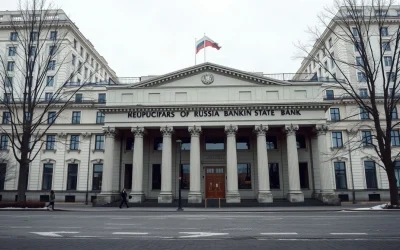
Sberbank, Russia’s largest financial institution, plans to accept Bitcoin, Ethereum, and Tether’s USDT as loan collateral as the country’s new cryptocurrency regulatory framework takes effect on September 1, 2026. The move would expand the bank’s digital asset lending beyond an earlier pilot with Bitcoin and Russian mining firm Intelion Data.
Sberbank Deputy Chairman Anatoly Popov said the bank has practical experience working with digital assets and will adapt existing lending products under the new regulations. The bank intends to launch Bitcoin-backed lending first, then expand collateral options to Ethereum and USDT once those assets receive Bank of Russia approval for public circulation.
 Also readSberbank to Launch Crypto Trading and Custody by December 2026 Under New Russian Law
Expanding Beyond the Intelion Data Pilot
Sberbank’s previous pilot with Intelion Data gave the institution hands-on experience with cryptocurrency custody, collateral monitoring, and lending procedures, according to Wu Blockchain. That trial positioned the bank to move quickly once regulators established a legal framework for digital asset transactions.
The bank has not yet disclosed specific loan terms, collateral ratios, fees, or customer eligibility requirements for the expanded program. Popov indicated Sberbank had prepared for the regulatory changes and would gradually broaden its digital asset services as the legal environment stabilizes.
 Also readSberbank Wins Bank of Russia Approval to Custody Bitcoin
The proposal could allow Russian businesses to access financing without liquidating their digital asset holdings. However, cryptocurrency market volatility could introduce additional risk for both borrowers and lenders, particularly if collateral values fluctuate sharply during the loan term.
Russia’s New Crypto Framework Takes Shape
The regulatory framework effective September 1 creates supervised channels for digital asset transactions, with the Bank of Russia overseeing eligible assets and participating financial intermediaries. The rules build on earlier steps that permitted select Russian banks to offer regulated crypto services under central bank supervision.
Under the new framework:
- Non-qualified investors face annual purchase limits of 300,000 rubles per intermediary after completing mandatory knowledge testing
- Qualified investors receive broader access to eligible digital assets
- Bitcoin, Ethereum, and USDT are under consideration for trading on regulated platforms based on market capitalization, trading activity, and established overseas price histories
The central bank’s criteria for eligible assets reflect an attempt to limit exposure to volatile or unproven tokens while still providing regulated access to the most established cryptocurrencies.
Domestic Payments Remain Off-Limits
Cryptocurrency will not become a domestic payment method under the new framework. Russian businesses cannot generally use digital assets to pay for goods and services within the country, preserving the ruble’s role as the sole legal tender for domestic transactions.
Approved cryptocurrency transactions could support certain cross-border settlements, however. That distinction highlights Moscow’s dual approach: regulating digital assets for investment and international trade while maintaining restrictions on domestic crypto payments.
The stance aligns Russia with several major economies that have sought to legalize crypto trading and custody while limiting its use as everyday money. The central bank’s oversight role gives regulators direct visibility into eligible transactions, a design intended to address money laundering and financial stability concerns.
Sberbank Builds Custody Infrastructure
Sberbank is also developing a digital depository targeted for December 1, 2026. The system could support custody and transaction services as Russia’s regulated crypto market matures, providing the backend infrastructure needed for collateralized lending at scale.
For now, the expanded collateral plans remain conditional on regulatory approval. Sberbank must establish operational requirements before Bitcoin, Ethereum, and USDT-backed loans become broadly available to customers.
The development comes as other major financial institutions worldwide explore crypto-backed lending products, though regulatory approaches vary significantly by jurisdiction. Sberbank’s move signals that Russia’s largest bank sees digital assets as a viable part of its lending business under the new legal framework.
Market participants will be watching whether the Bank of Russia approves Ethereum and USDT for public circulation, and how Sberbank structures its collateral ratios to manage volatility risk. The bank’s December depository launch will also indicate how quickly it can scale custody operations beyond the pilot phase.
This article is for informational purposes only and does not constitute financial advice. Cryptocurrency markets are highly volatile and uncertain; readers should conduct their own research before making any investment decisions.
Source: LiveBitcoinNews