In this article3 sections
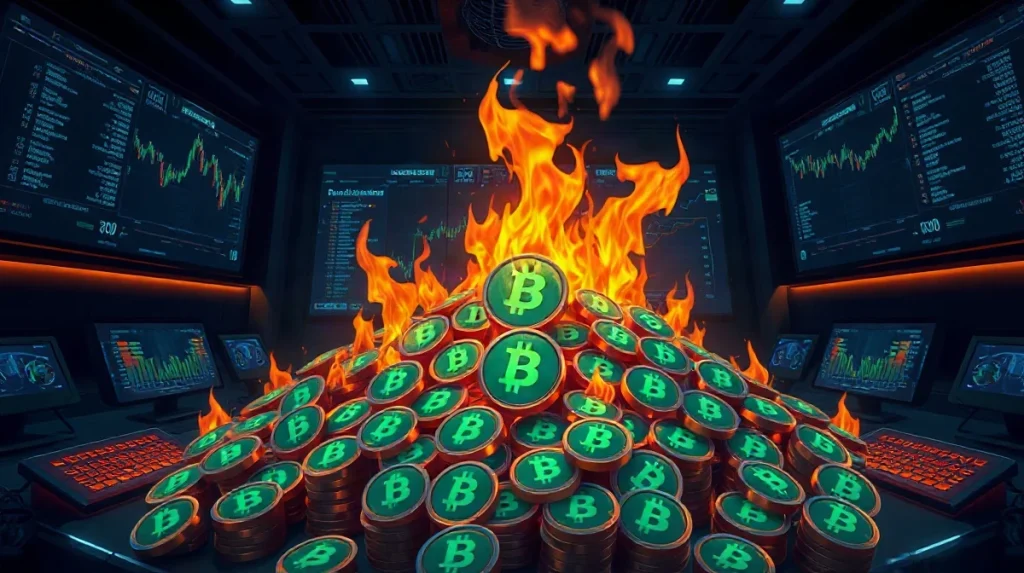
Rain Protocol has completed the final on-chain step of its first DAO-approved settlement, permanently burning 7,419,354,838 $RAIN tokens. The burn, executed after the close of the Credit Refund settlement claim window, removes approximately 1.035% of the token’s circulating supply and locks in the outcome of a governance process that put a $23 million decision in the hands of the protocol’s community.
The tokens destroyed were valued at roughly $108 million at the time of the burn, reducing the circulating supply to 709,173,225,165 $RAIN. The transaction is publicly verifiable on-chain, providing an independent record that the community’s decision was carried out exactly as approved.
 Also readCAKE Price Approaches $1.60 as PancakeSwap Burns 556K Tokens—Breakout or Rejection?
A Settlement Born From Coordinated Claim Activity
The settlement traces back to an internal review by the Rain Foundation, which identified coordinated activity by participants using multiple wallets to bypass the Credit Refund program’s $5,000-per-user allocation cap. According to the Foundation, this activity inflated the number of tokens eligible for claims and created artificial selling pressure on the secondary market.
Rather than resolving the matter unilaterally, Rain Protocol put the proposed settlement to its token holders through the protocol’s first DAO vote. The Foundation, along with team-controlled wallets and team vesting allocations, abstained from the vote, leaving the decision entirely to the community. Token holders approved the $23 million settlement, which offered eligible participants a fixed-price exit at $0.0031 per $RAIN, on the condition that every token purchased through the process would be permanently removed from circulation.
 Also readChainlink Price Rally Accelerates: Can LINK Bulls Flip $12 Into Support?
The Credit Refund program was designed to address locked allocations stemming from earlier protocol activity. By committing USDT to buy out those positions, the Foundation provided liquidity and a clear path forward for participants who held tokens with restricted transferability.
Why the Burn Matters for Decentralized Governance
The completion of this settlement carries significance beyond the token economics. For many protocols, governance votes are treated as binding only until the outcome becomes inconvenient. Rain Protocol’s execution of the burn — an irreversible transaction — demonstrates a willingness to follow through on community decisions even when substantial capital is at stake.
Roy Shaham, CEO of Rain Protocol, framed the burn as a transparency milestone. “The community made the decision, the Foundation committed the capital, and this burn completes that decision transparently on-chain for anyone to verify,” he said. “That is the standard decentralized governance should be held as Rain moves into V2.”
The on-chain nature of the burn means no one has to take the Foundation’s word that the settlement was executed. Any observer can independently confirm that the 7.4 billion $RAIN have been sent to an unspendable address, creating a permanent record of how the community’s vote translated into action.
Market Response and What Comes Next
Since the settlement was approved, $RAIN has risen approximately 20%, drawing increased market attention to the protocol. The supply reduction, combined with the resolution of the Credit Refund overhang, appears to have shifted sentiment around the token.
The burn also sets a precedent for how Rain Protocol handles governance disputes going forward. The reference to V2 suggests the team is already looking ahead to the next phase of the protocol, with this settlement serving as a case study in community-directed resolution.
For the broader crypto sector, the episode illustrates a practical distinction between protocols that hold votes and protocols that honor them. Almost any project can put a proposal to its community. The harder test comes when real money is on the line and no outcome can fully satisfy every participant. How projects handle those moments will increasingly determine whether community governance carries real authority — or exists only in theory.
This article is for informational purposes only and does not constitute financial advice. Cryptocurrency markets are highly volatile and speculative. Readers should conduct their own research before making any investment decisions.
Source: Coinpedia