Beyond Speculation: How Cryptocurrency Is Quietly Reshaping Digital Payments
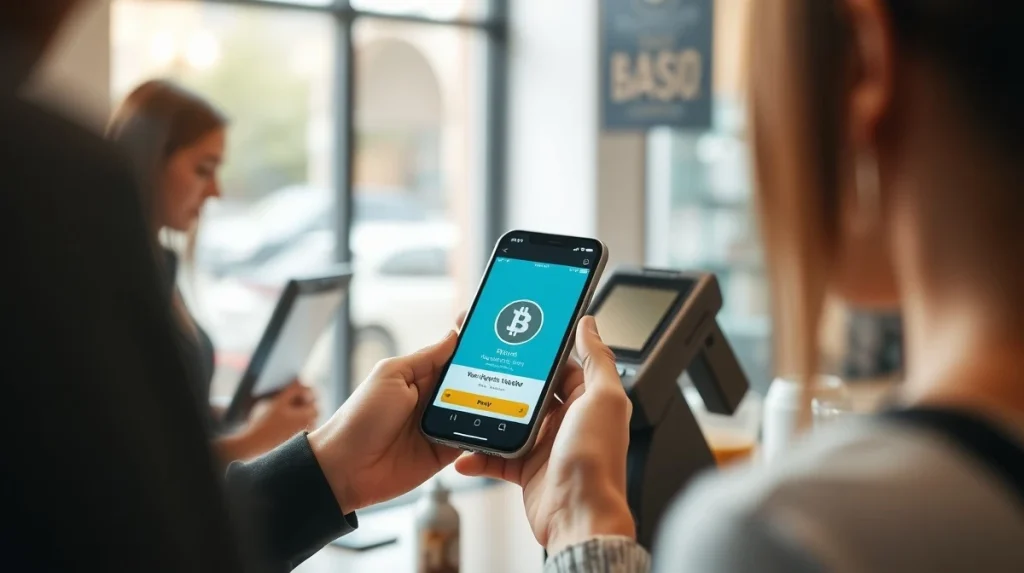
For years, the public conversation around cryptocurrency has centered on price speculation — Bitcoin hitting new highs, Ethereum powering NFT mania, and the occasional exchange collapse. But beneath the headlines, a quieter shift is taking hold: cryptocurrency is increasingly being used for what its earliest proponents always intended — everyday payments.
According to data from CoinMarketCap and blockchain analytics firm Chainalysis, over 15,000 merchants worldwide now accept Bitcoin directly, and stablecoins like USD Coin (USDC) and Tether (USDT) process billions of dollars in daily transaction volume for purposes ranging from cross-border remittances to e-commerce checkouts. The trend marks a departure from the 2017-era narrative that crypto was primarily a speculative asset.
Also read: Wise to Resubmit U.S. Trust Bank Application Under New Stablecoin Law
From Speculation to Utility: The Payment Infrastructure Matures
The shift has been enabled by a new generation of payment processors and financial infrastructure. Companies like BitPay, Coinbase Commerce, and Strike allow merchants to accept crypto payments while automatically converting them into fiat currency, eliminating the price volatility that once made crypto impractical for retail. This “settle in fiat, accept in crypto” model has lowered the barrier for businesses ranging from small coffee shops to multinational corporations.
In 2023, PayPal launched its own stablecoin, PYUSD, built on the Ethereum blockchain, signaling that even legacy financial firms see a future for crypto in payments. Major brands including Microsoft, AT&T, and Overstock have accepted Bitcoin at various points, though adoption has been uneven. More consistently, stablecoins have found a product-market fit in cross-border payments, where traditional wire transfers can take days and cost 5–10% in fees. The World Bank estimates that remittance flows to low- and middle-income countries reached $626 billion in 2022, and stablecoin-based transfers are capturing an increasing share of that market.
Also read: World Foundation Raises $52.5M From Pantera Capital to Scale World ID Identity Network
Why Stablecoins Are Driving Real-World Adoption
Unlike Bitcoin or Ethereum, whose prices can swing 10% in a single day, stablecoins are pegged 1:1 to a fiat currency like the U.S. dollar. That stability makes them viable for transactions where both parties need certainty about the value being exchanged. USDC alone processed over $1.3 trillion in on-chain transaction volume in 2023, according to the Centre Consortium, much of it from payments and settlements rather than trading.
In emerging economies with volatile local currencies — such as Argentina, Turkey, and Nigeria — stablecoins have become a practical tool for preserving purchasing power and conducting everyday transactions. A 2024 survey by the crypto exchange KuCoin found that over 40% of respondents in those countries had used stablecoins for payments or savings in the past year.
Regulatory Clarity and Remaining Barriers
The expansion of crypto payments has been uneven, largely due to regulatory fragmentation. The European Union’s Markets in Crypto-Assets (MiCA) regulation, which came into full effect in 2024, provides a clear legal framework for crypto payments across 27 member states. In the United States, the regulatory market remains patchwork, with the SEC and CFTC still debating jurisdiction, though stablecoin-specific legislation has advanced in Congress.
High transaction fees on the Ethereum network have also been a barrier for small-value payments, though layer-2 solutions like the Lightning Network for Bitcoin and Arbitrum for Ethereum have reduced costs to fractions of a cent. Visa and Mastercard have both launched pilot programs to settle transactions using USDC on the Ethereum blockchain, signaling that the traditional payments industry is preparing for a hybrid future.
The shift from speculation to utility is still in its early stages. Crypto payments represent less than 1% of global transaction volume, but the infrastructure, regulatory progress, and consumer behavior are aligning in ways that were not present five years ago. For readers, the takeaway is straightforward: the technology that began as a niche experiment in digital cash is quietly becoming a functional part of the global payments system.