In this article4 sections
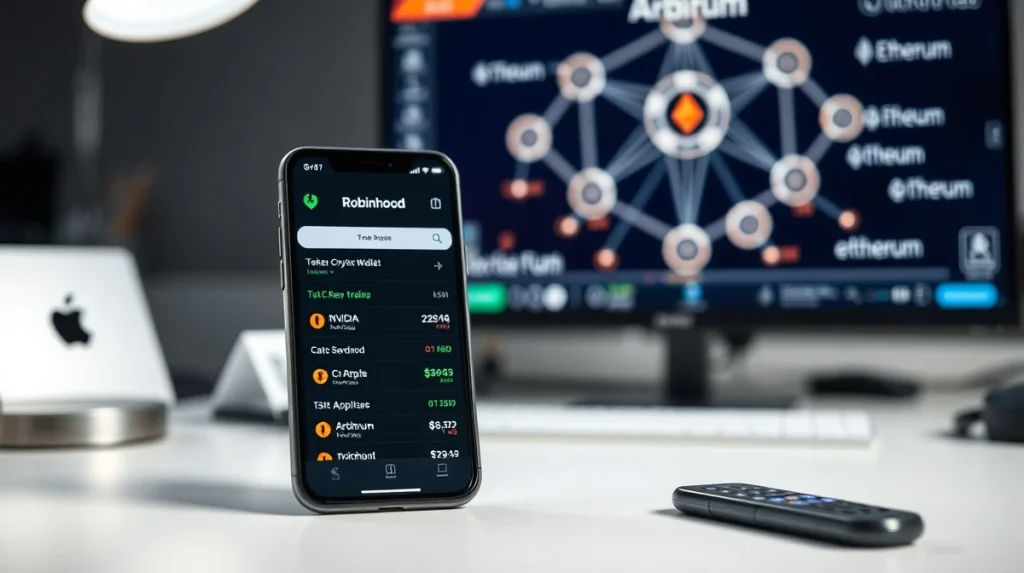
Robinhood Chain launched in July 2026 as an Ethereum Layer 2 built on Arbitrum technology, promising tokenized real-world assets including Stock Tokens for companies like NVIDIA, Apple, and Google. But early data and documentation from the network reveal a critical distinction for users: holding a Stock Token is not the same as owning a share.
How Robinhood Chain Works Under the Hood
Robinhood Chain is an Ethereum Layer 2 scaling solution using Arbitrum’s technology stack, according to a guide cited by Wu Blockchain. The network supports EVM-compatible tools, uses ETH for gas fees, and allows users to bridge assets from Ethereum mainnet. This technical foundation gives developers a familiar environment for building decentralized applications.
 Also readEthena's USDe Crosses $320M on Robinhood Chain, Now 42% of Stablecoin Supply
Arbitrum Developers posted on July 23, 2026, that Robinhood Chain is “the infrastructure for tokenized real-world assets, including Stock Tokens tied NVIDIA, Google, Apple, and many more.” The post highlighted opportunities for building trading applications, portfolio tools, and lending markets backed by equity.
The network’s Stock Tokens use standard ERC-20 formats with on-chain price feeds that track the underlying company’s stock price. This structure allows developers to build tokenized indexes, yield products, and derivatives platforms. However, the guide makes clear that these tokens represent economic exposure only, not direct equity ownership.
 Also readRobinhood to Let AI Agents Trade Crypto for US Users
What the Early Activity Numbers Actually Show
A Bernstein report cited by Wu Blockchain placed Robinhood Chain’s seven-day DEX volume near $3.1 billion. The network also held approximately $300 million in stablecoins and just $13 million in Stock Tokens. Wu Blockchain noted that much of the early DEX activity came from memecoin trading, with RWA applications still at an early stage.
The $13 million figure for Stock Tokens is modest compared to the overall volume and stablecoin holdings, suggesting that the tokenized equity market on Robinhood Chain is still in its infancy. Users are trading more memecoins than stock tokens in the early days.
Risks Users Should Know Before Trading Stock Tokens
The guide published alongside Robinhood Chain’s launch named several categories of risk for users. These include regulatory treatment, liquidity depth, bridge design security, smart contract vulnerabilities, infrastructure centralization, and self-custody responsibilities. Each risk can affect access to funds, pricing accuracy, or the ability to trade during market stress.
The regulatory question is particularly important. Stock Tokens sit at the intersection of securities law and cryptocurrency regulation. How regulators in the United States, European Union, and other jurisdictions classify these instruments will determine whether they can be traded freely, what disclosures are required, and whether platforms need additional licenses.
For users comparing Stock Tokens with traditional brokerage accounts, the absence of shareholder rights is a meaningful difference. Holders cannot vote on corporate matters, receive dividends directly, or make claims on company assets in bankruptcy proceedings. The tokens are blockchain-based derivatives of stock prices, not the stocks themselves.
What to Watch Next
The next test for Robinhood Chain is whether Stock Tokens gain steady real-world usage beyond the initial launch hype. Developers may build more products around equity exposure combined with DeFi lending, automated trading, and portfolio management. Users will likely focus on ownership terms, market depth, and platform safeguards before committing significant capital.
The network’s reliance on Arbitrum technology gives it a solid technical foundation, but adoption ultimately depends on user demand, liquidity, and regulatory clarity. The gap between $3.1 billion in DEX volume and $13 million in Stock Tokens suggests the market is still deciding whether tokenized equities solve a real problem or remain a niche product.
Source: LiveBitcoinNews