In this article5 sections
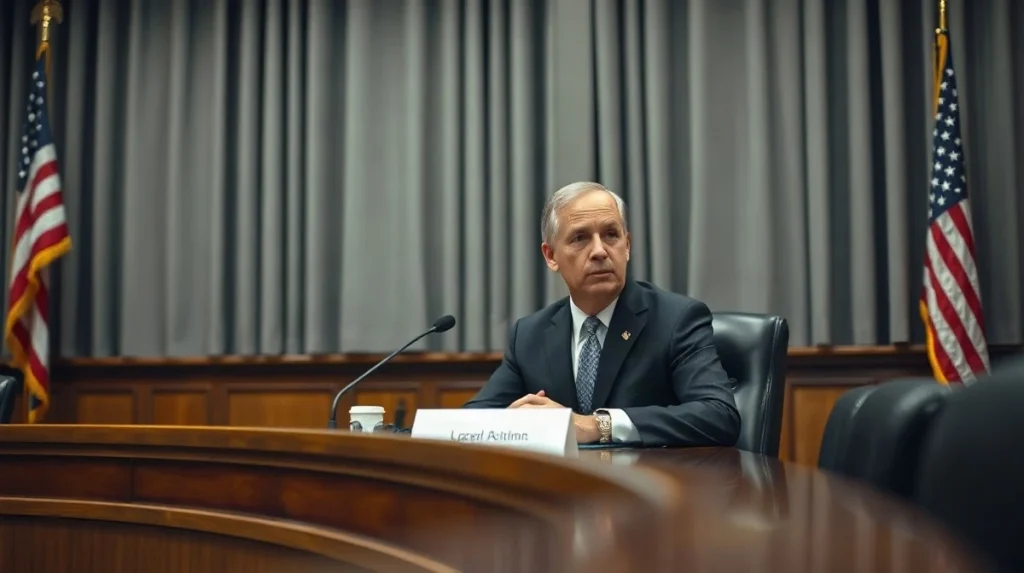
The U.S. Commodity Futures Trading Commission is watching prediction markets for signs of manipulation as the 2026 midterm elections approach, Chairman Michael Selig said in an interview with Bloomberg on Oct. 23, according to Crypto.news. The remarks cover a market that already holds hundreds of millions of dollars in open positions.
Crypto.news reported that the accessible summary of the interview described election-market surveillance alongside an investigation into oil trading during the Iran war, but identified no new election-related enforcement case against Kalshi or Polymarket.
 Also readCFTC Launches Innovation Committee With Crypto, AI, and Prediction Markets on Agenda
Key facts
- Dune’s Oct. 20 research put combined midterm open interest on Kalshi and Polymarket at $250 million as of Oct. 18, with $210 million on Kalshi and $40 million on Polymarket.
- Kalshi accounted for 84% of that open interest, and the two platforms recorded $59 million in combined notional trading in the seven days through Oct. 18.
- The CFTC’s Aug. 28 settlement with former White House teleprompter operator Gabriel Perez ordered him to return $107,539.02 in trading profits and pay a $65,000 civil penalty, plus a three-year trading ban.
- A July 31 settlement with former Rep. George Santos required $17,569.98 in disgorged profits, a $17,500 civil penalty and a three-year trading ban.
- In the Iowa races, President Donald Trump endorsed Ashley Hinson for U.S. Senate and Zach Lahn for governor, Cryptobriefing reported, amid signs that Republicans are defending unexpectedly competitive contests there.
Dune data shows scale and concentration
Dune’s snapshot, dated Oct. 20 and describing activity through Oct. 18, counted $353 million in notional volume on Kalshi over the election cycle and $160 million on Polymarket. Cash volume was $147 million and $77 million respectively, figures the research kept separate from notional trading and outstanding positions.
The same analysis found 24,930 Polymarket wallets holding midterm positions, with a median position of $14, and the top 100 wallets accounting for 56% of position value. Crypto.news noted that wallet counts do not establish the number of individual people trading, and that the snapshot does not show large or concentrated positions resulted from manipulation.
 Also readKalshi Faces Wash-Trading Questions Over Reported Crypto Volume
Enforcement record and mention-contract rules
The CFTC’s recent settlements show how it has handled trading on information tied to individuals. In the Perez case, the agency found he used advance access to presidential speeches to trade contracts on words or phrases the president would say between December 2025 and February 2026, breaching a duty of trust and confidence. The CFTC said his cooperation earned a substantial penalty discount and credited KalshiEX with assisting the investigation. In the Santos matter, the agency found he traded on whether he would attend the 2026 State of the Union address while making material misrepresentations and omissions on social media about his plans.
On Sept. 22, CFTC staff issued an advisory on contracts tied to a named person’s words, attendance, appearances or interactions, saying settlement based on personal conduct can raise manipulation risks. The guidance reminded designated contract markets of Core Principle 3, which requires listing only contracts not readily susceptible to manipulation, and called for contract-specific analysis in Part 40 submissions. Husch Blackwell attorneys Jeff Le Riche and Kip Randall wrote in an Oct. 2 analysis that the advisory neither banned mention contracts nor created new legal obligations, while describing heightened scrutiny for exchanges listing them.
Why it matters
Election contracts sit at the centre of a jurisdictional fight over who regulates event-based markets. The CFTC has asked the Sixth Circuit to review an Ohio district court’s reading of its authority in KalshiEx LLC v. Matthew T. Schuler, case No. 26-3196, arguing federal rules preempt state law for CFTC-regulated markets. Cryptobriefing, in a separate analysis, framed Trump’s Iowa endorsements as a factor market participants may weigh for Republican turnout, while stressing that polling and turnout data in the coming weeks will show whether the endorsements shift anything. The two reports describe different inputs into the same market: regulatory risk on one side, candidate-level politics on the other.
What to watch
The Sixth Circuit’s handling of the KalshiEx appeal is the clearest legal milestone ahead, and exchanges listing mention contracts face continued scrutiny under the September advisory. On the political side, Iowa polling averages and turnout data will indicate whether the endorsements move the Senate race, per Cryptobriefing.
Sources: crypto.news, Cryptobriefing