Bitcoin and XRP Surge on March 27: What Drove the Rally?
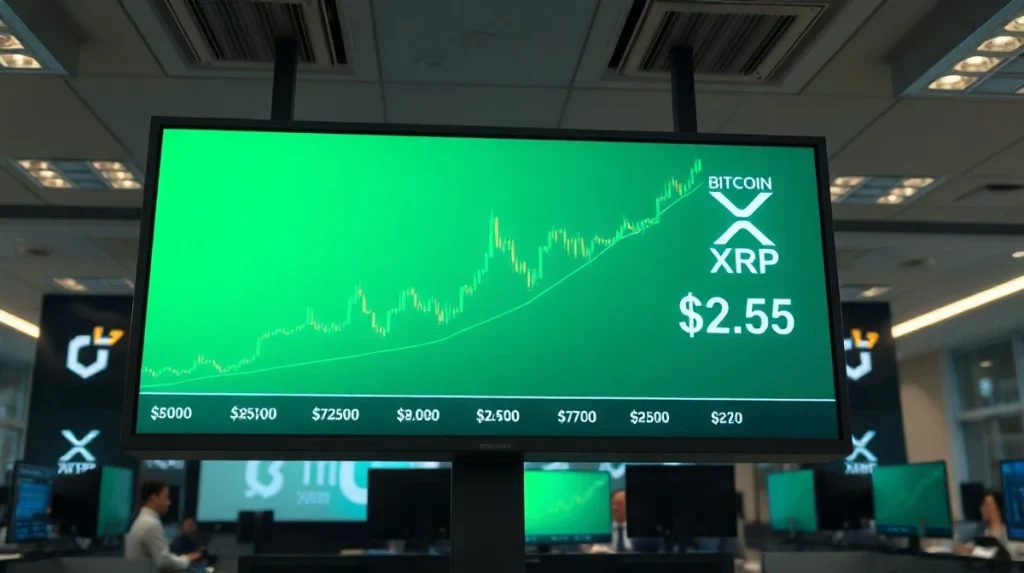
Bitcoin rose above $88,500 on March 27, 2025, gaining approximately 6% in 24 hours, while XRP surged past $2.85, adding nearly 8% during the same period. The coordinated move higher across major cryptocurrencies came as a confluence of easing macroeconomic headwinds, fresh regulatory signals from Washington, and a wave of short covering in futures markets converged to lift sentiment.
The rally followed a softer-than-expected U.S. inflation print released on March 26, which reduced expectations for aggressive Federal Reserve rate hikes in the second quarter. Lower rate expectations typically weaken the U.S. dollar and improve demand for risk assets, including cryptocurrencies. The CME FedWatch Tool showed a 12% increase in the probability of a rate cut by June 2025 following the data release.
Also read: Zcash Co-Founder Eli Ben-Sasson Questions Bitcoin's 21M Cap, Proposes 4% Annual Growth
Regulatory Tailwinds Boost XRP and Broader Market
XRP outperformed most major altcoins after a U.S. Securities and Exchange Commission (SEC) filing on March 26 indicated the agency was reconsidering its classification of certain digital assets as securities in ongoing enforcement cases. While the filing did not name XRP directly, market participants interpreted the shift as a positive signal for tokens previously under regulatory scrutiny, including Ripple Labs’ native asset.
Separately, a bipartisan group of U.S. senators introduced a new digital asset market structure bill on March 25, aiming to provide clearer guidelines for token classification and exchange registration. The bill, which has been referred to the Senate Banking Committee, has drawn cautious optimism from industry lobbyists who say it could reduce the legal uncertainty that has weighed on prices since 2023.
Also read: Binance DOJ Report Raises New Questions About Crypto Enforcement
Liquidations and Short Squeeze Amplify Moves
Data from Coinglass showed that roughly $420 million in leveraged positions were liquidated across centralized exchanges in the 24 hours ending March 27, with short sellers accounting for 68% of total liquidations. The concentration of forced buybacks in Bitcoin and XRP futures contributed to the sharpness of the rally, as traders who had bet against the market were compelled to cover positions at rising prices.
Open interest in Bitcoin futures on the Chicago Mercantile Exchange (CME) also climbed to a three-week high of $12.8 billion, signaling renewed institutional participation. Analysts at the crypto data firm Kaiko noted in a research note that the combination of declining volatility in recent weeks and a sudden upward breakout often triggers algorithmic trading strategies that amplify directional moves.
On-Chain Metrics Show Accumulation
On-chain data from Glassnode indicated that wallets holding between 100 and 1,000 Bitcoin added roughly 15,000 BTC to their balances over the past week, a pattern historically associated with accumulation by medium-sized investors. The metric, which excludes exchange and miner wallets, suggests that the rally is being supported by genuine buying rather than speculative use alone.
For XRP, the number of active addresses on the XRP Ledger rose to a six-month high of 480,000 on March 26, according to Santiment. The increase in network activity coincided with a spike in transaction volume, which exceeded $2.3 billion on the same day, the highest level since November 2024.
Despite the positive price action, some analysts have cautioned that the rally remains vulnerable to profit-taking, particularly if macroeconomic data in the coming weeks reignites inflation concerns. The next major test for Bitcoin will be the $90,000 resistance level, a price point that has triggered sell-offs twice in the past month. For XRP, the $3.00 psychological barrier looms as the next key level to watch.