Bitcoin Price Crashes Below $60,000 After $470 Million Sell Order Hits Binance in One Minute
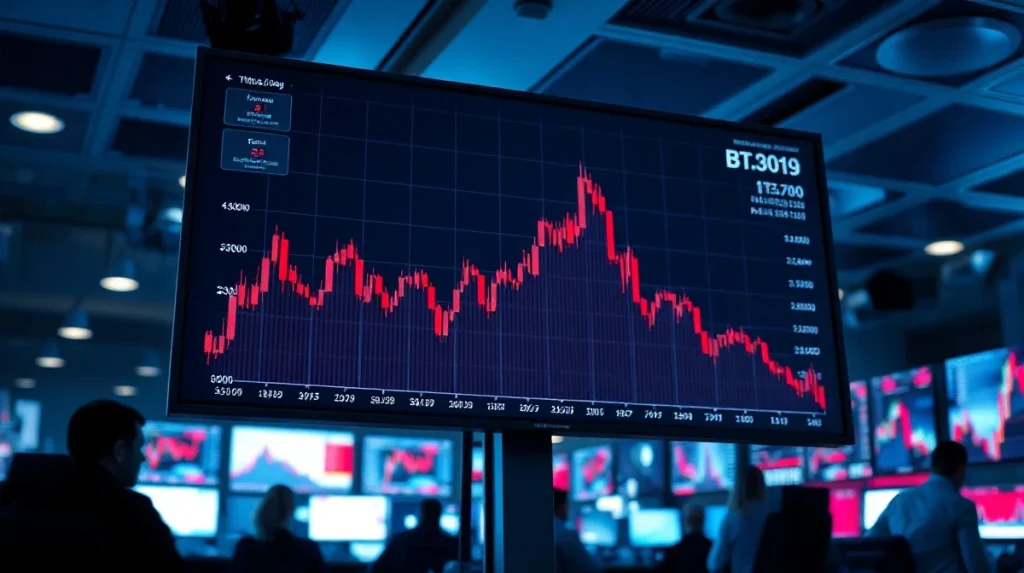
Bitcoin’s price fell below $60,000 on Tuesday after a massive sell order of approximately $470 million hit Binance in under one minute, triggering a flash crash that cascaded through the broader cryptocurrency market.
Data from trading analytics platform Coinalyze confirmed the sudden sell pressure, showing a sharp spike in sell volume on Binance’s BTC/USDT pair at 14:32 UTC. The order book absorbed the impact within minutes, but not before Bitcoin dropped from approximately $63,200 to a low of $59,800, a decline of more than 4%.
Also read: Bitcoin, Ethereum, XRP Prices Pause as Treasury's 'Operation Economic Outcast' Targets Iran
Liquidations Accelerate Across Exchanges
The rapid price movement triggered a wave of forced liquidations. According to Coinglass data, over $650 million in leveraged long positions were wiped out across all exchanges in the hour following the crash, with Binance accounting for the largest share.
Ethereum, Solana, and other major altcoins followed Bitcoin’s decline, losing between 3% and 6% as the selling pressure spread. The sell-off appeared to be driven by a single large entity — often referred to as a whale — rather than coordinated market manipulation, though investigations are ongoing.
Also read: Bitcoin's Path to $100K: Ex-Coinbase Analyst Sees Six-Figure BTC by Year-End
Order Book Imbalance and Market Depth
The incident highlights persistent liquidity concerns on centralized exchanges. Order book depth on Binance’s BTC/USDT pair showed a gap between $60,000 and $59,500, allowing the price to slip through without significant resistance. Market makers have reduced their inventory in recent months due to regulatory uncertainty, making large orders more impactful.
Analysts at Reuters noted that flash crashes are becoming more frequent in crypto markets, where thin order books and high use amplify price swings. The last comparable event occurred in March 2024, when a $300 million sell order briefly pushed Bitcoin below $55,000.
Recovery and Market Sentiment
Bitcoin has since recovered to trade near $61,500 as of press time, recouping roughly half of its losses. The recovery suggests that the sell order was absorbed by opportunistic buyers, but traders remain cautious. Open interest in Bitcoin futures dropped by 8% in the aftermath, indicating that many leveraged positions were closed or liquidated.
The broader market sentiment has shifted to neutral, according to the Crypto Fear & Greed Index, which fell from 62 (greed) to 48 (neutral) within hours. This suggests that the crash has shaken short-term confidence, though long-term holders have not yet shown signs of panic selling.
What This Means for Traders
The event serves as a reminder of the risks inherent in leveraged trading on centralized exchanges. Traders using high use — common in crypto futures markets — are particularly vulnerable to sudden price dislocations. Setting wider stop-losses and monitoring order book depth can help mitigate risk during periods of low liquidity.
Regulators in the European Union and United States have increasingly focused on exchange transparency and market manipulation. The incident may accelerate calls for circuit breakers or position limits on large orders, similar to those used in traditional equity markets.
Frequently Asked Questions
What caused Bitcoin’s price to drop below $60,000?
A large sell order of approximately $470 million was placed on Binance in under one minute, overwhelming order book liquidity and causing a rapid price decline.
How much did Bitcoin drop during the flash crash?
Bitcoin fell from around $63,000 to below $60,000 before partially recovering, representing a decline of over 4% in minutes.
Was this a coordinated attack or a single large trade?
Data from trading platforms indicates the sell pressure came from a single large order or a series of rapid large orders, consistent with a whale or institutional liquidation.
Did other cryptocurrencies also fall?
Yes, the broader crypto market experienced a sell-off, with Ethereum and major altcoins also declining by 3-6% as liquidations cascaded across exchanges.
Should investors be worried about further drops?
Flash crashes are often followed by partial recoveries, but volatility remains high. Investors should monitor order book depth and avoid high use during such events.