Bitcoin Price Under Pressure as Hot CPI Data at 3.8% Dims Fed Rate Cut Hopes
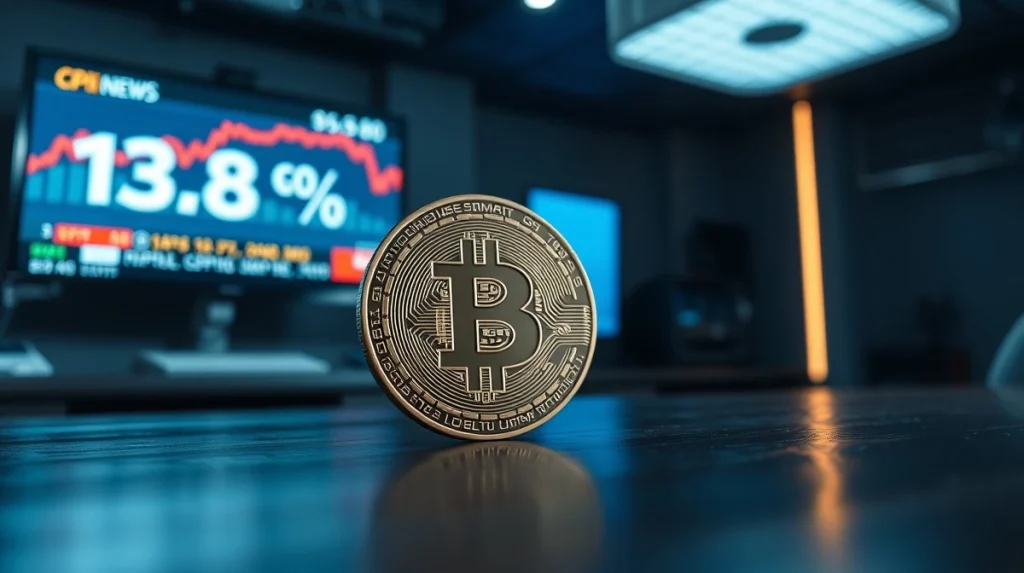
The latest U.S. Consumer Price Index (CPI) report, released Wednesday morning, showed inflation running hotter than expected at an annual rate of 3.8%, up from 3.5% in the previous reading. The data has sent a ripple of concern through financial markets, particularly among cryptocurrency investors who had been betting on a more accommodative Federal Reserve in the coming months.
Market Reaction and Bitcoin Price Movement
Bitcoin, which had been trading near $68,000 earlier this week, slipped to around $65,800 in the hours following the CPI release. The move reflects a broader shift in risk sentiment as traders reassess the likelihood of interest rate cuts in 2026. According to CME Group’s FedWatch tool, the probability of a rate cut at the next Federal Open Market Committee (FOMC) meeting dropped to 32%, down from 48% just a week ago.
Also read: XRP ETF Gains Institutional Backing From Virginia and Florida Investment Advisors
The CPI report showed core inflation, which excludes volatile food and energy prices, rising 3.6% year-over-year, also above the 3.4% consensus estimate. This persistent price pressure suggests that the Fed’s battle against inflation is far from over, leaving little room for policy easing in the near term.
Why This Matters for Bitcoin and Crypto Markets
Bitcoin has historically been sensitive to shifts in monetary policy expectations. Lower interest rates tend to weaken the U.S. dollar and increase the appeal of alternative assets like cryptocurrencies. Conversely, a hawkish Fed stance—signaled by keeping rates higher for longer—often leads to capital outflows from riskier assets.
Also read: BlackRock’s BUIDL Fund Doubles on Avalanche, Surpasses $900M in AUM
The current data suggests that the Fed may hold its benchmark rate steady at 5.25% to 5.50% through at least the third quarter of 2026. For Bitcoin traders, this means the liquidity-driven rally that many had anticipated may be delayed or diminished.
Investor Sentiment and Technical Outlook
Despite the immediate sell-off, some analysts point out that Bitcoin has shown resilience compared to previous inflation scares. The asset remains up approximately 12% year-to-date, supported by institutional adoption and the continued inflows into spot Bitcoin exchange-traded funds (ETFs). However, the $65,000 level is now being watched closely as a key support zone. A sustained break below this level could open the door to a retest of $60,000.
On-chain data from Glassnode indicates that long-term holders have not significantly reduced their positions, suggesting that the selling pressure is primarily from short-term speculators. This could provide a floor for prices if the macroeconomic outlook stabilizes.
Conclusion
The hotter-than-expected CPI reading at 3.8% presents a clear headwind for Bitcoin’s near-term rally. While the broader trend of institutional adoption remains intact, the fading prospects of a Fed rate cut in the first half of 2026 may keep prices range-bound. Investors should monitor upcoming economic data, including the Producer Price Index (PPI) and retail sales figures, for further clues on the Fed’s next move.
FAQs
Q1: How does CPI data affect Bitcoin price?
Higher CPI indicates persistent inflation, which reduces the likelihood of Federal Reserve interest rate cuts. Since Bitcoin is sensitive to liquidity conditions and risk appetite, a hawkish Fed stance often leads to short-term price declines.
Q2: What is the current Bitcoin price after the CPI release?
Bitcoin traded near $65,800 following the CPI release, down from approximately $68,000 earlier in the week. Prices remain volatile and may continue to fluctuate as markets digest the data.
Q3: Will the Fed cut rates in 2026?
The probability of a rate cut has decreased significantly after the latest CPI report. As of now, markets see a 32% chance of a cut at the next FOMC meeting, with many analysts pushing expectations to late 2026 or early 2027.