Bitcoin Long-Term Holders Hit Record Cost Basis Near $81,000
Bitcoin’s long-term holders have reached a new milestone, with their aggregate cost basis climbing to approximately $81,000. This on-chain metric, tracked by leading analytics platforms, reflects the average price at which investors who have held their coins for over 155 days originally acquired them. The data signals a growing conviction among this cohort, even as the broader market experiences periods of volatility.
Understanding the Long-Term Holder Cost Basis
The realized price for long-term holders is a key indicator of market sentiment. It represents the aggregate purchase price of all coins held by this group, weighted by the price at which each coin last moved. A rising cost basis suggests that newer capital entering the hands of committed investors is being deployed at higher price levels. This trend often correlates with a maturation of the market cycle, as early adopters and seasoned traders accumulate during dips and hold through uncertainty.
Also read: NIGHT Price Stays Under Pressure Despite Midnight’s Token Terminal Partnership
According to on-chain data from Glassnode and other sources, the long-term holder cost basis has been steadily increasing since late 2023, accelerating through 2024 and into early 2025. The latest reading near $81,000 represents an all-time high for this metric, surpassing previous records set during the 2021 bull run. This indicates that the average entry point for patient investors has shifted significantly higher, reflecting both the asset’s price appreciation and the influx of new, long-term-oriented capital.
Implications for Market Dynamics
A rising cost basis among long-term holders can have several implications. First, it establishes a psychological support level. Historically, the market has tended to respect the realized price of this cohort, with drawdowns often halting near or slightly above this level during bull markets. Second, it suggests that a large portion of the circulating supply is held by investors with a high conviction and a low propensity to sell at a loss, which can reduce sell-side pressure during corrections.
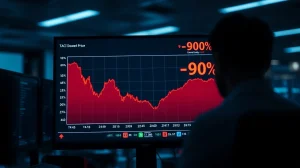
Also read: Telegram-Linked TAC Token Crashes 90% in 15 Minutes: What Happened?
However, analysts caution that this metric is not a guarantee of price support. If the market enters a prolonged downturn, long-term holders may still decide to liquidate positions, particularly if external macroeconomic conditions deteriorate. The current level near $81,000 also means that any significant price decline below this threshold could trigger a psychological shift, as a large number of previously profitable holders would suddenly be holding underwater positions.
What This Means for Investors
For market participants, the rising cost basis reinforces the narrative of Bitcoin as a store of value that attracts patient capital. It also provides a useful reference point for assessing market health. When the spot price trades well above the long-term holder cost basis, it typically indicates strong bullish sentiment and unrealized profits. Conversely, when the price approaches or falls below this level, it may signal a potential buying opportunity for those who align with the long-term thesis.
The data also highlights a growing divergence between short-term speculators and long-term believers. While short-term holders often react to news and price swings, the long-term cohort continues to accumulate at higher levels, suggesting a structural shift in market composition toward more mature investors.
Conclusion
The record cost basis of Bitcoin long-term holders near $81,000 underscores the deepening conviction among committed investors. While not a predictive tool in isolation, this on-chain metric offers valuable insight into market psychology and supply dynamics. As always, investors should consider multiple data points and their own risk tolerance before making decisions.
FAQs
Q1: What does ‘long-term holder cost basis’ mean?
It is the average price at which investors who have held Bitcoin for more than 155 days originally purchased their coins. It is calculated using on-chain data that tracks the last transaction price of each UTXO (unspent transaction output) held by this group.
Q2: Why is the long-term holder cost basis important?
It serves as a psychological support level and an indicator of market conviction. A rising cost basis suggests that committed investors are accumulating at higher prices, which can signal confidence in the asset’s long-term value.
Q3: Can the price fall below the long-term holder cost basis?
Yes. While it has historically acted as a support level during bull markets, it is not a guaranteed floor. During bear markets or severe corrections, the price can trade below this level, potentially leading to increased selling pressure from long-term holders.