Expert: High Inflation and Midterm Elections Could Weigh on Bitcoin and XRP Prices

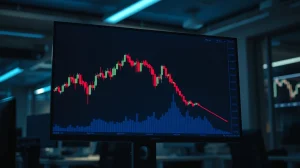
As the United States grapples with persistent inflationary pressures and approaches a key midterm election cycle, one market expert is cautioning that Bitcoin, Ethereum, and XRP could face significant headwinds in the coming months. The convergence of macroeconomic uncertainty and political risk is creating a complex environment for digital assets, which have historically shown sensitivity to broader financial market sentiment.
Inflation Remains a Stubborn Force
The U.S. Consumer Price Index (CPI) has remained above the Federal Reserve’s 2% target for an extended period, despite aggressive interest rate hikes. This persistent inflation is eroding consumer purchasing power and tightening financial conditions. For risk-on assets like cryptocurrencies, a high-inflation environment often leads to reduced liquidity and a flight to safer investments. The expert notes that Bitcoin, often touted as a hedge against inflation, has so far failed to decouple from traditional risk assets like tech stocks, making it vulnerable to the same macroeconomic pressures.
Also read: NIGHT Price Stays Under Pressure Despite Midnight’s Token Terminal Partnership
Midterm Elections Add Political Uncertainty
The upcoming midterm elections introduce a layer of political unpredictability that markets generally dislike. Potential shifts in the balance of power in Congress could lead to changes in fiscal policy, regulatory priorities, and government spending. For the crypto industry, which is already working through a complex regulatory environment in Washington, the election outcome could determine the pace and direction of future legislation. The expert suggests that this uncertainty could prompt institutional investors to reduce their exposure to volatile assets like Bitcoin and XRP until a clearer policy direction emerges.
What This Means for Crypto Investors
For retail and institutional investors alike, the combination of high inflation and political uncertainty suggests a potentially rocky period ahead. The expert advises that short-term price movements could be volatile, with a bias toward the downside. However, the long-term fundamentals of blockchain technology and digital asset adoption remain intact. The key takeaway for readers is to be prepared for potential drawdowns and to focus on risk management rather than speculative trading during this uncertain period.
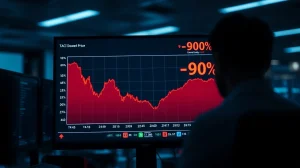
Also read: Telegram-Linked TAC Token Crashes 90% in 15 Minutes: What Happened?
Conclusion
While the crypto market has shown resilience in the past, the current macroeconomic and political climate presents unique challenges. High inflation continues to tighten financial conditions, and the midterm elections add a layer of policy risk. Investors should monitor these factors closely and adjust their strategies accordingly, recognizing that short-term price weakness does not necessarily negate the long-term potential of digital assets.
FAQs
Q1: How does high inflation typically affect Bitcoin prices?
High inflation often leads to tighter monetary policy, which reduces liquidity in financial markets. This can pressure risk assets like Bitcoin, as investors move toward safer havens like cash or government bonds.
Q2: Why do midterm elections matter for crypto markets?
Midterm elections can shift the balance of power in Congress, potentially altering the regulatory environment for cryptocurrencies. Uncertainty around future policy often leads to reduced risk appetite among investors.
Q3: Is this a good time to buy Bitcoin or XRP?
Market timing is inherently uncertain. The expert’s analysis suggests potential short-term downside, but long-term investors may view price dips as accumulation opportunities. Individual risk tolerance and investment horizon should guide any decision.