TON Blockchain Fee Cut: Pavel Durov Confirms 6x Reduction, Feeless Transactions Next
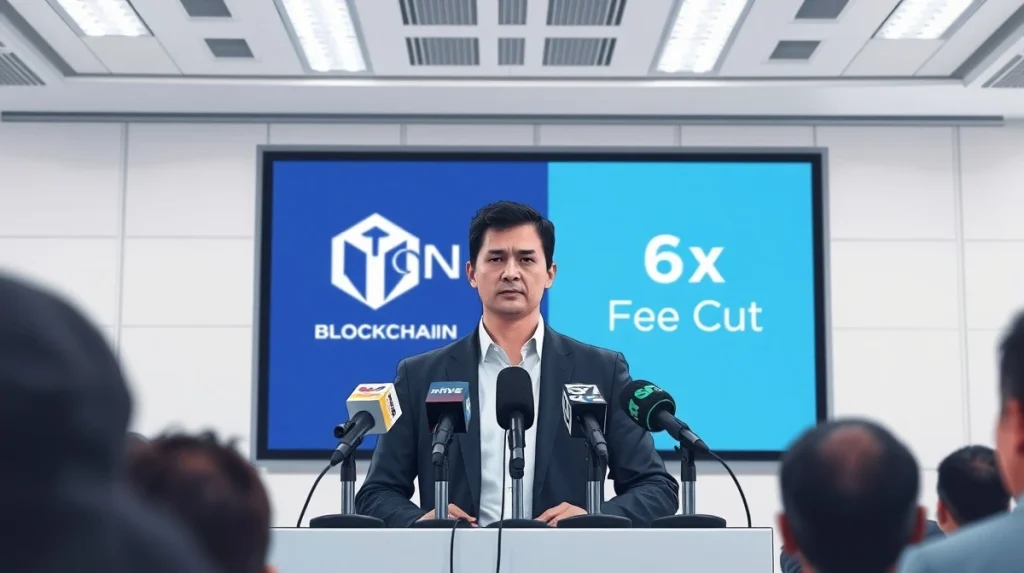
Pavel Durov confirmed a major TON Blockchain fee cut on April 23, 2026. The founder of Telegram announced a 6x reduction in transaction costs. He also revealed plans for completely feeless transactions in the future. This move aims to boost adoption of the TON network.
TON Blockchain Fee Cut Details
Durov shared the news on his Telegram channel. He stated that fees on the TON Blockchain would drop by six times immediately. The change applies to all transactions on the network. This includes transfers, smart contract calls, and token operations. The reduction targets high fees that have limited user growth. Data from TON explorer shows average fees were around $0.15 per transaction. The cut brings them down to roughly $0.025. Industry watchers note this could make TON more competitive with other blockchains. Solana and BNB Chain charge similar low fees. The implication is a stronger push for mass adoption.
Also read: Worldcoin Sell-Off Intensifies, Yet Bullish Structure Holds — WLD Price at a Crossroads
Feeless Transactions on the Horizon
Durov also outlined a roadmap for feeless transactions. He said the TON team is working on a technical solution. This would eliminate all transaction costs for end users. But the system might still charge validators in the background. The timeline for this feature remains unclear. Durov did not provide a specific date. He only said it would come “next.” This suggests a phased rollout. The first phase is the fee cut. The second phase will be feeless operations. What this means for users is lower barriers to entry. Small transactions become economically viable. Micropayments for content or services could flourish.
Technical Implementation Challenges
Making transactions completely free poses technical hurdles. Validators need incentives to process blocks. Without fees, the network must find other rewards. TON might use inflation-based rewards or a fee subsidy model. Other blockchains have tried feeless models before. EOS used a resource-based model but faced scalability issues. TON’s approach could differ. The team might introduce a sponsorship mechanism. Users could delegate fee payments to dApp developers. This mirrors EIP-4337 on Ethereum. But TON’s architecture is unique. It uses a sharded blockchain with dynamic sharding. The fee cut and feeless plan must align with this design.
Also read: MoneyGram Joins Solana as Validator, Adopts SDP's One-API for Stablecoin Issuance
Impact on TON Ecosystem
The TON Blockchain fee cut is expected to spur activity. Lower fees attract more users and developers. The network has seen growth in decentralized finance (DeFi) and gaming. Projects like Tonstakers and STON.fi rely on low transaction costs. A 6x reduction makes these platforms more attractive. It also helps Telegram-integrated bots and mini-apps. These services process millions of microtransactions daily. High fees previously ate into user profits. Now, the economics improve significantly. The feeless plan could unlock new use cases. Think of in-game purchases or tipping systems. They become frictionless without cost barriers.
Comparison with Other Blockchains
TON now competes directly with low-fee chains. Solana charges about $0.00025 per transaction. BNB Chain averages $0.10. Polygon costs $0.01. TON’s new fee of $0.025 sits in the middle. But the feeless plan could push it to the top. No major blockchain offers completely free transactions yet. Some have tried but failed due to spam attacks. TON must address this risk. Durov mentioned anti-spam measures in his post. He said the team will implement rate limiting and proof-of-work for spam transactions. This could balance free usage with network security.
Market Reaction and Price Impact
The announcement affected Toncoin (TON) price. The token rose 12% in the 24 hours after the news. Trading volume increased by 40%. Analysts see this as a positive signal. But the long-term impact depends on adoption. The fee cut alone might not sustain price growth. The feeless feature could be a stronger catalyst. Investors are watching for further details. The broader crypto market showed mixed reactions. Bitcoin remained flat during the same period. This suggests the move is TON-specific.
Timeline of TON Fee Changes
TON has adjusted fees multiple times. In 2023, the network launched with fees around $0.50. A 2024 upgrade reduced them to $0.15. The current cut brings them to $0.025. The next step is zero fees. Each reduction has correlated with increased transaction volume. Data from TONScan shows daily transactions rose from 1 million to 5 million after the 2024 cut. The new cut could push that to 10 million. The feeless plan might exceed 50 million daily transactions. This would rival Ethereum’s current volume.
Community and Developer Response
The TON community reacted positively. Developers praised the fee cut on social media. Some expressed caution about the feeless plan. They worry about network abuse. Spam could clog the blockchain. Validators might face increased load. But Durov’s team has a track record of solving technical problems. The community trusts the development roadmap. Several dApp projects announced plans to expand on TON. They cited lower fees as a key reason. This suggests the fee cut is working as intended.
Expert Analysis
Industry analysts offered mixed views. Some see the fee cut as necessary for competition. Others argue it could hurt validator revenue. Validators earn fees for processing transactions. A 6x cut reduces their income. But transaction volume might compensate. If volume increases sixfold, validator earnings stay flat. The feeless plan could shift rewards to inflation. This is similar to how Bitcoin and Ethereum work. Validators would earn block rewards instead of fees. The network’s tokenomics might need adjustment. TON’s inflation rate is currently 2% annually. Increasing it could dilute token value. The team must balance incentives carefully.
Broader Implications for Blockchain Industry
The TON Blockchain fee cut sets a new standard. Other networks may follow suit. High fees have been a barrier to blockchain adoption. Ethereum’s gas fees spiked to $50 during peak usage. Layer 2 solutions helped but added complexity. TON’s approach is simpler. It reduces base layer fees directly. This could pressure other layer 1 blockchains to cut costs. Solana already has low fees. Cardano and Avalanche might need to adjust. The feeless plan could be a turning point. But it remains unproven at scale. If successful, it could redefine blockchain economics.
Regulatory Considerations
Lower fees might attract regulatory attention. Regulators in the US and EU are scrutinizing crypto networks. Feeless transactions could complicate tax reporting. Every transaction is a taxable event in many jurisdictions. Zero fees might encourage more frequent trading. This increases the compliance burden for users. But it also makes blockchain more accessible. The TON team has not commented on regulatory implications. They are likely focused on technical development first.
Conclusion
The TON Blockchain fee cut announced by Pavel Durov marks a significant milestone. A 6x reduction lowers costs for users and developers. The promise of feeless transactions adds excitement. But technical and economic challenges remain. The network must prevent spam and maintain validator incentives. If successful, TON could become a leading platform for microtransactions. The crypto community will watch closely as the plan unfolds. This development reinforces TON’s position in the competitive blockchain space.
FAQs
Q1: When did Pavel Durov announce the TON Blockchain fee cut?
A1: Durov announced the 6x fee reduction on April 23, 2026, via his Telegram channel.
Q2: How much are TON transaction fees now?
A2: Fees dropped from approximately $0.15 to $0.025 per transaction, a 6x reduction.
Q3: Will TON transactions become completely free?
A3: Yes, Durov confirmed plans for feeless transactions, but a specific timeline has not been provided.
Q4: How did the market react to the TON fee cut?
A4: Toncoin price rose 12% within 24 hours, and trading volume increased by 40%.
Q5: What are the risks of feeless transactions?
A5: Risks include network spam and reduced validator incentives. The TON team plans anti-spam measures and alternative reward mechanisms.