South Korea’s FSC Proposes Unified Bill to Streamline Stablecoin Regulations
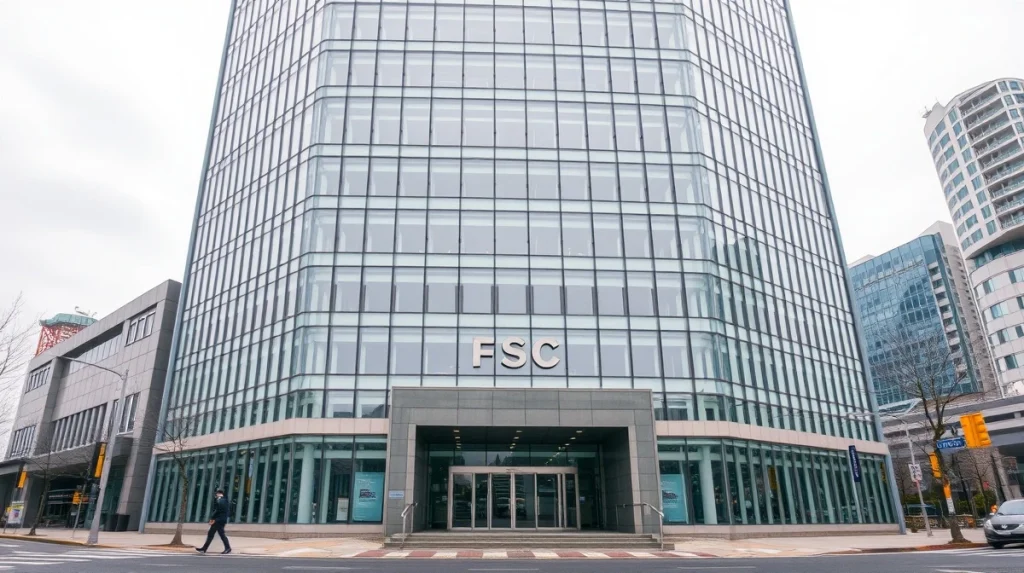
The Financial Services Commission (FSC) of South Korea has introduced a legislative proposal to consolidate all stablecoin-related regulations into a single, unified bill. The move, announced on October 26, 2023, aims to replace the current fragmented regulatory approach with a comprehensive legal framework for stablecoin issuers, reserve asset management, and user protection.
From Fragmented Rules to a Unified Framework
Currently, stablecoins in South Korea fall under various existing laws, including the Electronic Financial Transactions Act and the Capital Markets Act, creating legal gray areas. The FSC’s new bill seeks to establish a dedicated regulatory track specifically for stablecoins, modeled on frameworks like the European Union’s Markets in Crypto-Assets (MiCA) regulation.
Also read: Telegram's .gram Domain Bid Could Reshape Web3 Identity
The proposed legislation would require stablecoin issuers to obtain a license from the FSC, maintain fully-backed reserves in low-risk assets like government bonds or cash, and undergo regular audits. It also mandates clear redemption rights for holders and imposes strict disclosure requirements regarding the composition of reserve assets.
Implications for Exchanges and Investors
For cryptocurrency exchanges operating in South Korea, the unified bill promises greater regulatory clarity. Currently, exchanges must individually assess the legal status of each stablecoin they wish to list, a process that is both time-consuming and legally risky. A clear, single standard would streamline listing procedures and reduce compliance burdens.
Also read: Cuomo Urges Congress to Pass CLARITY Act, Warns U.S. Is 'Way Behind' on Crypto Rules
For investors, the bill aims to strengthen protections. By requiring issuers to hold high-quality reserves and provide transparent reporting, the FSC hopes to prevent incidents like the TerraUSD collapse, which heavily impacted South Korean retail investors. The bill also includes provisions for handling issuer insolvency, prioritizing user claims on reserve assets.
Industry reactions have been cautiously positive. The Korea Blockchain Association, a local industry group, noted that a unified framework could boost institutional participation by reducing legal uncertainty. However, some critics argue the bill’s strict reserve requirements could limit the use of algorithmic or partially-collateralized stablecoins, potentially stifling innovation in the sector.
Timeline and Next Steps
The FSC has submitted the draft bill for legislative review. It will now undergo public consultation and parliamentary debate, a process that could extend into 2024 or beyond. The FSC has indicated it is coordinating with the Bank of Korea and other financial authorities to ensure the bill aligns with broader monetary policy objectives.
South Korea’s move is part of a global trend toward comprehensive stablecoin regulation. The European Union’s MiCA framework, which includes specific stablecoin provisions, is set to take full effect in 2024. Similarly, regulators in the United Kingdom and Japan are advancing their own stablecoin rules. The FSC’s unified bill positions South Korea to remain competitive in the global digital asset market while addressing local investor protection concerns.
Market participants should watch for the outcome of the public consultation period, which will offer the clearest indication of how the final legislation may differ from the current proposal. The FSC has signaled it is open to industry feedback, particularly on the technical details of reserve requirements and licensing criteria.