SK Hynix Becomes Kioxia’s Largest Shareholder With 14.19% Stake
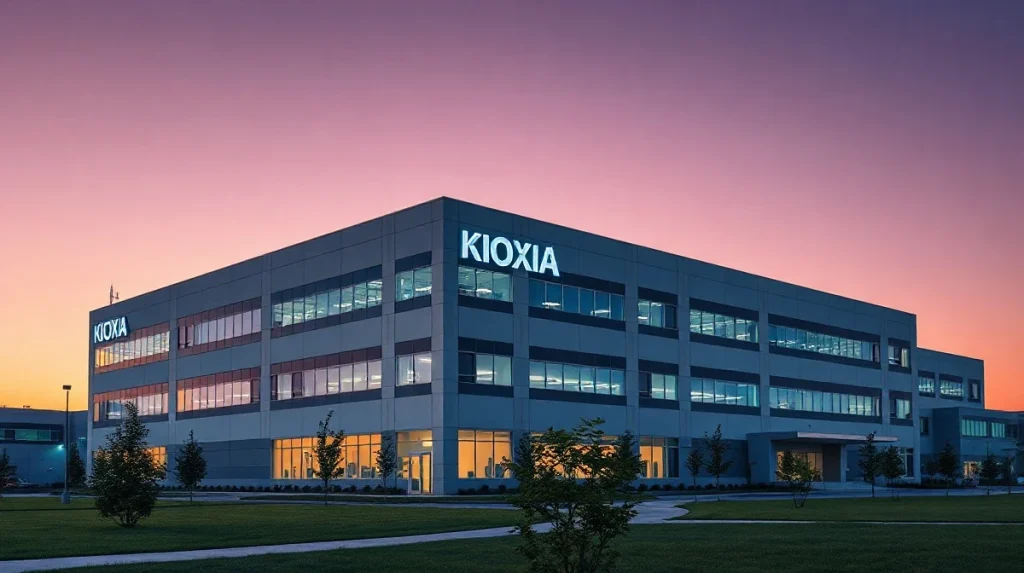
SK Hynix has become the largest shareholder of Japanese memory chipmaker Kioxia, with its investment vehicle SPC2 holding a 14.19% stake. The position dates back to SK Hynix’s 2018 investment of about 4 trillion won through convertible bonds. Toshiba reduced its stake from 15.10% to 14.06% through share sales in July and August, allowing SK Hynix to take the top shareholder position.
Background of the Investment
SK Hynix’s relationship with Kioxia began in 2018 when the South Korean chipmaker invested approximately 4 trillion won (around $3.5 billion at the time) via convertible bonds. These bonds were structured to convert into equity, giving SK Hynix a significant but non-controlling interest. The investment was part of a broader strategy to gain exposure to the NAND flash memory market, where Kioxia is a major player.
Also read: Shiba Inu Surges 35% in a Week as Short Sellers Get Liquidated
Kioxia, formerly known as Toshiba Memory, ranks third globally in NAND memory production, behind Samsung Electronics and SK Hynix itself. The company was spun off from Toshiba in 2018, with Toshiba retaining a significant stake. SK Hynix’s convertible bond investment was seen as a way to secure a foothold in Kioxia’s operations without immediate control, given the complex regulatory environment surrounding semiconductor mergers and acquisitions.
Toshiba’s Stake Reduction and Implications
Toshiba’s decision to sell shares in July and August 2026 reduced its holding from 15.10% to 14.06%. This move was likely driven by Toshiba’s need to raise capital and streamline its portfolio, as the company has been undergoing restructuring in recent years. The sales allowed SK Hynix to surpass Toshiba and become the largest shareholder, a symbolic shift in the ownership structure of one of the world’s leading memory chipmakers.
Also read: Memecoin Rally Resumes? PEPE, SHIB, and BOME Flash Bullish Breakout Patterns
Despite the larger stake, regulatory and antitrust concerns make direct control of Kioxia unlikely. SK Hynix and Kioxia are both major players in the NAND market, and a full merger would likely face intense scrutiny from regulators in multiple jurisdictions. The two companies have previously explored a potential merger, but those talks were abandoned in 2021 due to antitrust and regulatory hurdles.
What This Means for the Memory Chip Market
The move gives SK Hynix its largest ownership position in a major rival in the global memory chip market. This could lead to closer collaboration between the two companies in areas such as technology development and supply chain management, while avoiding the regulatory issues of a full merger. For the broader semiconductor industry, this development underscores the growing consolidation trend, as companies seek to secure supply chains and achieve economies of scale in a highly competitive market.
Industry analysts note that SK Hynix’s increased stake may also be a strategic hedge against market volatility, allowing the company to benefit from Kioxia’s performance without taking on the risks of full ownership. As the demand for NAND memory continues to grow, driven by applications in data centers, smartphones, and AI, the relationship between these two companies will be closely watched.
This article is for informational purposes only and does not constitute financial advice. The cryptocurrency and semiconductor markets are volatile, and readers should conduct their own research before making investment decisions.