RaveDAO Denies Manipulation Claims as Binance, Bitget Launch Formal Inquiries
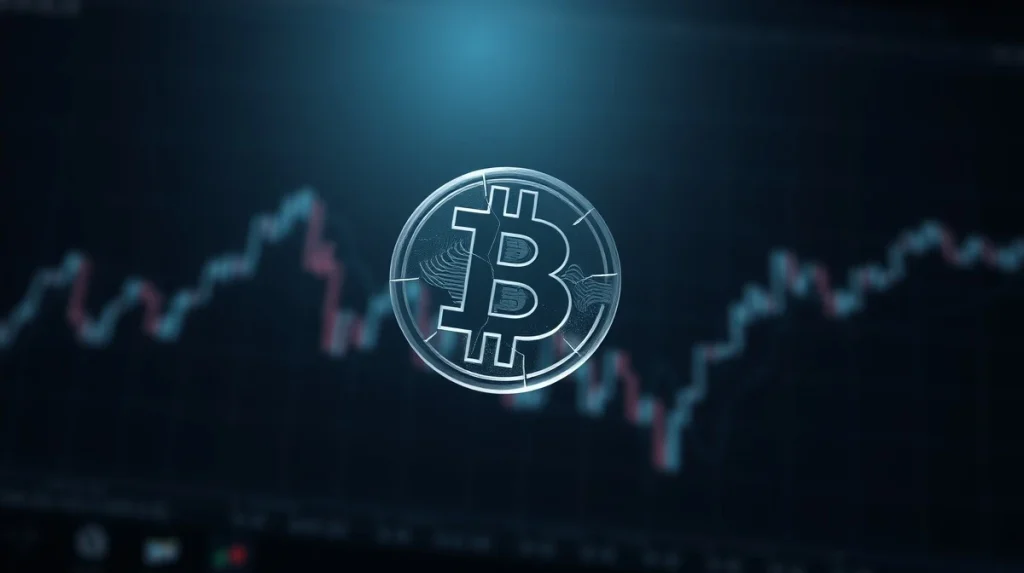
The cryptocurrency RAVE experienced a violent price swing this week, sparking formal investigations by two major exchanges and forceful denials from its governing body, RaveDAO. Data from CoinGecko shows the token’s value skyrocketed over 400% in under 48 hours before collapsing by more than 80%. This pattern triggered immediate accusations of coordinated market manipulation across social media and trading forums. In response, Binance and Bitget have opened independent inquiries into the trading activity. RaveDAO has issued a public statement categorically rejecting any involvement. The event highlights persistent concerns about supply control and market integrity in decentralized finance.
Anatomy of the RAVE Token Volatility
According to market data, the RAVE token began its ascent on April 15, 2026. Its price moved from approximately $0.85 to a peak above $3.50 by the early hours of April 17. Trading volume spiked to over 300 times its 30-day average. Then, within a six-hour window, the price plummeted back to near its starting point. This surge-and-crash cycle fits a classic pattern that often draws regulatory and exchange scrutiny. On-chain analytics firm Arkham reported that a cluster of wallets appeared to execute large, coordinated sell orders simultaneously. This activity drained liquidity from decentralized exchanges. What this means for investors is a stark reminder of the risks in low-liquidity crypto assets.
Also read: CZ Says Binance KYC Compliance Led to His Prison Term, While Hyperliquid Operates Without KYC
The rapid price movement was not supported by any major protocol upgrade or partnership announcement from RaveDAO. This absence of fundamental news fueled speculation that the activity was purely market-driven, and potentially artificial. Market watchers note that such events can erode trust. They also attract the attention of centralized platforms that list the token.
Exchange Investigations and Market Scrutiny
Both Binance and Bitget have confirmed they are reviewing the RAVE trading pairs on their platforms. A Binance spokesperson stated the exchange is “examining the trading activity for signs of market abuse.” Bitget published a notice saying it had initiated a “routine market surveillance review.” Neither exchange has frozen deposits or withdrawals for RAVE, but such reviews can precede trading suspensions or delistings. The implication is clear: major trading venues are actively policing their markets. This could signal a broader crackdown on perceived manipulation in smaller-cap tokens.
Also read: Hyundai Card Tests Stablecoin Payments Between US and Mexico Subsidiaries
Exchange investigations typically analyze order book data, wash trading patterns, and wallet relationships. Their findings can lead to penalties for individual traders or warnings to project teams. For RaveDAO, the probes represent a significant reputational threat. A negative outcome from either exchange could limit access to liquidity for RAVE holders.
The Regulatory Context and Precedent
This incident occurs amid a global push for clearer crypto market regulation. In the United States, the Securities and Exchange Commission has brought numerous cases alleging market manipulation. The Commodity Futures Trading Commission has also prioritized such enforcement. While RaveDAO is a decentralized entity, the exchanges that list its token are centralized and regulated. They face increasing pressure to monitor their markets. Industry analysts suggest the Binance and Bitget inquiries are partly a defensive measure. They demonstrate proactive compliance to regulators.
Past cases show similar patterns. In 2023, the token for a different DAO was delisted from multiple exchanges after a manipulation probe. The project never recovered its trading volume. The current situation with RAVE could follow a similar path if the exchange reviews find conclusive evidence.
RaveDAO’s Official Response and Community Reaction
Facing intense criticism, RaveDAO published a detailed statement on April 18, 2026. The DAO said it “unequivocally denies any participation in, or prior knowledge of, any market manipulation.” It attributed the volatility to “speculative market forces and possible predatory trading by third parties.” The statement emphasized that the DAO’s treasury had not sold any RAVE tokens during the period. It also invited the exchanges to review its treasury wallets for transparency. This suggests the DAO is attempting to cooperate with the investigations to clear its name.
However, the response has received a mixed reaction. Some community members support the DAO’s position. Others remain skeptical, pointing to the concentration of token supply. According to Etherscan data, a small number of wallets hold a large percentage of the total RAVE supply. This concentration is a common risk factor for price manipulation. The DAO has not yet addressed these specific supply distribution concerns in depth.
Key points from RaveDAO’s statement:
- Denial of all involvement in market manipulation.
- Attribution of volatility to external market actors.
- An open invitation for exchanges to audit treasury wallets.
- A commitment to building products, not engaging in market trading.
Broader Impact on DeFi and DAO Governance
The allegations against RaveDAO strike at the core of decentralized governance promises. DAOs are meant to operate with transparency and collective stewardship of their tokens. Events like this test that model. They raise difficult questions about accountability when no central entity exists. This could influence how investors evaluate other DAO-governed projects. Due diligence may now require deeper analysis of token distribution and treasury management policies.
Furthermore, the incident puts a spotlight on the relationship between decentralized projects and centralized exchanges. Most DAO tokens rely on CEXs for liquidity and user access. When manipulation allegations arise, the power dynamic becomes clear. The exchanges hold significant control over the token’s future. This tension is an unresolved issue in the crypto ecosystem.
Conclusion
The investigation into RAVE token manipulation is a developing story with implications for traders, the RaveDAO project, and the wider market. Binance and Bitget are now key arbiters. Their findings will influence whether this is seen as an isolated incident or a case of misconduct. RaveDAO’s strong denial sets the stage for a conflict over narrative and evidence. For the market, this event is a reminder. Extreme volatility in low-liquidity assets often carries hidden risks. It also shows that major exchanges are watching, and they are willing to act.
FAQs
Q1: What is RaveDAO being accused of?
RaveDAO faces allegations that it or individuals associated with it coordinated trading to artificially inflate the price of its RAVE token before selling, causing a massive crash. The DAO denies all accusations.
Q2: What are Binance and Bitget doing?
Both cryptocurrency exchanges have opened formal inquiries. They are examining trading data for the RAVE token on their platforms to identify any patterns of market manipulation, such as wash trading or spoofing.
Q3: What happens if the exchanges find evidence of manipulation?
Potential outcomes include trading suspensions, delisting of the RAVE token, or sanctions against specific user accounts. It could also lead to referrals to financial regulators.
Q4: How did the RAVE token price move?
Data shows the price surged over 400% to above $3.50 in two days in mid-April 2026, then collapsed by over 80% in a matter of hours, wiping out most of the gains.
Q5: Why is token supply concentration a concern?
When a large percentage of a token’s total supply is held by very few wallets, those holders can potentially coordinate to control the market price by executing large, timed buys or sells, creating artificial volatility.