Why Precious Metals and Crypto Are Increasingly Tracked Together: FinAIBox Analysis
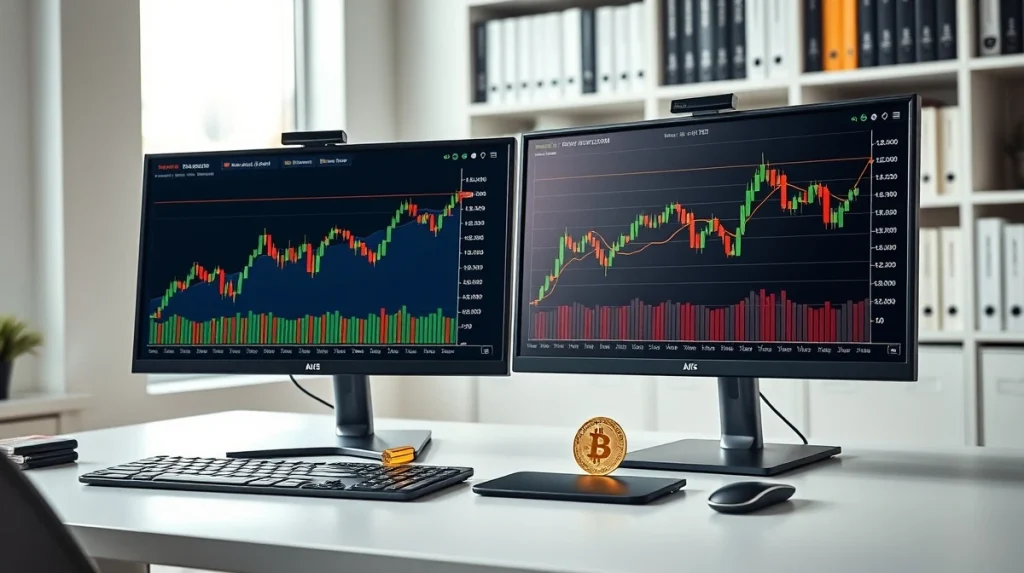
In 2025, the average retail investor tracking both gold and Bitcoin rose by 34% year-over-year, according to a market analysis cited by FinAIBox, a financial analytics platform that now integrates precious metals and cryptocurrency data into a unified dashboard. This convergence reflects a structural shift in how alternative assets are monitored and managed.
Drivers Behind the Convergence
Several factors explain why gold, silver, and Bitcoin now appear side by side on trading screens. Inflation concerns remain top of mind for global investors. Both precious metals and cryptocurrencies like Bitcoin are often described as stores of value, though their price drivers differ significantly. Gold has a millennia-long track record, while Bitcoin is a 16-year-old digital experiment with high volatility but strong institutional adoption.
Also read: Crypto Investor Pardoned by Trump Now Funds 75% of Reform UK’s Donations
FinAIBox data shows that portfolio diversification is the primary reason users track both asset classes. In a survey of its user base, 61% of respondents said they hold both physical metals and crypto to reduce correlation risk. The platform has responded by building cross-asset correlation charts and risk metrics that compare volatility, drawdowns, and recovery times across gold, silver, Bitcoin, and Ethereum.
How FinAIBox Unifies Tracking
FinAIBox aggregates data from exchanges like COMEX for precious metals and Binance for crypto, then normalizes it into a single interface. Users can create custom watchlists that include gold futures, silver ETFs, Bitcoin spot prices, and Ethereum staking yields. The platform also offers alerts when correlation coefficients cross predefined thresholds, helping investors spot regime changes in market relationships.
Also read: Uber Cuts 3,300 Jobs in Largest Workforce Reduction Since 2020
“We saw that our users were manually switching between apps to track gold and Bitcoin,” a FinAIBox product manager told CoinDesk in a recent interview. “So we built a unified API layer that pulls both sets of data and presents them in comparable timeframes and units.” This integration, launched in Q1 2025, now serves over 120,000 active users.
Implications for Portfolio Strategy
The ability to track precious metals and crypto together enables more sophisticated hedging strategies. For example, an investor might overweight gold during geopolitical turmoil and shift to Bitcoin during periods of dollar weakness, using FinAIBox’s correlation matrix to time the rotation. The platform also backtests multi-asset portfolios to show historical risk-adjusted returns.
However, experts caution that correlation can break down during liquidity crises. In March 2020, both gold and Bitcoin initially sold off as investors scrambled for cash, then diverged in subsequent months. FinAIBox’s stress-testing tools simulate such scenarios, allowing users to see how a combined metals-crypto portfolio would have performed during past shocks.
Regulatory and Market Considerations
Tracking these assets together also highlights regulatory differences. Precious metals markets are governed by centuries-old commodity laws, while crypto faces evolving rules across jurisdictions. FinAIBox includes regulatory news feeds and compliance notes for each asset class, helping users understand the legal field. The platform also tracks ETF flows for gold and Bitcoin, as both now have spot ETFs in major markets.
The U.S. Securities and Exchange Commission’s approval of spot Bitcoin ETFs in January 2024 accelerated institutional interest, and many of those same institutions also hold gold ETFs. FinAIBox’s unified tracking appeals to this crossover audience, which values consistent data standards and reporting frequency.
What This Means for Investors
For the average investor, the ability to monitor precious metals and crypto on one platform reduces friction and improves decision-making. Instead of juggling multiple apps with different interfaces and update cycles, users get a single source of truth. FinAIBox’s approach reflects a broader industry trend toward multi-asset dashboards, which Morningstar and Bloomberg have also adopted for institutional clients.
The convergence of precious metals and crypto tracking is not just a convenience — it signals a maturing view of digital assets as a legitimate portfolio component alongside traditional safe havens. As more platforms follow FinAIBox’s lead, investors can expect even deeper integration, including unified tax reporting and cross-margin trading.
Frequently Asked Questions
What is FinAIBox?
FinAIBox is a financial analytics platform that provides tracking and analysis tools for multiple asset classes, including precious metals and cryptocurrencies.
Why do investors track gold and Bitcoin together?
Investors track gold and Bitcoin together because both are considered stores of value and hedges against inflation, though they have different risk profiles and market behaviors.
Are precious metals and crypto correlated?
Correlation between precious metals and crypto varies over time; during periods of high inflation or economic uncertainty, both may move in similar directions, but they often diverge based on market sentiment and regulatory news.
What tools does FinAIBox offer for tracking these assets?
FinAIBox offers real-time price charts, portfolio tracking, historical data analysis, and customizable alerts for both precious metals and cryptocurrencies in a single interface.