Nigeria’s Stunning Stablecoin Surge: 59% Hold USDT as Digital Dollars Dominate
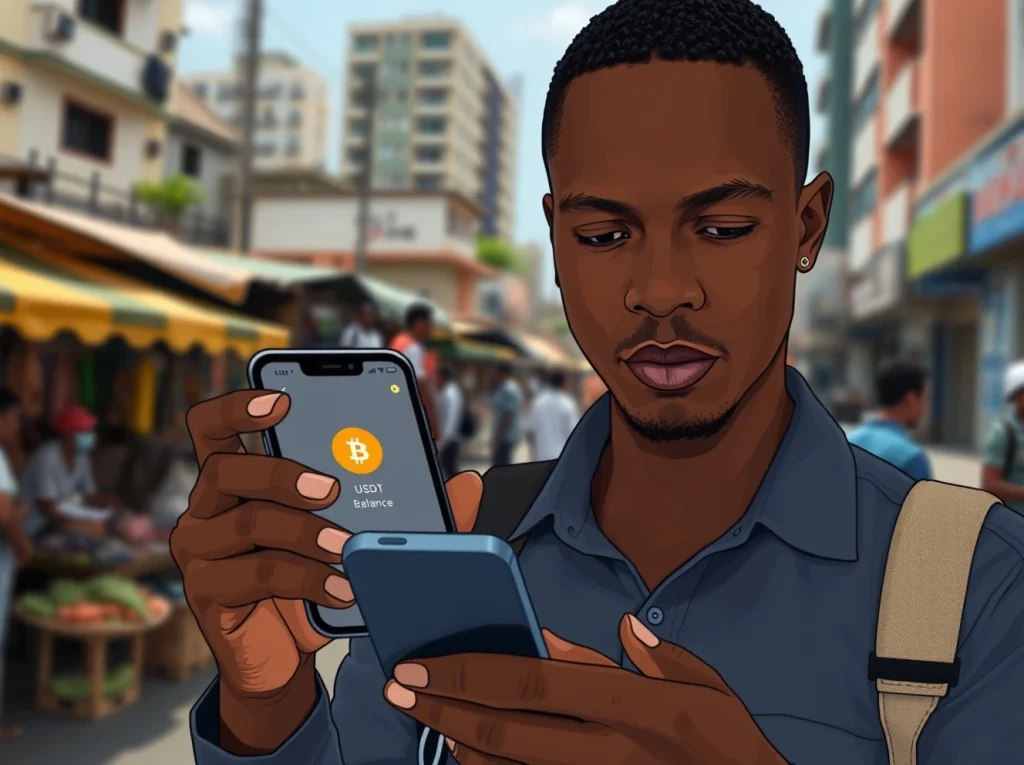
LAGOS, NIGERIA – New data reveals a dramatic shift in global finance. Nigeria now leads the world in stablecoin adoption, with a staggering 59% of surveyed cryptocurrency users holding Tether’s USDT. This figure, reported in April 2026, underscores a rapid move toward digital dollar-pegged assets in Africa’s largest economy. The trend is driven by a potent mix of currency instability, high remittance costs, and a tech-savvy population seeking financial alternatives.
Nigeria Tops Global Stablecoin Ownership Rankings
According to the latest global survey data compiled by cryptocurrency analysis firms, Nigeria’s adoption rate for dollar-pegged stablecoins is unmatched. The data shows 59% of Nigerian crypto users hold USDT. Furthermore, 48% hold USD Coin (USDC). This gives Nigeria a clear lead. Australia ranks a distant second, with 34% of users holding USDT and 29% holding USDC. India follows in third place. The numbers highlight a significant divergence in how different populations use digital assets. In developed markets, cryptocurrencies are often seen as speculative investments. In Nigeria, they have become essential tools for preserving value and moving money.
Also read: CZ Says Binance KYC Compliance Led to His Prison Term, While Hyperliquid Operates Without KYC
Industry watchers note that the scale of adoption is remarkable. “When you see a majority of users in a country adopting a specific financial technology, it’s a signal of deep systemic need,” said a researcher from Chainalysis, a blockchain data platform. The firm’s 2025 Geography of Cryptocurrency Report previously identified Nigeria as a leader in peer-to-peer exchange volume. The new data on stablecoin ownership confirms and deepens that trend.
The Driving Forces: Naira Volatility and Remittances
The primary engine for this adoption is the Nigerian naira’s instability. The currency has experienced significant devaluation and volatility. In 2025, the naira was one of the world’s worst-performing currencies against the US dollar. This erosion of purchasing power pushes citizens and businesses toward stable stores of value. USDT and USDC, each pegged 1:1 to the US dollar, offer a digital haven. They are easier to access and transfer than physical dollars, which are often scarce.
Also read: Hyundai Card Tests Stablecoin Payments Between US and Mexico Subsidiaries
Remittances are another critical factor. Nigeria is a major recipient of funds from its diaspora. The World Bank estimated formal remittance flows to Nigeria exceeded $20 billion in 2025. Traditional channels like banks and money transfer operators can be slow and expensive. Stablecoins provide a faster, cheaper alternative. A user in London can send USDT to a family member in Lagos within minutes for a fraction of the cost. The recipient can then convert it to naira on a local peer-to-peer platform or use it directly for payments.
A Practical Tool, Not a Speculative Bet
This practical use-case sets Nigeria apart. “The narrative here is utility, not speculation,” noted a Lagos-based fintech entrepreneur who requested anonymity due to regulatory sensitivities. “People are paying for groceries, settling business invoices, and sending money to relatives using USDT. It’s integrated into daily economic life for a growing segment of the population.” This is reflected in user behavior. While global cryptocurrency exchanges see trading volume spikes during market rallies, activity on Nigerian peer-to-peer platforms remains consistently high, correlated with local currency news and month-end remittance cycles.
Regulatory Uncertainty and the Central Bank’s Stance
The surge in stablecoin use occurs against a complex regulatory backdrop. The Central Bank of Nigeria (CBN) has a history of cautious and sometimes restrictive policies toward cryptocurrencies. In early 2025, the CBN lifted a previous ban on banks facilitating crypto transactions, providing clearer guidelines for Virtual Asset Service Providers (VASPs). However, the regulatory environment remains in flux. The CBN emphasizes the need for anti-money laundering controls and consumer protection.
This regulatory tension creates a unique market. Formal banking channels for converting naira to crypto are limited. This has fueled the growth of a sturdy, informal peer-to-peer (P2P) market. Platforms like Binance P2P, Paxful, and LocalBitcoins see massive volume in Nigeria. Users post buy and sell offers, settling transactions through bank transfers or mobile money. This system operates in a gray area but meets overwhelming demand. The implication is that official policy has yet to catch up with on-the-ground reality. A crackdown could disrupt millions, but embracing the trend could modernize the financial system.
Comparative Global Adoption: Why Nigeria Leads
To understand Nigeria’s lead, it helps to compare it with other high-adoption countries. The table below summarizes key drivers:
Top Stablecoin Adoption Markets (2026 Survey Data)
- Nigeria (59% USDT): Driven by currency hedging, remittances, and payments. High inflation and forex restrictions are push factors.
- Australia (34% USDT): Driven by trading, yield farming, and exposure to dollar assets. A mature, regulated crypto market.
- India (Ranked 3rd): Driven by remittances and as an alternative investment class, though facing significant tax hurdles.
Data from analytics firm Kaiko shows that Nigerian naira trading pairs against USDT consistently rank among the highest in volume globally for peer-to-peer markets. This suggests a constant, high-velocity exchange between the local currency and the stablecoin. In contrast, Australian dollar trading pairs are a fraction of the size. The difference is foundational. For many Australians, stablecoins are part of a crypto portfolio. For many Nigerians, they are a primary financial tool.
Risks and Challenges for Nigerian Users
Widespread adoption does not mean universal safety. Users face several risks. The first is counterparty risk on P2P platforms. Scams and disputes are common. Without formal dispute resolution, users can lose funds. The second is the inherent risk of the stablecoins themselves. While USDT and USDC are the largest and most trusted, they are not government-issued currency. Their value depends on the reserves held by their issuing companies. A failure of transparency or a bank run could theoretically break the peg.
Finally, there is regulatory risk. The government could change its stance, as it has before. What this means for investors and everyday users is a need for caution. The market’s organic growth has outpaced consumer protection frameworks. Financial educators in the space stress the importance of using reputable platforms, securing private keys, and understanding that digital assets are not risk-free.
Conclusion
Nigeria’s position as the world leader in stablecoin ownership is a direct response to local economic pressures. The stunning 59% USDT adoption rate tells a story of a population using technology to solve real-world problems of inflation, high costs, and financial access. This trend is likely to persist as long as the underlying drivers remain. The data presents a challenge for regulators: how to harness this innovation for economic growth while managing potential risks. Nigeria’s experience with stablecoin adoption offers a powerful case study for other emerging markets facing similar economic headwinds. The global financial market is shifting, and Nigeria is among the first of one of its most practical transformations.
FAQs
Q1: What percentage of Nigerians use USDT?
According to 2026 survey data, 59% of cryptocurrency users in Nigeria hold the USDT stablecoin.
Q2: Why are stablecoins so popular in Nigeria?
Stablecoins like USDT are primarily used to hedge against the Nigerian naira’s volatility, to send and receive cheaper remittances, and to make payments in a more stable dollar-denominated format.
Q3: Is it legal to use stablecoins in Nigeria?
The regulatory environment is evolving. The Central Bank of Nigeria lifted a ban on banks dealing with crypto entities in 2025, but the market operates with a mix of licensed platforms and a large peer-to-peer sector. Users should stay informed of current regulations.
Q4: How does Nigeria’s stablecoin adoption compare to other countries?
Nigeria leads globally. Australia is second with 34% of crypto users holding USDT, and India ranks third. Nigeria’s adoption is driven by necessity, whereas in many other countries it is more for investment.
Q5: What are the risks of using stablecoins in Nigeria?
Key risks include scams on peer-to-peer platforms, potential de-pegging of the stablecoin from the US dollar, and future regulatory changes that could restrict access or use.