Midnight Passport: Hoskinson’s Audacious Plan to Onboard a Billion Users with a Simple QR Code
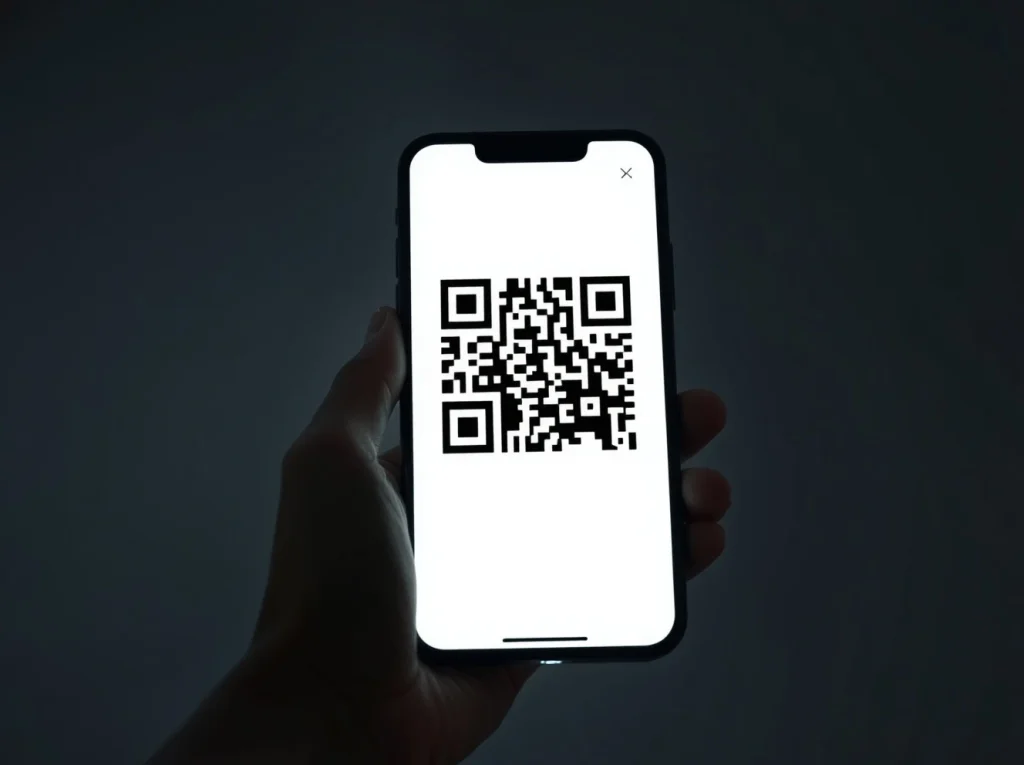
Charles Hoskinson has unveiled a tool he claims could bring a billion new users into cryptocurrency. The Cardano founder demonstrated Midnight Passport, a system designed to create a fully functional crypto wallet in under 60 seconds using nothing but a QR code. This move signals a major push to solve one of the industry’s oldest problems: complex onboarding.
How Midnight Passport Aims to Simplify Crypto Onboarding
Midnight Passport is described as a seven-layer onboarding tool. According to Hoskinson’s demonstration, a new user scans a QR code with their smartphone camera. The system then automatically generates a non-custodial wallet, handles key management, and provides initial access—all without requiring the user to download an app, write down a seed phrase, or understand blockchain fundamentals. Industry watchers note that this process, if reliable, would represent a significant reduction in friction compared to standard methods, which often involve multiple steps and technical jargon. What this means for investors is a potential expansion of the total addressable market for crypto applications, should the tool see widespread adoption.
Also read: BNB Chain Reveals New Layer 1 Blockchain for Agentic Trading, Mainnet Set for 2027
The Technical and Adoption Hurdles Ahead
While the demo was compelling, the path to a billion users is fraught with challenges. Past attempts at one-click onboarding, like social recovery wallets or simplified key solutions, have struggled with security trade-offs or fragmented support. Data from analytics firm DappRadar shows that monthly active users across all decentralized applications rarely exceed a few million. Reaching a billion would require adoption far beyond the current crypto-native community. This suggests Midnight Passport must appeal to mainstream users who have never interacted with digital assets. The implication is that its success depends less on its technology and more on the applications built on top of it.
Security and Interoperability Questions
A key question surrounds security architecture. A wallet created in seconds must still protect user funds. Analysts are keen to see how Midnight Passport manages private keys and whether it incorporates solid recovery options. Furthermore, for the tool to have global utility, it must be interoperable across multiple blockchains, not just Cardano’s ecosystem. Hoskinson stated the product is designed to be chain-agnostic, but technical details remain sparse. This could signal a wait-and-see approach from developers until the protocol is fully documented and audited.
Also read: Naver Financial and Dunamu Push Share Swap Deadline to December Amid Regulatory Hurdles
Context: The Long Search for Frictionless Entry
The quest for simple onboarding is not new. Companies like Coinbase have long used email-based wallets. More recently, account abstraction initiatives on Ethereum and passkeys technology from major tech firms have sought similar goals. Midnight Passport enters a crowded field. Its differentiator appears to be the promise of a completely app-less, QR-code-first experience. However, achieving this at scale requires solving for device compatibility, network fees for initial transactions, and regulatory know-your-customer (KYC) checks, which were not detailed in the initial reveal.
Potential Impact on the Broader Market
If successful, a tool like Midnight Passport could lower the barrier for decentralized application (dApp) usage dramatically. Games, social media platforms, and financial services could integrate a “scan-to-join” feature. This would shift the focus from wallet setup to actual utility. For the Cardano ecosystem, it represents a strategic bid to attract developers by offering a built-in user acquisition channel. Market observers will be watching for partnerships and pilot programs in the coming months as a gauge of real-world traction.
Conclusion
Charles Hoskinson’s Midnight Passport presents a bold vision for crypto onboarding via QR code, targeting a billion users with a sub-60-second setup. While the technical demonstration is promising, its ultimate success hinges on overcoming significant security, interoperability, and adoption hurdles that have stalled previous simplicity initiatives. The tool’s launch will be a critical test of whether reducing technical friction can truly unlock mass-market growth for blockchain technology.
FAQs
Q1: What is Midnight Passport?
Midnight Passport is a crypto onboarding tool created by Charles Hoskinson. It uses a QR code to generate a non-custodial wallet for a new user in under 60 seconds, without requiring them to install an application.
Q2: How does the QR code crypto onboarding work?
A user scans a QR code with their phone’s camera. The system then automatically creates a wallet, manages the cryptographic keys, and grants the user access, abstracting away the complex steps typically involved.
Q3: Is Midnight Passport only for the Cardano blockchain?
While developed by the founder of Cardano, Hoskinson has stated the tool is designed to be chain-agnostic, meaning it could potentially work with multiple blockchain networks.
Q4: What are the main security concerns with such fast onboarding?
Analysts question how private keys are secured and managed in a process this quick, and what recovery options exist if a user loses access. Detailed security specifications are awaited.
Q5: Has anything like this been tried before?
Yes, the industry has long sought simpler onboarding. Similar efforts include social recovery wallets, embedded wallets in apps, and new standards like account abstraction. Each has faced challenges with adoption, security, or cross-platform support.