From Dogecoin to Little Pepe: How Meme Coins Evolve and What Comes Next
The trajectory of meme coins has followed a distinct pattern: each wave builds on the attention generated by its predecessor. Dogecoin, launched in 2013 as a lighthearted parody, turned internet culture into a market force, achieving a market capitalization of approximately $15.06 billion and delivering gains of around 17,000% from its early days. Its entire supply of 153.95 billion DOGE is now in circulation, making it a fully distributed asset with a dedicated community.
Shiba Inu: Scaling the Meme Coin Model
Shiba Inu expanded on Dogecoin’s formula by introducing a more structured ecosystem. Launched in 2020, SHIB added decentralized exchange ShibaSwap, a layer-2 solution called Shibarium, and a growing suite of decentralized finance tools. This evolution from pure meme to functional token attracted a broader user base and demonstrated that community-driven projects could sustain long-term interest beyond initial hype.
Also read: BNB Chain Reveals New Layer 1 Blockchain for Agentic Trading, Mainnet Set for 2027
Little Pepe: The Next Phase of Growth
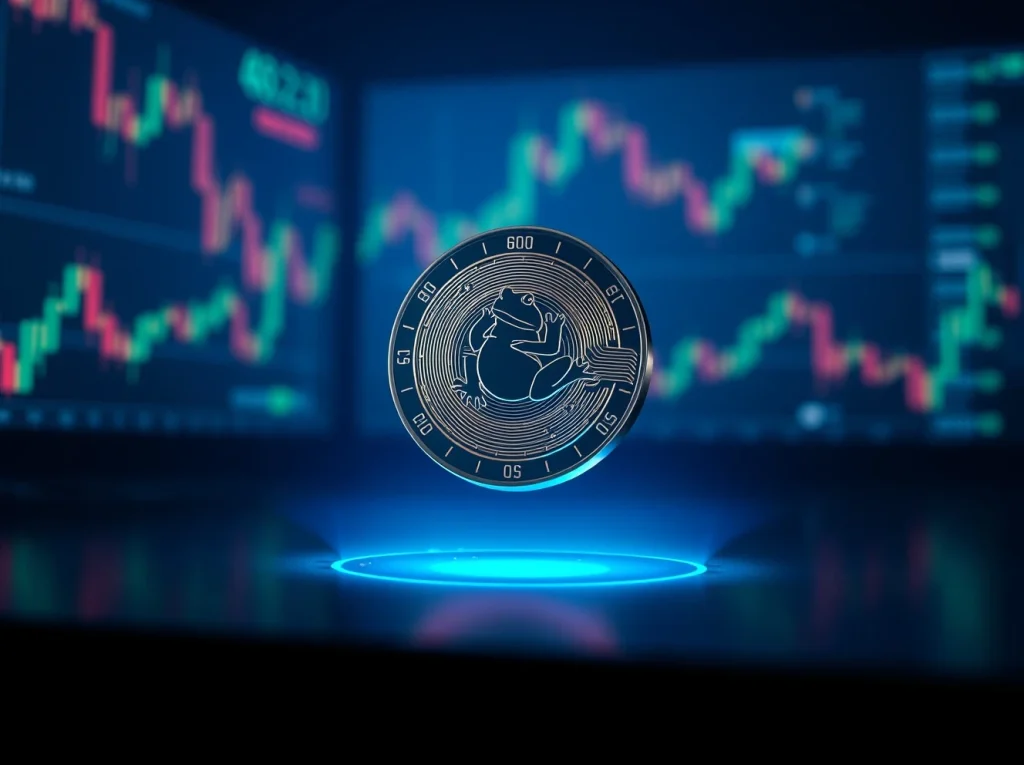
Now, Little Pepe (LILPEPE) enters the scene, aiming to capture the next phase of meme coin development. Unlike its predecessors, which relied primarily on viral marketing and community enthusiasm, Little Pepe is positioning itself as a project that blends internet culture with tangible utility. Early reports suggest the team is focusing on building a platform that rewards holders, integrates with decentralized applications, and fosters a sustainable ecosystem.
Why This Matters for Investors and the Market
The evolution from Dogecoin to Shiba Inu to Little Pepe reflects a broader trend in cryptocurrency: the maturation of meme coins from speculative novelties into assets with real-world applications. For investors, this progression signals that the meme coin sector is not disappearing but transforming. Projects that can demonstrate utility, transparency, and community governance are more likely to survive market cycles. The success of Little Pepe will depend on its ability to execute on its roadmap and differentiate itself in an increasingly crowded space.
Also read: Naver Financial and Dunamu Push Share Swap Deadline to December Amid Regulatory Hurdles
Conclusion
Dogecoin created the cycle, Shiba Inu expanded it, and Little Pepe now aims to define the next chapter. While the meme coin market remains volatile and driven by sentiment, the shift toward utility and ecosystem building suggests a maturing asset class. Investors should approach with caution, focusing on projects with clear use cases and active development teams.
FAQs
Q1: What makes Little Pepe different from Dogecoin and Shiba Inu?
Little Pepe is attempting to combine meme culture with practical utility, such as holder rewards and decentralized application integration, moving beyond the purely community-driven model of its predecessors.
Q2: Is the meme coin market still a viable investment?
Meme coins remain high-risk assets, but the market is evolving. Projects that offer real utility and transparent governance may have better long-term prospects, though volatility is still significant.
Q3: How does Little Pepe plan to sustain growth?
According to its roadmap, Little Pepe aims to build a platform with ongoing development, community incentives, and partnerships, though specific details are still emerging and should be verified by potential investors.