CLARITY Act Markup: Tim Scott Outlines 3-Point Plan to Keep Crypto Innovation in the US
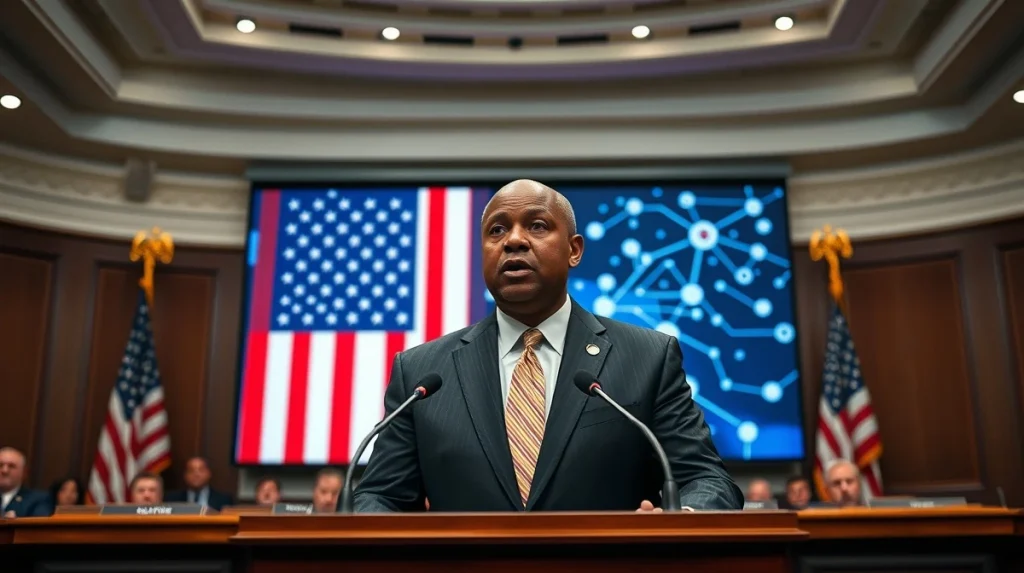
Senator Tim Scott, ranking member of the Senate Banking Committee, today introduced a three-point legislative framework aimed at preserving American leadership in digital assets during the markup session for the CLARITY Act. The proposal comes as Congress debates the future of crypto regulation and whether the United States can retain its competitive edge against jurisdictions like the European Union and Singapore.
Scott’s Three-Point Plan for Crypto
Speaking from the committee room, Scott outlined his strategy, which he said is designed to provide regulatory clarity without stifling innovation. The three pillars include: establishing a clear federal definition of digital assets to eliminate jurisdictional overlap between the SEC and CFTC; creating a safe harbor for blockchain developers to test new products without immediate enforcement action; and streamlining tax reporting requirements for crypto transactions to reduce compliance burdens on startups and individual investors.
Also read: XRP ETF Gains Institutional Backing From Virginia and Florida Investment Advisors
Scott emphasized that the United States is at a crossroads. ‘We can either write the rules of the digital economy or watch other nations write them for us,’ he said. His remarks were met with bipartisan interest, though some Democrats expressed concern that the proposal lacked sufficient consumer protection measures.
Context of the CLARITY Act Markup
The CLARITY Act, formally the Crypto Legal Authority and Regulatory Transparency Act, is a broader bill that seeks to codify regulatory boundaries for digital assets. Today’s markup session is a critical procedural step where committee members propose amendments and debate the bill’s language before a potential full Senate vote.
Also read: BlackRock’s BUIDL Fund Doubles on Avalanche, Surpasses $900M in AUM
The timing is significant. Over the past year, several major crypto firms have relocated or expanded operations overseas, citing regulatory uncertainty in the US. Meanwhile, the European Union’s Markets in Crypto-Assets (MiCA) framework is already in effect, and Singapore has updated its payment services act to attract blockchain businesses.
Why This Matters for Investors and Developers
For US-based crypto companies, the outcome of this markup could determine whether they face a patchwork of state-level regulations or a unified federal standard. Scott’s safe harbor proposal, in particular, is seen as a potential lifeline for early-stage blockchain projects that have struggled to deal with SEC enforcement actions.
Industry observers note that the plan does not address stablecoin regulation or decentralized finance (DeFi) specifically, which could become sticking points in later negotiations. However, the proposal signals a shift in Republican leadership toward proactive crypto legislation rather than reactive enforcement.
Conclusion
Today’s markup session marks a key moment in the ongoing debate over crypto regulation in the United States. While Scott’s three-point plan offers a roadmap for keeping innovation domestic, the path to final passage remains uncertain. The committee is expected to continue deliberations through the week, with amendments likely from both sides of the aisle. For the crypto industry, the message is clear: Washington is finally paying attention, and the next few months could define the regulatory sector for years to come.
FAQs
Q1: What is the CLARITY Act?
The CLARITY Act (Crypto Legal Authority and Regulatory Transparency Act) is a proposed US Senate bill that aims to define which federal agency has jurisdiction over digital assets and to provide clearer regulatory guidelines for crypto businesses.
Q2: What are the three points of Senator Scott’s plan?
Scott’s plan includes: 1) a clear federal definition of digital assets to end SEC-CFTC jurisdictional disputes, 2) a safe harbor for blockchain developers to test products without immediate enforcement, and 3) simplified tax reporting for crypto transactions.
Q3: Why is this markup session important?
The markup is where committee members debate and amend the bill before a potential Senate vote. The decisions made here will shape the final legislation and could determine whether the US remains competitive in the global crypto economy.