Gulf Nations Question US Loyalty: What a Petrodollar Shift Could Mean for XRP
The decades-old petrodollar system, which has anchored global oil trade and US dollar dominance, is facing its most serious challenge in recent history. Growing tensions in the Middle East, particularly the escalating situation with Iran, have led Gulf nations to openly question the reliability of US security guarantees. Analysts are now examining how this geopolitical shift could influence the adoption of digital assets like XRP as alternatives in international settlements.
Background: The Petrodollar Under Pressure
For nearly 50 years, the petrodollar arrangement required oil-exporting nations, primarily in the Gulf, to price and settle oil sales in US dollars. In return, the United States provided military security and strategic alliances. This system reinforced the dollar’s global reserve currency status and gave the US significant economic utilize.
Also read: NIGHT Price Stays Under Pressure Despite Midnight’s Token Terminal Partnership
However, recent developments have strained this relationship. The UAE has reportedly reduced its reliance on dollar-denominated oil contracts, exploring bilateral trade agreements in other currencies. The question of whether Washington’s security commitments extend equally to Gulf allies or prioritize Israel has created diplomatic friction. The ongoing conflict with Iran has accelerated these doubts, pushing Gulf states to reconsider their long-term financial dependencies.
How XRP Fits Into the Equation
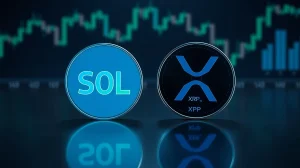
XRP, the digital asset associated with Ripple Labs, is designed for fast, low-cost cross-border payments. Unlike Bitcoin, which functions primarily as a store of value, XRP is built for settlement between financial institutions. Its technology allows for real-time currency conversion, which could reduce the need for a dominant intermediary currency like the US dollar.
Also read: Telegram-Linked TAC Token Crashes 90% in 15 Minutes: What Happened?
If Gulf nations move toward diversifying their settlement mechanisms, XRP’s utility as a bridge currency could become more attractive. Analysts note that Ripple has already established partnerships with financial institutions in the Middle East, including banks in Saudi Arabia and the UAE. These connections position XRP as a potential tool for bypassing traditional dollar-dominated clearing systems.
Expert Perspectives on the Shift
Market analysts caution that any major shift away from the petrodollar would be gradual, not immediate. The US dollar remains deeply embedded in global finance, and alternative systems face regulatory, liquidity, and trust hurdles. However, the current geopolitical climate is accelerating conversations that were previously theoretical.
“The petrodollar’s foundation is geopolitical trust,” one analyst noted. “When that trust erodes, nations look for alternatives. XRP’s speed and low cost make it a practical candidate for settlement diversification, but adoption depends on regulatory clarity and network growth.”
Implications for XRP and Global Finance
For XRP holders and the broader crypto market, this geopolitical tension introduces both opportunity and risk. On one hand, increased interest in non-dollar settlement systems could drive demand for XRP as a bridge currency. On the other, the uncertainty of international relations could lead to market volatility.
Regulatory developments also play a significant role. Ripple’s ongoing legal clarity in the US and its expanding presence in the Middle East and Asia could strengthen XRP’s position. However, any escalation in regional conflict might disrupt adoption timelines.
Conclusion
The questioning of US loyalty by Gulf nations represents a significant moment for global finance. While the petrodollar system will not collapse overnight, the cracks are visible. For XRP, this environment presents a real-world use case that extends beyond speculation. Whether the digital asset can capitalize on this shift depends on continued technological development, regulatory acceptance, and geopolitical stability. Readers should monitor both diplomatic developments and Ripple’s partnership announcements for further signals.
FAQs
Q1: What is the petrodollar system?
The petrodollar system is an arrangement where oil-exporting countries price and settle oil sales in US dollars, in exchange for US security guarantees. It has been a cornerstone of dollar dominance since the 1970s.
Q2: How could a petrodollar shift affect XRP?
If Gulf nations reduce reliance on the dollar for oil settlements, they may seek alternative payment systems. XRP’s design for fast, low-cost cross-border transactions makes it a potential candidate for use as a bridge currency in such scenarios.
Q3: Is the petrodollar likely to end soon?
Most analysts believe any shift away from the petrodollar will be gradual, taking years or decades. The US dollar remains deeply entrenched in global finance, but geopolitical tensions are accelerating discussions about alternatives.