Goldman Sachs Bitcoin ETF Filing Signals Major Crypto Pivot After XRP Success

Goldman Sachs has officially entered the race for a spot Bitcoin exchange-traded fund (ETF), according to a filing with the U.S. Securities and Exchange Commission. This move follows a period where the investment bank solidified a commanding position in markets for XRP, another major digital asset. The filing, submitted in early April 2026, marks a significant strategic expansion for one of Wall Street’s most influential firms.
Goldman Sachs Files for Spot Bitcoin ETF
The bank’s filing proposes a spot Bitcoin ETF, which would hold actual bitcoin. This structure differs from futures-based ETFs already on the market. According to the SEC’s public database, Goldman Sachs Asset Management is listed as the sponsor. The proposed fund would trade on a major U.S. exchange, though the specific listing venue was not disclosed in the initial filing.
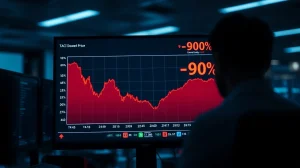
Also read: Telegram-Linked TAC Token Crashes 90% in 15 Minutes: What Happened?
This step places Goldman Sachs alongside other financial giants like BlackRock and Fidelity, which launched their own spot Bitcoin ETFs in January 2024. Industry watchers note that Goldman’s entry, while later, carries substantial weight. “A filing from Goldman Sachs validates the institutional framework that has been built,” said a market structure analyst who requested anonymity due to firm policy. The analyst added that Goldman’s extensive client network could drive significant new capital into the crypto asset class.
The XRP Foundation: A Strategic Prelude
Goldman Sachs’s push into a Bitcoin ETF did not occur in a vacuum. Over the past two years, the bank established itself as a dominant liquidity provider and trading counterparty for XRP. Data from crypto analytics firm Kaiko shows Goldman Sachs consistently ranked among the top three institutions by XRP derivatives volume on regulated venues throughout 2025.
Also read: XRP Scarcity Index on Binance Hits Highest Level Since Mid-2024, So Where Did the Coins Go?
This deep involvement with XRP provided the bank with critical operational experience. The bank built custody solutions, risk management frameworks, and compliance protocols for digital assets. A report from Bloomberg in February 2026 cited sources saying Goldman’s crypto desk had become one of its most profitable units in fixed-income trading. The implication is clear: success with XRP gave the bank the confidence and infrastructure to target the larger Bitcoin market.
Comparing Two Crypto Strategies
Goldman’s approach to XRP versus Bitcoin reveals a nuanced strategy. XRP, often associated with cross-border payments, allowed the bank to serve corporate and payment-focused clients. Bitcoin, viewed by many institutions as a digital store of value, appeals to a broader set of investors seeking long-term exposure. By dominating in XRP first, Goldman captured a specialized niche. The Bitcoin ETF represents a bid for the mainstream.
Key differences in Goldman’s reported approach:
- XRP: Focused on over-the-counter (OTC) trading, derivatives, and liquidity provision for institutional clients.
- Bitcoin ETF: A retail and institutional-facing product offering direct, regulated exposure through a familiar investment vehicle.
This two-pronged strategy covers both the wholesale trading market and the mass-market investment product space.
Market Impact and Competitive Pressure
The announcement immediately affected markets. Bitcoin’s price showed increased volatility following news of the filing. More notably, shares of companies like Coinbase, which provides custody services for many existing ETFs, rose. This suggests investors anticipate higher trading and custody revenue across the ecosystem.
The competitive pressure on existing ETF issuers is now more intense. “Goldman has a massive private wealth division,” noted an investment strategist at a rival firm. “They can market this product to ultra-high-net-worth individuals who have so far been hesitant to use crypto-native platforms.” What this means for investors is more choice and potentially lower fees as competition heats up.
Regulatory Hurdles and Timeline
Despite the fanfare, the path to approval is not guaranteed. The SEC has a history of cautious deliberation regarding spot Bitcoin ETFs. The first batch was approved only after a federal court ruling questioned the SEC’s inconsistent treatment of futures and spot products. Goldman’s application will undergo the same rigorous review process.
Analysts at TD Cowen published a note estimating a 75% chance of approval for the Goldman Sachs ETF within 12 to 18 months. Their projection is based on the established regulatory precedent set by the earlier approvals. However, the SEC could raise new questions specific to Goldman’s structure or proposed custody arrangements.
Conclusion
Goldman Sachs’s filing for a Bitcoin ETF is a major moment in the maturation of crypto markets. It signals that major traditional finance institutions are not just dipping a toe in the water but are committing substantial resources to build comprehensive digital asset businesses. The bank’s prior success in dominating XRP markets provided a proven playbook. This move puts further pressure on other global banks to define their own crypto strategies. The race for a Goldman Sachs Bitcoin ETF is now on, and its outcome will influence how both Wall Street and Main Street interact with digital currencies for years to come.
FAQs
Q1: What exactly did Goldman Sachs file for?
Goldman Sachs Asset Management filed a registration statement with the SEC for a spot Bitcoin exchange-traded fund (ETF). This fund would hold actual bitcoin and trade on a national stock exchange.
Q2: How is this different from Goldman’s work with XRP?
The XRP activity centered on trading, market-making, and derivatives for institutional clients. The Bitcoin ETF is a public investment product aimed at a wider range of investors, from individuals to large institutions, seeking regulated exposure to bitcoin’s price.
Q3: When might the Goldman Sachs Bitcoin ETF launch?
There is no set launch date. The SEC must review and approve the application. Based on timelines for similar products, analysts suggest a potential launch window between late 2026 and mid-2027, but this is only an estimate.
Q4: Why is a spot Bitcoin ETF significant?
A spot ETF allows investors to gain exposure to bitcoin’s price without the complexities of buying, storing, and securing the cryptocurrency directly. It is considered a key step in making bitcoin accessible within traditional investment portfolios.
Q5: Does this mean Goldman Sachs is bullish on bitcoin?
The filing indicates Goldman Sachs sees sufficient client demand and a viable business model in offering a bitcoin investment product. It reflects a strategic business decision to provide access to the asset, which is a form of institutional validation.