Galaxy Digital Q1 Loss Hits $216M as Crypto Market Crash Deepens
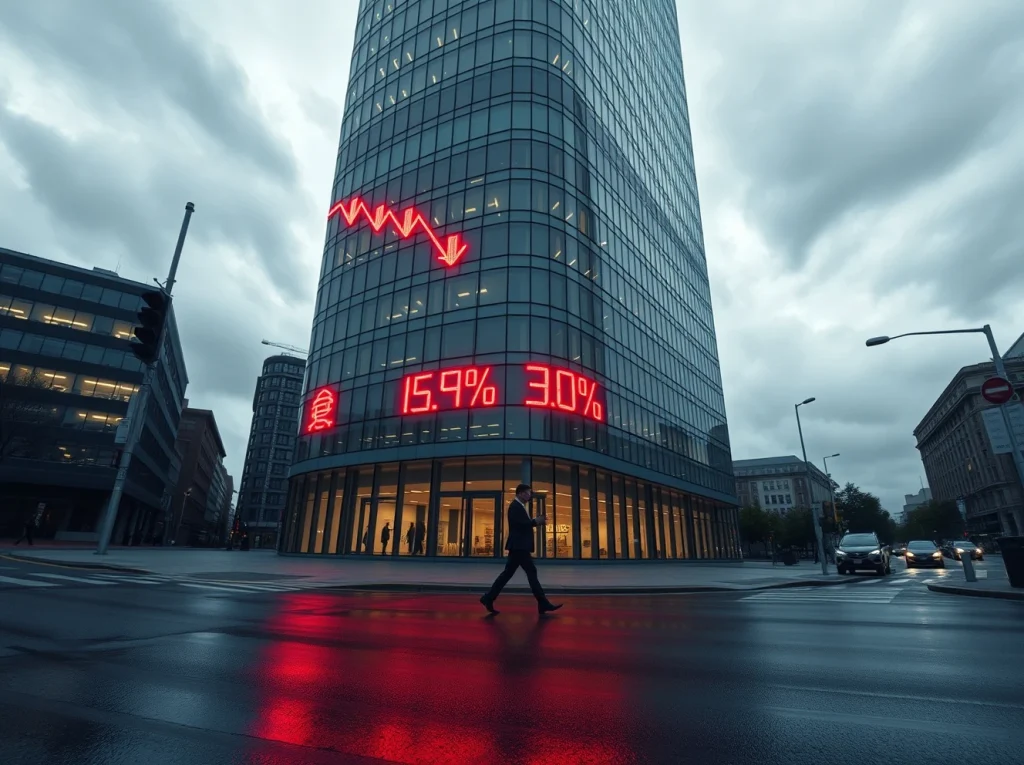
Galaxy Digital reported a massive $216 million net loss for the first quarter of 2026. The loss came as the broader cryptocurrency market capitalization fell by 20% in April 2026. The firm’s digital asset holdings and trading operations took a direct hit. New York-based Galaxy Digital, a major player in crypto financial services, disclosed the figures in its Q1 earnings report released on April 28, 2026.
Galaxy Digital Q1 Loss Driven by Crypto Market Crash
The company’s net loss for Q1 2026 stood at $216 million. This compares to a net income of $85 million in Q4 2025. The primary cause was a sharp decline in cryptocurrency prices. Bitcoin, for example, fell from $75,000 in March 2026 to $60,000 by late April. Ethereum dropped 25% over the same period.
Also read: BNB Chain Reveals New Layer 1 Blockchain for Agentic Trading, Mainnet Set for 2027
According to Galaxy Digital’s filing, the firm’s trading revenue fell by 40% quarter-over-quarter. Its investment portfolio also suffered significant unrealized losses. The company attributed the downturn to macroeconomic pressures. Rising interest rates and regulatory uncertainty in the U.S. weighed on investor sentiment.
Industry watchers note that Galaxy Digital’s exposure to volatile digital assets made it vulnerable. The firm holds substantial positions in Bitcoin, Ethereum, and several altcoins. When prices crash, the impact on its balance sheet is immediate.
Also read: Naver Financial and Dunamu Push Share Swap Deadline to December Amid Regulatory Hurdles
Helios Data Center Delivers First Hall to CoreWeave
Amid the Q1 loss, Galaxy Digital’s mining infrastructure business showed some progress. The Helios Data Center, located in West Texas, delivered its first hall to CoreWeave in April 2026. This facility is part of Galaxy’s strategy to diversify beyond trading and investment.
CoreWeave, a cloud computing provider focused on AI workloads, will use the data center capacity. The deal was originally announced in 2025. It involves converting Galaxy’s Bitcoin mining sites into high-performance computing centers. This shift aims to generate more stable revenue streams.
Data from Galaxy Digital shows that the Helios facility now hosts 50 megawatts of computing power. The company plans to expand this to 200 megawatts by the end of 2026. But the Q1 loss raises questions about funding for these expansion plans.
CoreWeave Partnership Details
CoreWeave reported $69 million in net inflows for Q1 2026. The company said this represented organic growth despite challenging market conditions. The partnership with Galaxy Digital allows CoreWeave to access low-cost energy and infrastructure.
Galaxy Digital CEO Mike Novogratz stated in the earnings call that the data center business is a long-term bet. He emphasized that the Q1 loss does not change the firm’s commitment to this strategy. However, analysts remain cautious.
“The Helios deal is promising, but it won’t offset trading losses overnight,” said one analyst who covers the sector. “Galaxy needs to show it can generate consistent profits from non-trading activities.”
Asset Management Reports Net Inflows Despite Market Downturn
Galaxy Digital’s asset management division also reported $69 million in net inflows during Q1 2026. This was a bright spot in an otherwise bleak quarter. The inflows came from institutional investors seeking exposure to digital assets at lower prices.
The firm manages several crypto-focused funds. These include a Bitcoin fund, an Ethereum fund, and a diversified digital asset fund. Despite the market crash, some investors viewed the price decline as a buying opportunity.
But the asset management division’s revenue still fell by 15% compared to Q4 2025. Management fees are tied to assets under management, which declined with market values. Performance fees also dropped sharply.
Institutional Interest Remains Strong
Galaxy Digital’s institutional client base includes pension funds, endowments, and family offices. These investors tend to have longer time horizons. They are less likely to panic-sell during market downturns.
“We are seeing continued interest from institutions,” said a Galaxy Digital spokesperson. “They are looking at this as a time to build positions.”
This suggests that the Q1 loss may not permanently damage Galaxy Digital’s reputation. But the firm must handle a difficult operating environment. Regulatory clarity in the U.S. remains elusive. The SEC has not approved a spot Bitcoin ETF, which limits retail participation.
Broader Market Context: Crypto Crash in April 2026
The cryptocurrency market capitalization fell from $3.5 trillion in March 2026 to $2.8 trillion in April. This 20% decline erased nearly $700 billion in value. Bitcoin led the sell-off, dropping below $60,000 for the first time since October 2025.
Several factors contributed to the crash. The U.S. Federal Reserve raised interest rates by 50 basis points in March. This tightened liquidity across all risk assets. China also renewed its crackdown on crypto mining and trading. Regulatory actions in the European Union added further pressure.
Galaxy Digital was not alone in suffering losses. Other crypto-focused firms, including Coinbase and MicroStrategy, also reported negative earnings. But Galaxy Digital’s diversified business model was supposed to provide a buffer. The Q1 loss shows that no crypto company is immune to market cycles.
| Metric | Q4 2025 | Q1 2026 | Change |
|---|---|---|---|
| Net Income (Loss) | $85M | -$216M | -354% |
| Trading Revenue | $150M | $90M | -40% |
| Asset Management Inflows | $55M | $69M | +25% |
| Bitcoin Price (End of Quarter) | $75,000 | $60,000 | -20% |
What This Means for Galaxy Digital Investors
The Q1 loss is a setback for Galaxy Digital shareholders. The company’s stock, listed on the Toronto Stock Exchange, fell 12% on the day of the earnings release. Year-to-date, the stock is down 35%.
But some analysts see opportunities. Galaxy Digital’s book value per share remains above its stock price. This suggests the market is pricing in further losses. If the crypto market stabilizes, the stock could rebound.
The firm also has a strong balance sheet. It reported $1.2 billion in cash and equivalents as of March 31, 2026. This provides a cushion against further market declines. However, the company’s debt load has increased to $800 million.
Industry watchers note that Galaxy Digital’s survival depends on the crypto market’s recovery. If Bitcoin stays below $60,000 for an extended period, the firm may need to raise capital. This could dilute existing shareholders.
Comparison to Previous Crypto Winters
Galaxy Digital survived the 2022 crypto winter, which saw Bitcoin fall to $16,000. The company reported losses in 2022 and 2023 before returning to profitability in 2024. The current downturn is less severe than 2022, but it comes after a strong recovery.
“Galaxy Digital has been through this before,” said a financial analyst. “The key is whether management can execute on its diversification strategy.”
The Helios Data Center and CoreWeave partnership are central to that strategy. If successful, they could transform Galaxy Digital from a pure-play crypto trader into a diversified technology infrastructure company.
Regulatory and Macroeconomic Outlook
The regulatory environment remains a wild card. The U.S. Congress is debating several crypto bills, but none have passed. The SEC continues to pursue enforcement actions against crypto firms. This creates uncertainty for Galaxy Digital’s trading and custody businesses.
Macroeconomic factors are also uncertain. The Fed has signaled further rate hikes if inflation remains above 3%. This could pressure crypto prices further. On the other hand, a potential recession could lead to rate cuts, which might boost digital assets.
Galaxy Digital’s management is not making predictions. In the earnings call, Novogratz said the company is focused on controlling costs and building infrastructure. He acknowledged that the Q1 loss was disappointing but said the firm is well-positioned for the long term.
Conclusion
Galaxy Digital Q1 loss of $216 million highlights the risks of exposure to volatile cryptocurrency markets. The 20% crypto market crash in April 2026 directly impacted the firm’s trading and investment portfolios. However, the Helios Data Center delivery to CoreWeave and $69 million in asset management inflows show signs of progress. Investors will watch whether Galaxy Digital can weather this downturn and execute its diversification strategy. The coming quarters will test the firm’s resilience.
FAQs
Q1: What caused Galaxy Digital’s Q1 loss in 2026?
A: The $216 million loss was primarily driven by a 20% decline in cryptocurrency market capitalization in April 2026. Falling Bitcoin and Ethereum prices reduced the value of Galaxy Digital’s trading and investment holdings.
Q2: How did the Helios Data Center perform during Q1?
A: The Helios Data Center in West Texas delivered its first hall to CoreWeave in April 2026. This is part of Galaxy Digital’s strategy to diversify into high-performance computing and AI cloud services.
Q3: Did Galaxy Digital’s asset management division see inflows?
A: Yes, the asset management division reported $69 million in net inflows during Q1 2026. Institutional investors took advantage of lower crypto prices to build positions.
Q4: Is Galaxy Digital at risk of bankruptcy?
A: No, the company has $1.2 billion in cash and equivalents. However, its debt has increased to $800 million. Prolonged market weakness could require capital raising.
Q5: How does the Q1 loss compare to previous crypto winters?
A: Galaxy Digital reported losses during the 2022 crypto winter but returned to profitability in 2024. The current loss is significant but less severe than 2022 in relative terms.