James Comer Opens Probe Into Kalshi and Polymarket Over Possible Insider Trading on Election Contracts
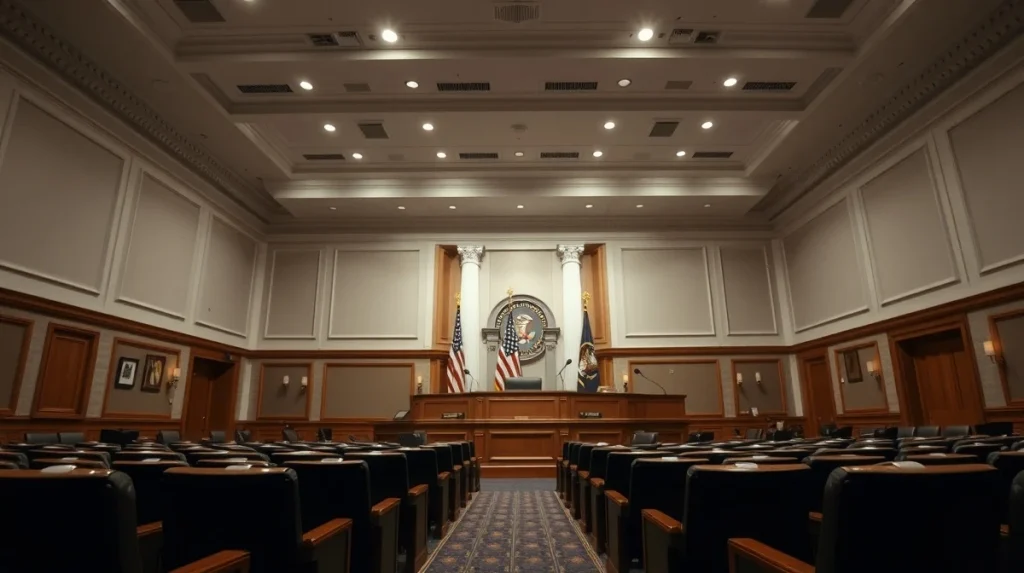
House Oversight Committee Chair James Comer (R-KY) has opened a formal investigation into prediction market platforms Kalshi and Polymarket, demanding records related to identity verification, location controls, and any suspicious trading activity tied to U.S. election contracts. The probe, announced this week, gives both companies until June 5 to respond.
The investigation centers on whether users with access to non-public government information could have profited from election-related contracts traded on these platforms. Comer’s letter to both firms requests detailed logs of how they verify user identities, restrict access based on geographic location, and monitor for unusual trading patterns that could indicate insider trading.
Also read: LAB Token Surges 150% as Short Sellers Face $2.3 Million in Liquidations
What Comer Is Asking For
The committee is seeking specific categories of records, including:
- Documents outlining Kalshi and Polymarket’s know-your-customer (KYC) and anti-money laundering (AML) procedures
- Data on how the platforms prevent users located outside the United States from accessing election contracts
- Records of any internal investigations into suspicious trading activity, especially around major political events
- Communications between the platforms and federal regulators, including the Commodity Futures Trading Commission (CFTC)
Polymarket, which operates primarily through cryptocurrency-based smart contracts, has faced scrutiny before. In 2022, the CFTC reached a $1.4 million settlement with the platform over allegations it offered event-based binary options without proper registration. Kalshi, a CFTC-regulated exchange, has sought to expand its election contract offerings but has faced regulatory pushback.
Also read: German Savings Banks Plan Crypto Trading for Millions of Retail Customers
Why This Matters
Prediction markets have grown in popularity as tools for forecasting election outcomes, but their legal status remains uncertain. Critics argue they could be exploited by individuals with inside knowledge of campaign strategy, polling data, or even government decision-making. Comer’s probe signals that Congress is taking these risks seriously.
The investigation also comes amid broader debates over the regulation of decentralized finance platforms. Unlike traditional financial exchanges, Polymarket relies on blockchain-based smart contracts that execute trades automatically, making it harder for authorities to monitor or intervene. Kalshi, while regulated, operates in a relatively new market category that has not been fully tested by federal oversight.
Both platforms have publicly stated they comply with applicable laws. Polymarket has previously said it blocks users from jurisdictions where its services are restricted and employs automated monitoring systems. Kalshi has emphasized its CFTC registration and adherence to exchange rules.
The June 5 deadline means the committee expects a swift response. If the platforms fail to comply, Comer could issue subpoenas or refer the matter to the Department of Justice. The outcome of this probe could shape how prediction markets are regulated in the United States for years to come.