CLARITY Act: Lummis Opens Up on Trump, Ethics, and a Possible Veto
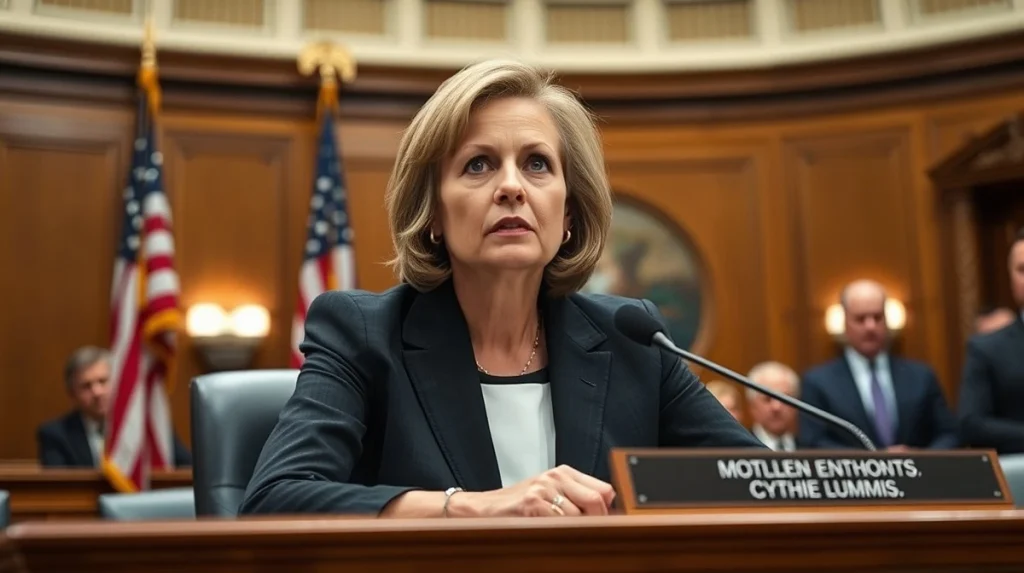
Senator Cynthia Lummis (R-WY) has opened up about the delicate balance between advancing the CLARITY Act, the role of former President Donald Trump in shaping crypto policy, and the ethical considerations that could lead to a presidential veto. In a series of interviews this week, Lummis, a key architect of the legislation, acknowledged the political tightrope the bill must walk as it aims to bring regulatory clarity to digital assets.
Lummis on Trump’s Crypto Stance
Lummis noted that Trump’s recent statements on cryptocurrency, which have shifted from skepticism to a more welcoming tone, create both opportunities and risks for the CLARITY Act. “The former president’s influence on the party is significant,” Lummis said during a panel at the Digital Asset Summit. “If he decides the bill is either too favorable to big banks or not protective enough for retail investors, that could sway a lot of votes.” She did not rule out the possibility that a future President Trump could veto the legislation if it does not align with his stated priorities for economic freedom and deregulation.
Also read: Crypto Investor Pardoned by Trump Now Funds 75% of Reform UK’s Donations
Ethical Guardrails in the Bill
A central theme of Lummis’s recent comments has been the ethical integrity of the legislative process. She emphasized that the CLARITY Act must avoid creating a system where regulators have too much discretion, which could lead to corruption or market manipulation. “We are building the rules for a new asset class,” Lummis explained. “If we get the ethics wrong, we will lose public trust forever.” She pointed to provisions in the bill that mandate transparency in how the SEC and CFTC classify tokens, as well as conflict-of-interest rules for agency officials.
Path to a Possible Veto
The specter of a veto is not hypothetical. Lummis outlined specific scenarios where she would advise against signing the bill into law. These include if the final version includes overly burdensome reporting requirements that stifle innovation, or if it fails to clearly delineate between securities and commodities. “I would rather have no bill than a bad bill,” she stated. The timeline for a final vote remains uncertain, with the Senate Banking Committee expected to mark up the legislation in the coming months.
Also read: Uber Cuts 3,300 Jobs in Largest Workforce Reduction Since 2020
Frequently Asked Questions
What is the CLARITY Act?
The CLARITY Act is a proposed U.S. federal law designed to provide a clear regulatory framework for digital assets, including defining which government agency has authority over different types of cryptocurrencies.
Why might President Trump veto the CLARITY Act?
Senator Lummis has suggested that a veto is possible if the bill is seen as too restrictive or if it fails to adequately protect consumer interests while still supporting innovation in the digital asset space.
What are the ethical concerns Lummis raised?
Lummis has expressed concerns about potential conflicts of interest and the influence of large crypto industry donors on the legislative process, arguing that the bill must prioritize public trust over market interests.
When will the CLARITY Act be voted on?
The timeline for a final vote remains uncertain, with the Senate Banking Committee expected to mark up the legislation in the coming months. A full floor vote in the Senate is not expected until late 2024 at the earliest.