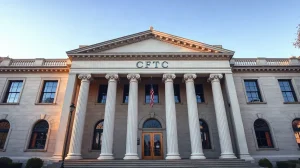
Circle Secures New York Trust Charter, Strengthening USDC’s Regulatory Standing

Circle, the fintech company behind the USDC stablecoin, has received a New York trust charter from the state’s Department of Financial Services (DFS), according to an announcement on January 17, 2025. The charter allows Circle to operate as a limited-purpose trust company under New York banking law, marking a significant expansion of its regulatory footprint beyond the BitLicense it already held.
The approval positions Circle among a select group of digital asset firms—including Paxos and Gemini—that hold trust charters in New York, a jurisdiction known for its rigorous oversight of financial services. For Circle, this move is not just a badge of compliance; it opens the door to offering custody and settlement services directly to institutional clients under a clear regulatory framework.
Also read: PayPal Expands Pay With Crypto to ~100 Coins, But Pi Network (PI) Remains Unconfirmed
What the Trust Charter Means for Circle’s Operations
The trust charter grants Circle the authority to engage in fiduciary activities, including custody of digital assets, which is a critical service for institutional investors. Unlike a BitLicense, which is specifically for virtual currency businesses, a trust charter is a broader banking license that signals a higher level of regulatory acceptance.
This distinction matters in practice. Custody services are a key revenue driver for crypto firms, and having a state-chartered trust status can make it easier to partner with traditional banks and asset managers who require regulated custodians. Circle’s CEO, Jeremy Allaire, called the approval “a major milestone” in a company blog post, noting that it “reinforces our commitment to operating within a clear, regulated framework.”
Also read: Bitcoin Reclaims $71K, Sparking Altcoin Rally: 16 Tokens With Real Catalysts
The timing is also notable. Stablecoin legislation has been stalled in Congress, leaving state regulators to fill the gap. New York’s DFS has emerged as a de facto national standard-setter, and Circle’s charter is a sign that the state is willing to reward companies that meet its high bar for consumer protection and anti-money laundering controls.
Market and Industry Implications
USDC is the second-largest stablecoin by market capitalization, with a supply of roughly $40 billion as of mid-January. The trust charter could give Circle a competitive edge over rivals like Tether, which operates without a New York license and has faced regulatory scrutiny in other jurisdictions.
For the broader crypto market, this development reinforces a trend: regulatory clarity is becoming a competitive advantage. Exchanges and financial institutions are increasingly favoring stablecoins that are backed by regulated entities, and Circle’s New York status could accelerate institutional adoption of USDC for payments and settlement.
It also puts pressure on other issuers to seek similar approvals. If Circle can use its trust charter to win large custody contracts or banking partnerships, competitors may find themselves at a disadvantage in the institutional market.
What to Watch Next
Circle’s next likely step is to expand its services under the charter, potentially offering tokenized real-world assets or digital securities custody. The company has already filed confidentially for an initial public offering, and this regulatory milestone could strengthen its pitch to public market investors.
Meanwhile, the broader regulatory field remains fluid. The European Union’s Markets in Crypto-Assets (MiCA) regulation takes full effect later this year, and Circle has already secured an e-money license in France. The New York charter, combined with MiCA compliance, positions Circle as one of the most heavily regulated stablecoin issuers globally—a factor that could shape the next phase of stablecoin competition.