Charles Hoskinson Tests Zero-Knowledge Wallet Recovery for Cardano Self-Custody
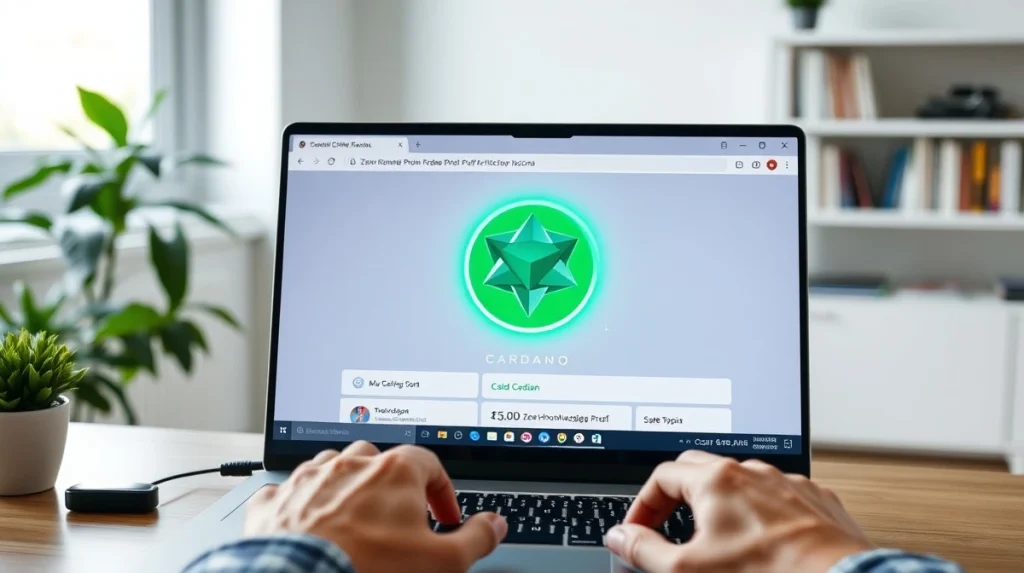
Charles Hoskinson, founder of Cardano, announced on June 26, 2026, that he has begun testing a zero-knowledge wallet recovery system designed to improve self-custody security across the Cardano network. The experimental concept would allow users to recover ADA and Cardano Native Tokens through a smart contract by proving ownership of a wallet’s 24-word recovery phrase without revealing the phrase itself.
Zero-Knowledge Recovery Could Strengthen Cardano Wallet Security
Hoskinson shared details on X, stating he is experimenting with a recovery smart contract that uses zero-knowledge proofs to verify wallet ownership. The proposed solution aims to help users regain access to funds while keeping sensitive recovery credentials completely private. According to Hoskinson, the smart contract would distribute ADA and Cardano Native Tokens from a dedicated recovery pool after successfully validating ownership. Instead of exposing the 24-word recovery phrase, users would generate a cryptographic proof confirming they possess the correct seed phrase.
Also read: Zcash (ZEC) Surges Past $900: Derivatives Data and Technicals Point to $1,800
The approach preserves self-custody while reducing the risks associated with sharing wallet credentials during recovery. If the proof satisfies the contract requirements, the assets are released automatically without requiring manual approval from a third party. Hoskinson stated that development remains in its early stages. However, he confirmed plans to collaborate with Quantumplation, Sebastien Guillemot, and the Midnight development team as testing continues. The proposal focuses on solving wallet recovery challenges while maintaining Cardano’s security principles. As a result, the blockchain itself would handle verification instead of relying on centralized custodians or external recovery services.
Experimental Design Builds on Cardano Infrastructure
The recovery concept is designed around Cardano’s existing smart contract capabilities and its extended UTxO architecture. These features provide deterministic transaction execution while supporting advanced cryptographic applications, including zero-knowledge proofs. The proposed recovery pool would securely hold ADA and Cardano Native Tokens until ownership verification succeeds. Once validated, the smart contract would automatically transfer the assets to the verified wallet owner without exposing private information.
Also read: DEXE Token Crashes to $1.90, Then Surges Over 100% in Single Trading Session
Hoskinson indicated that the project specifically addresses secure recovery scenarios rather than creating a universal wallet standard for every blockchain ecosystem. Consequently, development remains focused on practical use cases within Cardano’s infrastructure. The announcement arrives as blockchain developers continue exploring alternatives to traditional seed phrase recovery. Several projects have experimented with approaches such as multi-party computation, social recovery, hardware authentication, and biometric verification to reduce the risks of permanent asset loss.
Meanwhile, Cardano continues advancing ecosystem development despite broader market uncertainty. Recent network data has shown increasing daily active addresses and growing community engagement, suggesting continued interest in the platform while developers expand wallet functionality and network security. Although the recovery framework remains experimental, it demonstrates Cardano’s ongoing investment in improving user security without sacrificing decentralization. Further testing with ecosystem contributors will determine whether the concept can mature into a practical recovery solution for self-custody wallet users.
Frequently Asked Questions
How does zero-knowledge wallet recovery work on Cardano?
Users generate a cryptographic proof that they possess the correct 24-word seed phrase, without revealing the phrase itself. A smart contract verifies this proof and releases ADA and tokens from a dedicated recovery pool.
Why is this recovery method important for Cardano users?
It reduces the risk of exposing sensitive seed phrases during recovery, preserving self-custody and enhancing security against theft or phishing attacks.
Is the zero-knowledge recovery system available now?
No, it remains in early experimental stages. Hoskinson is collaborating with developers from the Midnight team and others to refine the concept before any potential release.
What makes Cardano’s approach different from other recovery methods?
Cardano’s system uses zero-knowledge proofs to verify ownership without exposing the seed phrase, unlike social recovery or multi-party computation which may involve third parties or shared secrets.
Will this recovery system work with other blockchains?
Hoskinson indicated the project is focused on Cardano’s infrastructure and smart contract capabilities, not designed as a universal standard for other blockchain ecosystems.