Bitcoin Seasonality Reveals a Predictable Path: Steady Q2, Softer Summer Ahead
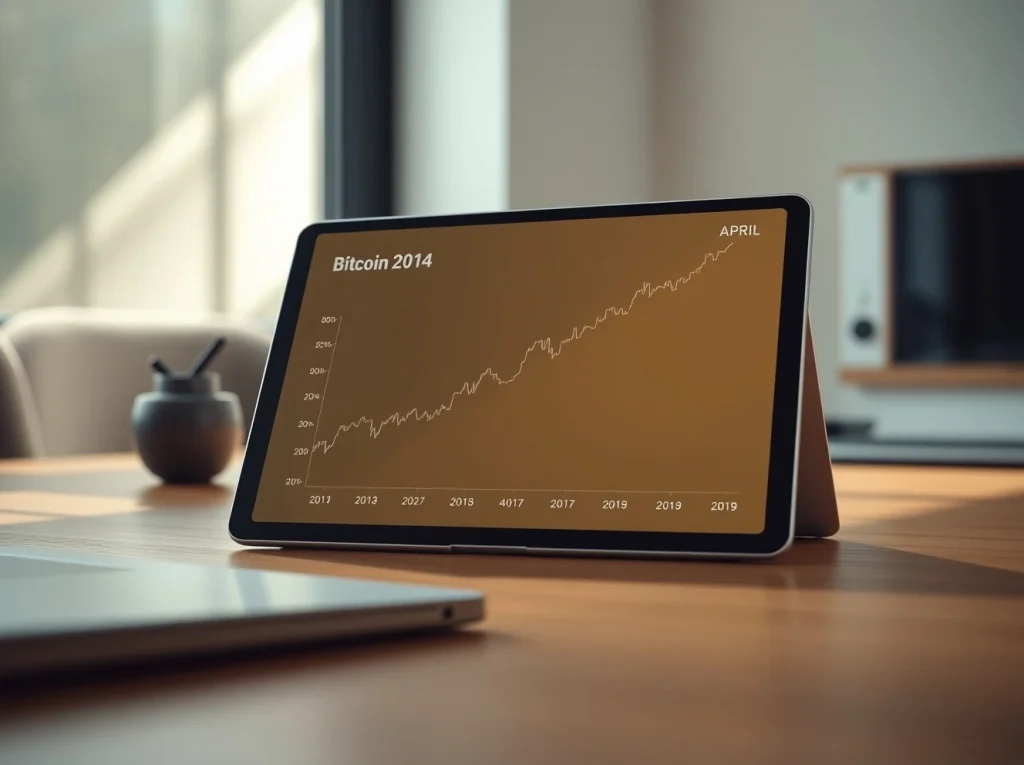
Bitcoin’s price action is entering a historically predictable phase. After a strong weekly rebound, the cryptocurrency is trading near $72,000, firmly within a $65,000 to $75,000 range. Data from April 11, 2026, shows this consolidation aligns with long-term seasonal patterns that often see steady gains in the second quarter before activity softens in the summer months.
Bitcoin’s Current Position and Historical Context
Bitcoin pushed back above $72,000 on April 10, 2026, marking a 7.7% recovery from the previous week’s levels. This price sits squarely in a consolidation channel that has defined trading for several weeks. According to data from CoinGlass, this range-bound behavior is not unusual for April. Historical analysis reveals a clear trend: April has frequently been a positive month for Bitcoin returns over the past decade.
Also read: BNB Chain Reveals New Layer 1 Blockchain for Agentic Trading, Mainnet Set for 2027
But what happens next often follows a script. Market analysts point to a recurring summer slowdown. “We see a distinct pattern of lower trading volume and reduced volatility in June and July,” noted a report from CryptoQuant last year. This seasonal lull has been a feature of crypto markets, though its intensity can vary with broader macroeconomic conditions.
The Institutional Demand Engine: ETF Inflows
A key factor supporting current prices is sustained institutional interest. U.S. spot Bitcoin exchange-traded funds (ETFs) recorded net inflows of $1.6 billion in March 2026. This data, reported by Farside Investors, signals that major financial players continue to seek Bitcoin exposure despite the sideways price action.
Also read: Naver Financial and Dunamu Push Share Swap Deadline to December Amid Regulatory Hurdles
This demand provides a fundamental floor. The implication is that even if retail trading interest wanes seasonally, institutional buying through regulated vehicles could prevent sharp declines. Industry watchers note that ETF flow data has become a critical leading indicator, often preceding price movements by several days.
Analyzing the Seasonal Data
Seasonality in financial markets refers to recurring patterns at certain times of the year. For Bitcoin, these patterns have emerged with surprising consistency. A review of monthly returns from 2015 to 2025 shows:
- April: Average return of +5.2%.
- May: Average return of +2.8%.
- June: Average return of -0.5%.
- July: Average return of +1.1%, but with significantly lower volatility.
This suggests the second quarter often starts strong before momentum fades. The data does not guarantee future results, but it provides a framework. What this means for investors is a potential roadmap: expect possible stability or modest gains through May, followed by a period of quieter, potentially range-bound trading.
Market Mechanics and Summer Liquidity
The “summer slump” isn’t unique to crypto. Traditional equity markets also often experience lower volumes during the Northern Hemisphere summer. Traders and fund managers take vacations, leading to reduced market participation. In Bitcoin’s case, this drop in active speculation can result in narrower trading ranges and less dramatic price swings.
However, the modern market structure is different. The presence of ETFs creates a constant, automated demand channel that wasn’t present in previous cycles. This could dampen the historical seasonal effect. Data from the past two summers shows that while volume dropped, the price drawdowns were less severe than in pre-ETF eras.
External Factors That Could Disrupt the Pattern
Seasonality is a tendency, not a law. Several external forces could override the typical summer calm. Macroeconomic policy remains a primary driver. Decisions by the U.S. Federal Reserve on interest rates, scheduled for meetings in June and July, will directly impact investor sentiment across all risk assets, including Bitcoin.
Geopolitical events also play a role. Unexpected global tensions can trigger flights to perceived safe havens, sometimes benefiting Bitcoin. Conversely, regulatory announcements from major economies like the U.S. or the E.U. can introduce sudden volatility. The seasonal pattern assumes a lack of major catalysts—a single significant news event can reset the entire market narrative in hours.
The Role of Derivatives and Utilize
The current market is heavily influenced by derivatives. Funding rates for Bitcoin perpetual swaps have normalized after the recent rebound, according to Bybit exchange data. This indicates that leveraged speculation is not at extreme levels, which reduces the risk of a violent, cascading liquidation event. Lower employ across the market often supports more stable price action, aligning with the forecast for a steady Q2.
But analysts warn that this calm can be deceptive. “Low volatility periods in crypto have frequently preceded large moves,” stated a recent Kraken Intelligence report. The report cautioned that while summer may be quiet, it often sets the stage for increased activity in the autumn.
Conclusion
Bitcoin seasonality points toward a steady second quarter with the potential for softer price action as summer begins. The combination of historical April strength, strong ETF inflows, and typical summer liquidity drains creates a plausible forecast for continued range trading between $65,000 and $75,000. While external shocks can always disrupt patterns, the current setup favors consolidation. For investors, this Bitcoin seasonality analysis suggests a period for strategic accumulation or portfolio review rather than expecting explosive short-term gains.
FAQs
Q1: What is Bitcoin seasonality?
Bitcoin seasonality refers to observed, recurring patterns in its price action and trading volume that correlate with specific times of the year, such as strength in April and often quieter conditions in the summer months.
Q2: How reliable are seasonal patterns for predicting Bitcoin’s price?
Seasonal patterns show historical tendencies but are not foolproof predictors. They are one tool among many, including on-chain data, macroeconomic factors, and institutional flows, that analysts use to gauge market context.
Q3: Why might summer see softer crypto action?
Softer summer action is often attributed to lower trading volumes as major market participants in North America and Europe take holidays, reducing overall market liquidity and speculative activity.
Q4: Do Bitcoin ETFs change the seasonal pattern?
Yes, they potentially can. The constant, automated buying and selling through ETFs provide a new source of liquidity and demand that did not exist in earlier cycles, which may dampen the severity of historical seasonal drops in volume and price.
Q5: What should investors do during a predicted quieter period?
Quieter periods can be used for research, portfolio rebalancing, and dollar-cost averaging. They are often seen as opportunities to build positions without the pressure of high volatility, though investors should always be prepared for unexpected market moves.