Bitcoin ETF Inflows Surge $1B Amid Ceasefire Tensions and Trump’s Iran Accusations
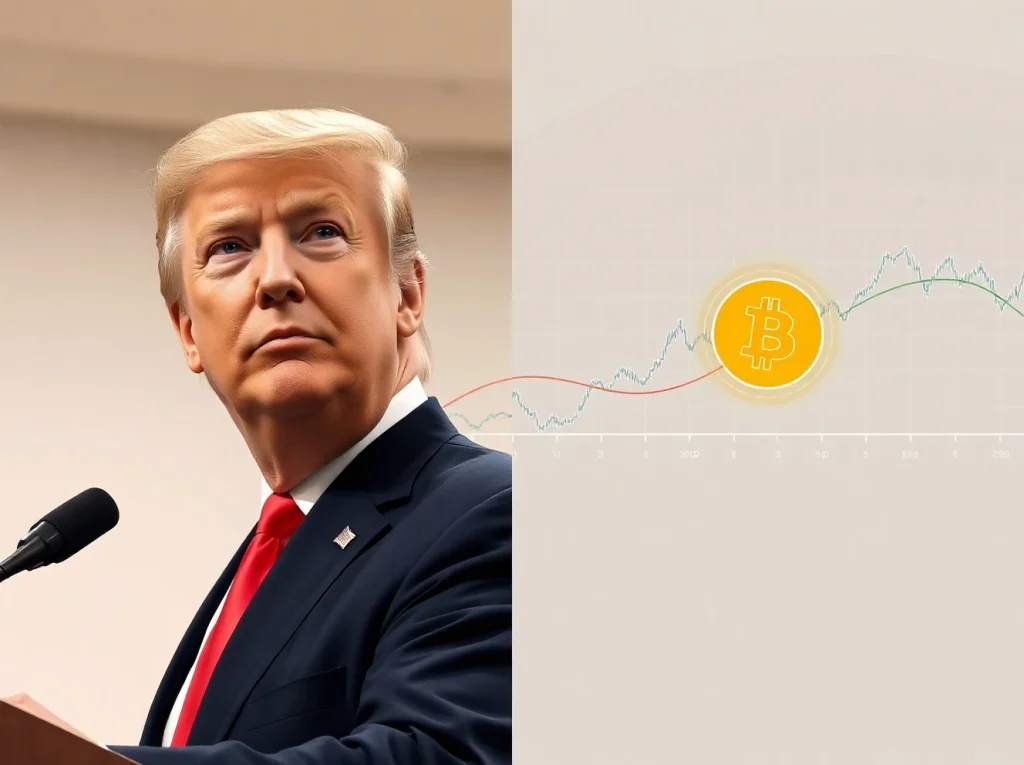
NEW YORK, April 20, 2026—A reported $1 billion flowed into U.S.-based Bitcoin exchange-traded funds last week. This surge coincided with escalating rhetoric from former President Donald Trump, who publicly accused Iran of undermining Middle East ceasefire efforts. The parallel developments highlight how digital asset markets increasingly react to global political friction.
Bitcoin ETFs Attract Major Capital Inflow
Data from Bloomberg and CoinShares shows spot Bitcoin ETFs in the United States gathered approximately $1.02 billion in net new assets over the past five trading days. This marks the strongest weekly inflow since February 2026. The iShares Bitcoin Trust (IBIT) and Fidelity Wise Origin Bitcoin Fund (FBTC) led the gains, according to provisional figures.
Also read: Zcash Co-Founder Eli Ben-Sasson Questions Bitcoin's 21M Cap, Proposes 4% Annual Growth
This suggests institutional investors are returning to crypto markets after a period of caution. Market analysts point to several factors. Macroeconomic uncertainty persists. Some investors view Bitcoin as a potential hedge against currency devaluation and geopolitical instability. The recent inflows reversed a brief streak of outflows seen earlier in April.
Trump’s Comments Fuel Geopolitical Anxiety
On April 18, Donald Trump made remarks at a campaign event in Michigan. He stated Iran was “sabotaging” the fragile ceasefire negotiations between Israel and Hamas. “They’re not acting in good faith,” Trump said, without providing specific intelligence to support the claim. The White House and State Department officials later reiterated the U.S. commitment to the diplomatic process.
Also read: Binance DOJ Report Raises New Questions About Crypto Enforcement
Trump’s accusation immediately drew reactions. Oil prices ticked upward by 2% in after-hours trading. Traditional safe-haven assets like gold also saw increased buying interest. But the notable move was in digital assets. Bitcoin’s price rose 5% in the 24 hours following the comments, breaking above $72,000.
Connecting Political Rhetoric to Market Moves
Financial observers note a pattern. “We’ve seen this before,” said Martha Chen, a senior analyst at FinTech Analytics Group. “Sharp geopolitical statements, especially those involving oil-producing regions or major powers, can trigger volatility. What’s new is the speed and scale of the reaction in crypto markets.” Chen’s firm tracks capital flows across asset classes.
According to their data, a portion of the ETF inflows originated from commodity trading advisors and macro hedge funds. These players often adjust portfolios based on global risk assessments. The implication is clear. Some large investors are treating Bitcoin not just as a tech bet, but as a liquid asset sensitive to world events.
The Mechanics of ETF Flows and Price Impact
How does $1 billion in ETF buying affect Bitcoin? The process is direct. When investors buy shares of a spot Bitcoin ETF, the fund’s issuer must purchase an equivalent amount of actual Bitcoin to back the shares. This creates immediate buy-side pressure on the underlying market.
Key details of the recent inflow period:
- Timing: Net inflows occurred from April 14 to April 18.
- Primary Drivers: IBIT attracted ~$450M; FBTC attracted ~$380M.
- Market Context: Bitcoin’s price rose from ~$68,500 to ~$72,500 during the week.
- Trading Volume: Total U.S. spot Bitcoin ETF volume averaged $3.8 billion daily.
This buying activity reduces the available supply of Bitcoin on exchanges. It can amplify price moves, especially when combined with other catalysts like geopolitical news.
Historical Context: Crypto and Geopolitical Events
This isn’t the first time digital assets have moved on world news. During the initial phases of the Russia-Ukraine conflict in 2022, Bitcoin initially sold off but then recovered sharply. Donations in crypto to support Ukraine surpassed $100 million. In 2023, banking sector stress in the U.S. and Europe coincided with a 40% quarterly gain for Bitcoin.
What this means for investors is a more complex correlation matrix. Bitcoin’s value proposition has expanded. It is no longer viewed solely through the lens of monetary inflation or adoption curves. Market participants now weigh its response to diplomatic fractures and regional conflicts.
Data from CryptoQuant shows exchange reserves fell during the inflow week. This indicates coins were moving from trading platforms to custodial wallets, likely those of ETF issuers. A tightening supply on exchanges often precedes bullish price action.
The Iran Factor and Regional Stability
Iran’s role in Middle East politics has long influenced energy markets. The country is a major oil producer. Any threat to regional stability or the Strait of Hormuz shipping lane can send shockwaves through commodities. Trump’s recent comments reintroduced a layer of uncertainty just as ceasefire talks showed tentative progress.
Industry watchers note that crypto markets, operating 24/7, can price in news faster than traditional markets closed for weekends. The weekend following Trump’s statement saw continued active trading in Bitcoin, while stock and bond markets were silent.
Regulatory and Market Structure Implications
The sustained inflows into Bitcoin ETFs have a secondary effect. They legitimize the asset class in the eyes of some conservative institutions. Pension funds and endowments that might avoid direct crypto exposure can access it through regulated, familiar ETF structures.
This could signal a longer-term shift. As more capital enters via this conduit, Bitcoin’s price discovery becomes more integrated with the broader financial system. It also becomes more exposed to the same macroeconomic and geopolitical forces that drive bonds and stocks.
The Securities and Exchange Commission approved the first U.S. spot Bitcoin ETFs in January 2024. Since then, net inflows have exceeded $15 billion. The scale now means weekly flows are a significant market data point, watched as closely as Fed statements or employment reports.
Conclusion
The convergence of a $1 billion Bitcoin ETF inflow and heightened geopolitical rhetoric is revealing. Digital asset markets are maturing, reacting with speed to global events. Trump’s focus on Iran and ceasefire dynamics provided a real-time test of this sensitivity. For traders and long-term holders alike, understanding these connections is now part of the essential analysis. The week’s events underscore that Bitcoin and major political developments are increasingly intertwined.
FAQs
Q1: How much money entered U.S. Bitcoin ETFs last week?
Approximately $1.02 billion flowed into U.S. spot Bitcoin ETFs during the week ending April 18, 2026, according to data from CoinShares and Bloomberg.
Q2: What did Donald Trump say about Iran?
At an April 18 campaign event, Trump accused Iran of undermining Middle East ceasefire negotiations, stating the country was “not acting in good faith.” The comments added to geopolitical tensions.
Q3: Why might geopolitical tension affect Bitcoin?
Some investors view Bitcoin as a potential hedge against traditional financial system risks, including currency instability or conflict-driven market disruptions. This can lead to increased buying during periods of uncertainty.
Q4: Which Bitcoin ETFs saw the most inflows?
The iShares Bitcoin Trust (IBIT) and the Fidelity Wise Origin Bitcoin Fund (FBTC) attracted the majority of the week’s new capital, roughly $450 million and $380 million respectively.
Q5: Has this pattern happened before?
Yes. Bitcoin and other digital assets have shown price sensitivity to major geopolitical events in recent years, including the Russia-Ukraine conflict and regional banking crises, though the reaction mechanisms continue to evolve.