Algorand Integrates With Google’s AP2 Standard, Targeting AI Agent Payments
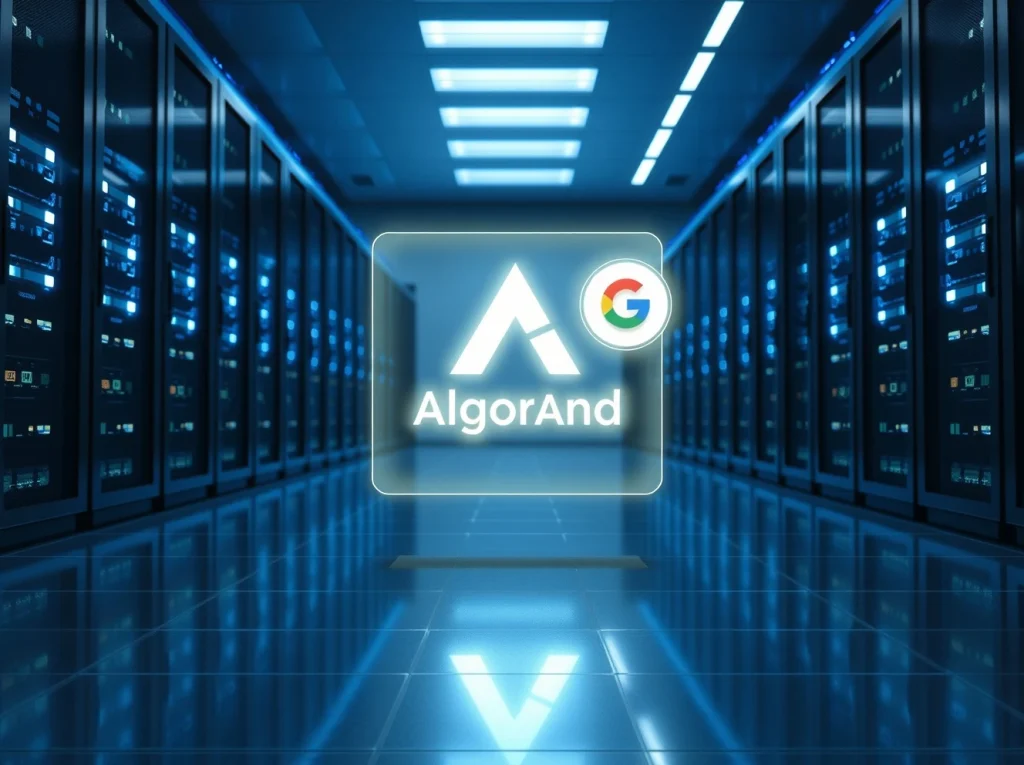
The field of cryptocurrency payments is evolving beyond simple peer-to-peer transfers. A notable development in this shift involves the Algorand blockchain, which has integrated with Google’s Agentic Payments Protocol, known as AP2. This integration positions Algorand to support transactions for autonomous AI agents, API calls, and machine-to-machine settlements, signaling a practical step toward automated digital economies.
What the Google AP2 Integration Means
The AP2 standard, developed by Google, is designed to enable secure and efficient payments between software agents without human intervention. By joining this framework, Algorand supports the x402 protocol, which allows AI agents to pay for services—such as API access or compute resources—using cryptocurrency. This is a departure from traditional payment rails, which are not optimized for high-frequency, low-value machine transactions.
Also read: BNB Chain Reveals New Layer 1 Blockchain for Agentic Trading, Mainnet Set for 2027
For Algorand, the move aligns with its technical strengths: fast finality, low transaction fees, and support for smart contracts. These features make it suitable for the microtransactions that agent-based systems require. The integration was announced by the Algorand Foundation, highlighting that developers can now build applications where AI agents autonomously settle payments on the Algorand network.
Broader Implications for Crypto Payments
The concept of machine-to-machine payments is not new, but its practical implementation has been limited. With the rise of generative AI and autonomous agents, the need for programmable money that can be moved by software has become more urgent. Google’s AP2 standard provides a blueprint for how such payments could work at scale, and Algorand’s participation adds a blockchain layer that is both compliant and efficient.
Also read: Naver Financial and Dunamu Push Share Swap Deadline to December Amid Regulatory Hurdles
Industry observers note that this could accelerate the adoption of crypto in enterprise and cloud environments. Instead of humans initiating every transaction, AI agents could negotiate and pay for data, bandwidth, or storage autonomously. This has potential applications in decentralized finance (DeFi), supply chain management, and digital content licensing.
Why This Matters for Developers and Users
For developers, the integration means they can apply Algorand’s infrastructure to build agent-based applications that handle payments natively. This reduces the complexity of integrating separate payment gateways. For end users, it could lead to more fluid experiences where software handles recurring microtransactions without manual approval, similar to how streaming services work today but with greater transparency and programmability.
However, the technology is still nascent. Questions remain about security, oversight, and the economic models that will govern agent-to-agent transactions. The Algorand Foundation has emphasized that the integration is designed with compliance in mind, but the broader regulatory framework for autonomous payments is still developing.
Conclusion
Algorand’s integration with Google’s AP2 standard represents a meaningful step in the evolution of crypto payments. By enabling AI agents and machines to transact autonomously, the development addresses a real gap in the digital economy. While the full impact will take time to materialize, the move positions Algorand as a key infrastructure provider in the emerging field of agentic payments. Readers should watch for further announcements from both Google and the Algorand Foundation as the protocol gains adoption.
FAQs
Q1: What is Google’s AP2 protocol?
AP2 stands for Agentic Payments Protocol, a standard developed by Google to support secure, automated payments between AI agents, APIs, and machines without human intervention.
Q2: How does Algorand support the x402 protocol?
Algorand has integrated the x402 protocol, which is part of the AP2 standard, allowing AI agents to initiate and settle cryptocurrency transactions on the Algorand blockchain for services like API calls.
Q3: What are machine-to-machine crypto payments?
These are transactions where software agents or devices pay each other directly using cryptocurrency, enabling autonomous operations such as paying for data, compute resources, or digital services without human approval.