Zonda Wallet Crisis: 4,500 Bitcoin Locked as Withdrawal Delays Spark Security Alarm
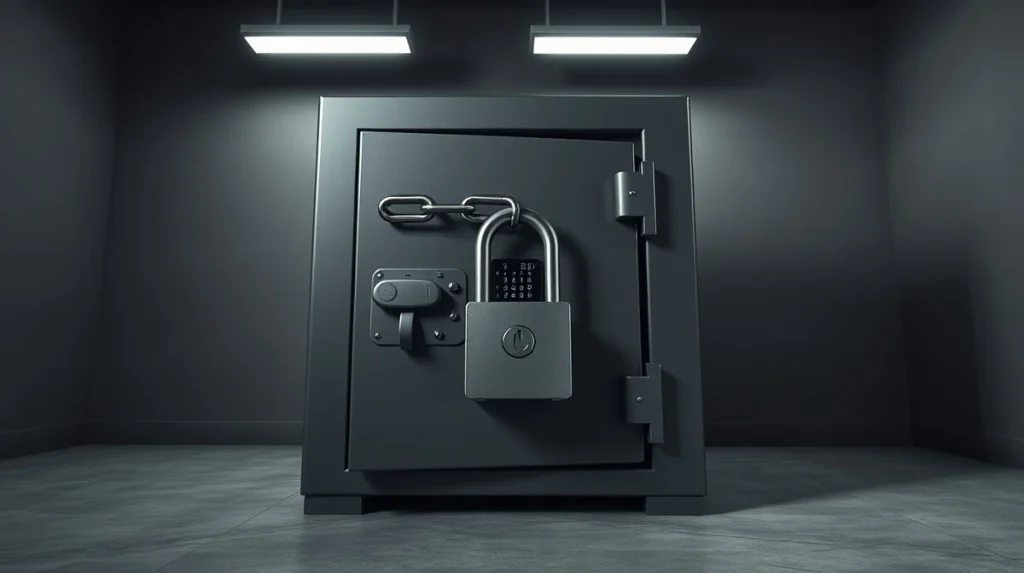
WARSAW, April 17, 2026 – Cryptocurrency exchange Zonda is confronting a severe operational crisis. A cold wallet containing approximately 4,500 Bitcoin, valued at over $270 million, has become inaccessible. This technical failure has triggered widespread withdrawal delays for users, compounding fears about the security of customer funds. The situation has escalated due to the reported absence of the exchange’s founder, raising urgent questions about the custody of the private keys required to unlock the massive Bitcoin reserve.
Zonda Wallet Locked in Technical Standstill
According to user reports and statements from the exchange, the core issue involves a malfunction in accessing a primary cold storage wallet. Cold wallets, which store cryptocurrency offline, are considered a security best practice. However, they rely on physical access to private keys, often stored on hardware devices or paper backups. Data from blockchain explorers confirms a wallet associated with Zonda holds the 4,500 BTC and has shown no outflow transactions for several days, coinciding with user complaints.
Also read: CZ Says Binance KYC Compliance Led to His Prison Term, While Hyperliquid Operates Without KYC
Zonda has acknowledged the problem in communications to its user base. The exchange stated that technical teams are working to resolve the “wallet access issue” but has not provided a specific timeline for restoration. This lack of a clear resolution plan has fueled anxiety. Industry watchers note that while technical glitches occur, the scale of funds involved and the prolonged delay are unusual for a regulated European exchange.
Withdrawal Delays and Mounting User Frustration
For Zonda’s customers, the abstract problem of a locked wallet has translated into a very concrete reality: frozen funds. Social media platforms and crypto forums are filled with accounts from users unable to withdraw Bitcoin, Ethereum, and other assets. Some report pending transactions for over 72 hours. The exchange’s support channels appear overwhelmed.
Also read: Hyundai Card Tests Stablecoin Payments Between US and Mexico Subsidiaries
This suggests the wallet issue may be affecting the exchange’s overall liquidity management. Exchanges typically keep a portion of assets in hot wallets for daily withdrawals, backed by larger reserves in cold storage. If the cold storage is inaccessible, the hot wallet can be depleted, causing a backlog. The implication is that Zonda’s operational liquidity is under significant strain.
A Pattern of Precedent in Crypto Security
This incident echoes past failures in the cryptocurrency sector. The most infamous example is the loss of approximately 850,000 Bitcoin by the Mt. Gox exchange in 2014, primarily due to mismanagement and theft. More recently, the collapse of the FTX exchange in 2022 revealed catastrophic commingling of customer funds and a lack of proper financial controls. While there is no evidence of fraud at Zonda, the inability to access cold storage highlights a critical single point of failure. Security experts consistently advocate for multi-signature wallets and distributed key custody to prevent such scenarios.
The Missing Founder and Private Key Concerns
Adding a layer of complexity to the crisis is the reported whereabouts of Zonda’s founder. According to Polish business news outlet Money.pl, the founder’s current location is unknown, and he has been unreachable to some company executives. This has intensified speculation about the security and location of the private keys needed to unlock the 4,500 BTC.
In traditional cryptocurrency custody, private keys are the ultimate authority. Losing them means permanently losing access to the associated funds. The founder’s absence, whether related to the technical issue or separate personal reasons, creates a major procedural hurdle. It raises a fundamental question: who controls the keys, and what contingency plans are in place if the primary keyholder is unavailable? This could signal deeper governance issues within the exchange’s operational structure.
Regulatory Scrutiny and Market Impact
Zonda, formerly known as BitBay, is one of the longest-standing crypto exchanges in Central Europe and is regulated in several jurisdictions, including Lithuania. Regulatory bodies are likely monitoring the situation closely. Prolonged withdrawal suspensions often trigger formal investigations to determine if customer asset segregation rules have been breached.
The market impact has been immediate but contained. While Zonda’s native token has seen volatility, the broader Bitcoin market has not reacted significantly. This indicates the market views it as an isolated insolvency risk rather than a systemic threat. However, for the exchange’s reputation, the damage may be lasting. Trust, once eroded, is difficult to rebuild in the competitive exchange arena.
What Users and Investors Should Do
For users with funds on the Zonda platform, the recommended course of action is caution. Document all withdrawal attempts and communications with support. Avoid depositing new funds until the situation is fully resolved and normal operations resume.
What this means for investors is a stark reminder of counterparty risk. Even with regulated entities, technical and operational failures can occur. It underscores the principle of “not your keys, not your coins.” For large holdings, self-custody through hardware wallets remains the safest option, eliminating reliance on any third party’s internal controls or technical stability.
Conclusion
The Zonda wallet crisis, with 4,500 Bitcoin locked and withdrawals stalled, is a serious test for the exchange. It exposes vulnerabilities in key management and disaster recovery protocols. While the funds appear safe on the blockchain, their inaccessibility poses a direct threat to user confidence and the exchange’s viability. The resolution of this incident will depend on Zonda’s ability to either restore technical access or implement a validated contingency plan, all while maintaining transparent communication. The outcome will be closely watched as a case study in crypto exchange resilience and operational security.
FAQs
Q1: What exactly happened with Zonda’s Bitcoin wallet?
Zonda reported a technical failure preventing access to one of its primary cold storage wallets. This wallet holds about 4,500 Bitcoin. Because the exchange cannot access these funds, it has been unable to process many user withdrawals, leading to significant delays.
Q2: Are the 4,500 Bitcoin lost or stolen?
Based on available information, the Bitcoin are not lost or stolen. Blockchain data shows they remain in the original wallet address. The problem is one of access—the exchange currently cannot sign transactions to move them, likely due to an issue with the private keys or the hardware storing them.
Q3: How does the missing founder affect the situation?
The reported absence of the founder complicates resolution. If he is a sole or primary custodian of the necessary private keys, his unavailability could prevent technicians from fixing the access problem. It highlights a risk of centralized key control without proper succession or backup protocols.
Q4: Is Zonda a regulated exchange?
Yes. Zonda operates under regulatory frameworks in several European countries, including Lithuania. This regulatory status means it is subject to financial oversight, which may involve audits and requirements to safeguard customer funds. This incident will likely attract scrutiny from these regulators.
Q5: What should I do if my funds are stuck on Zonda?
First, ensure you have clear records of your account balance and any pending withdrawal IDs. Monitor official Zonda communication channels for updates. Avoid panic-selling assets within the exchange if markets are volatile. Consider the incident a lesson in the risks of leaving substantial funds on any trading platform long-term.