XRP Shatters Key Resistance: Analyzing the Breakout from a Multi-Year Pattern
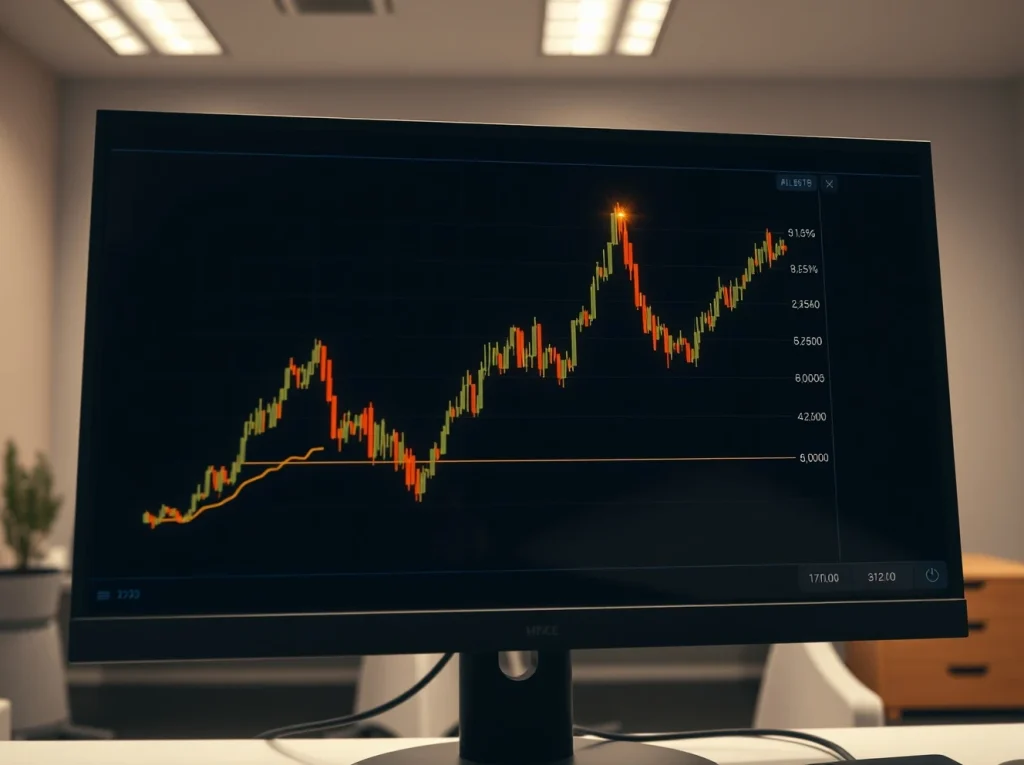
The digital asset XRP has captured market attention by decisively breaking a symmetrical triangle pattern that confined its price for years. This technical event, confirmed in July 2025, propelled the token to a new all-time high. The move coincides with significant infrastructure development, notably SBI Ripple Asia’s launch of a tokenization platform on the XRP Ledger. Traders are now watching to see if the breakout holds.
The Technical Breakout Explained
In technical analysis, a symmetrical triangle forms when lower highs and higher lows converge. It represents a period of consolidation and indecision. The pattern’s resolution often signals the next major price trend. For XRP, this pattern had been building on weekly charts since early 2021. The July 2025 breakout above the triangle’s upper trendline was notable for its high trading volume, a key factor analysts use to validate such moves.
Also read: BNB Chain Reveals New Layer 1 Blockchain for Agentic Trading, Mainnet Set for 2027
“A high-volume breakout from a multi-year pattern carries significant weight,” noted a report from crypto analytics firm IntoTheBlock. Data from the firm showed a sharp increase in large transaction volume surrounding the event. This suggests institutional or large-scale investor participation.
The immediate aftermath saw XRP enter a retest phase. This is a common market behavior where the price pulls back to test the former resistance level, now turned support. A successful hold above this level typically confirms the breakout’s strength. Chart data from TradingView indicates this retest was ongoing through late 2025 and into early 2026.
Also read: Naver Financial and Dunamu Push Share Swap Deadline to December Amid Regulatory Hurdles
Fundamental Catalysts: Beyond the Chart
Technical moves rarely occur in a vacuum. The breakout aligned with concrete developments in the XRP ecosystem. In September 2025, SBI Ripple Asia, a joint venture between Japanese financial giant SBI Holdings and Ripple, announced the launch of a platform for issuing stablecoins and other digital assets on the XRP Ledger (XRPL).
This platform aims to support real-world use cases for blockchain, like settling cross-border payments and tokenizing assets. According to a press release from SBI Holdings, the initiative targets institutional clients in Asia first. Industry watchers note that such utility-focused development can underpin long-term value, distinct from speculative trading.
Furthermore, activity on the XRPL itself has seen growth. Metrics from XRPScan show a steady increase in daily transactions and newly created accounts throughout 2025. While not directly causing a price spike, sustained network use provides a fundamental backdrop that traders consider.
Regulatory Context and Market Sentiment
The broader regulatory environment also plays a role. Ripple’s ongoing legal case with the U.S. Securities and Exchange Commission (SEC) reached a critical juncture in 2023 with a ruling that XRP is not a security when sold to the general public. This provided market clarity that had been lacking for years.
Analysts at Bloomberg Intelligence suggested this legal clarity removed a major overhang, potentially allowing traditional finance entities to engage with XRP and the XRPL with more confidence. The SBI platform launch is seen as an early example of this effect. Market sentiment, as measured by tools like the Crypto Fear & Greed Index, shifted to ‘greed’ territory following the July 2025 breakout, though it has since moderated.
What Historical Precedents Suggest
Historical crypto market data offers context, though past performance never guarantees future results. Major breakouts from prolonged consolidation periods have sometimes led to extended rallies. For instance, Bitcoin’s breakout from a multi-year accumulation pattern in 2020 preceded a multi-year bull market.
However, the outcomes are not uniform. Ethereum broke from a similar pattern in 2017, saw a massive run, but then entered a prolonged bear market. The implication for XRP is that a confirmed breakout opens the door for significant trended movement, but its magnitude and duration depend on continued fundamental adoption and broader market conditions.
Key levels traders monitor include:
- Support: The prior triangle resistance near the $0.75 – $0.85 range (pre-breakout levels).
- Resistance: The recent all-time high set in July 2025, followed by psychologically important round numbers.
- Volume: Sustained or increasing volume on upward moves confirms buyer interest.
What this means for investors is a shift in market structure. The multi-year period of being range-bound is potentially over. The new phase is about establishing a fresh trend, which brings both opportunity and increased volatility.
Risks and Considerations for the Next Phase
While the breakout is technically significant, several risks remain. First, the retest phase is not yet conclusively over. A failure to hold support could see the price fall back into the triangle, invalidating the breakout signal. This would likely trigger selling from disappointed traders.
Second, the entire cryptocurrency market remains correlated to macroeconomic factors like interest rates and inflation. A broad market downturn, as seen in 2022, can overwhelm asset-specific positive news. Data from CoinMetrics shows that 30-day correlation between XRP and Bitcoin remains high, often above 0.7.
Finally, the success of fundamental drivers like SBI’s platform is not immediate. It will take quarters or years to see meaningful adoption and transaction flow that could materially impact XRP’s utility and demand. This suggests the path forward may involve volatility as technical trading and long-term fundamental value discovery interact.
Conclusion
The XRP breakout from its multi-year symmetrical triangle marks a central moment for the asset. It combines a major technical signal with parallel developments in real-world utility on the XRP Ledger. The coming months will be critical to see if the retest confirms the breakout’s strength, potentially setting the stage for a new trend. Traders and long-term holders alike are watching closely, balancing chart patterns against the gradual progress of adoption and an evolving regulatory arena.
FAQs
Q1: What is a symmetrical triangle pattern in trading?
A symmetrical triangle is a chart pattern formed by converging trendlines connecting a series of lower highs and higher lows. It indicates a period of consolidation before the price breaks out to continue the prior trend or start a new one.
Q2: Why is the July 2025 date important for XRP?
In July 2025, the price of XRP conclusively broke above the upper trendline of the multi-year symmetrical triangle pattern it had been trading within, on significant volume. This technical event led to a new all-time high for the asset.
Q3: What did SBI Ripple Asia launch?
SBI Ripple Asia launched a platform for issuing digital assets, including stablecoins, on the XRP Ledger. Announced in September 2025, the platform is designed to support real-world blockchain applications for institutional clients, starting in Asia.
Q4: What does a ‘retest phase’ mean after a breakout?
After a price breaks above a resistance level, it often pulls back to test that same level, which should now act as support. If the price holds above this level, it confirms the breakout was valid and that buyers are defending the new support zone.
Q5: Does the legal case with the SEC still affect XRP?
The core ruling in 2023 that XRP is not a security in public sales provided major clarity. While aspects of the case were still on appeal as of early 2026, the initial ruling removed a significant barrier to exchange listings and institutional engagement in the United States.