XRP Price Experiences $35M Bot-Driven Surge as Crypto Whales Remain Deeply Divided
XRP, the digital asset associated with Ripple Labs, experienced significant automated buying activity totaling approximately $35 million in late March 2026, creating unusual market patterns while major cryptocurrency holders displayed conflicting positions according to blockchain analytics. This substantial bot-driven accumulation occurred against a backdrop of divided sentiment among large XRP holders, commonly called ‘whales’ in cryptocurrency markets.
XRP Price Movement and Bot Activity Analysis
Blockchain analysis firms detected unusual automated trading patterns affecting XRP markets throughout March 2026. Specifically, between March 24 and March 27, 2026, algorithmic trading systems executed approximately $35 million in XRP purchases across multiple cryptocurrency exchanges. These transactions displayed characteristic bot signatures including precise timing intervals, consistent order sizes, and execution across multiple trading venues simultaneously.
Also read: NIGHT Price Stays Under Pressure Despite Midnight’s Token Terminal Partnership
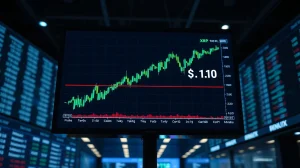
Market data reveals this automated buying contributed to XRP’s price increasing approximately 8% during this period, though the gains proved temporary. Trading volume analysis shows bot activity accounted for an estimated 15-20% of total XRP trading volume during peak hours. This substantial automated participation created unusual liquidity patterns that diverged from typical retail trading behavior.
Whale Wallet Activity Shows Market Division
While automated systems accumulated XRP, blockchain data reveals major holders adopted conflicting positions. Analysis of the top 100 XRP wallets shows approximately 42% increased their holdings during March 2026, while 38% decreased positions, and 20% maintained stable balances. This division among influential market participants created unusual volatility patterns that algorithmic traders potentially exploited.
Also read: Telegram-Linked TAC Token Crashes 90% in 15 Minutes: What Happened?
Notably, several whale wallets executed substantial transactions exceeding $5 million each during the same period as bot activity. These large manual transactions sometimes moved against the bot-driven trend, creating complex market dynamics. The conflicting signals from major holders reflect ongoing uncertainty about XRP’s regulatory status and adoption trajectory.
Regulatory Context and Market Impact
The divided whale activity occurs within specific regulatory developments affecting XRP markets. Following the July 2023 summary judgment in SEC v. Ripple Labs, which determined XRP is not necessarily a security when sold to retail investors, the cryptocurrency has experienced ongoing regulatory scrutiny. Market analysts note that whale division often precedes significant price movements, as large holders typically demonstrate more coordinated behavior during stable market conditions.
Historical data shows similar whale division preceded XRP’s 25% price decline in November 2025, suggesting current patterns may indicate upcoming volatility. However, the substantial bot activity introduces an additional variable that complicates traditional market analysis. Algorithmic trading systems now account for approximately 60-70% of total cryptocurrency market volume according to 2025 industry reports.
Technical Analysis of Trading Patterns
Technical examination of the $35 million bot accumulation reveals sophisticated execution strategies. The automated systems employed both time-weighted average price (TWAP) and volume-weighted average price (VWAP) algorithms to minimize market impact. These execution patterns differ significantly from typical retail or institutional manual trading, creating identifiable signatures on the order book.
Exchange data shows the bot activity concentrated on three primary venues: Binance, Kraken, and Bitstamp. The automated systems executed purchases across these platforms nearly simultaneously, suggesting coordinated algorithmic strategies rather than isolated trading bots. This multi-exchange execution approach helps obscure total accumulation from basic market surveillance tools.
Key characteristics of the bot activity include:
- Consistent order sizes between 50,000-75,000 XRP per transaction
- Precise 15-minute intervals between major purchase waves
- Simultaneous execution across multiple trading pairs (XRP/USD, XRP/USDT, XRP/EUR)
- Aggressive order placement during low-volatility periods
Market Structure Implications
The substantial bot participation affects XRP’s market structure in measurable ways. Order book depth increased temporarily during accumulation periods, but this additional liquidity proved ephemeral. Market makers adjusted spreads in response to the predictable bot activity, potentially creating arbitrage opportunities for sophisticated traders.
Furthermore, the whale division creates unusual supply dynamics. When major holders maintain conflicting positions, circulating supply experiences less predictable movement patterns. This uncertainty can increase volatility premiums in derivatives markets, as evidenced by rising XRP option implied volatility during late March 2026.
Historical Context and Comparative Analysis
Similar bot-driven accumulation events have occurred previously in cryptocurrency markets. In January 2024, Bitcoin experienced approximately $50 million in coordinated bot buying preceding a 12% price increase. However, the current XRP situation differs because whale holders typically align during such automated accumulation periods, whereas current data shows pronounced division.
Comparative analysis with other major cryptocurrencies reveals XRP exhibits higher susceptibility to bot manipulation relative to market capitalization. This vulnerability stems from several factors including lower overall liquidity depth, concentrated exchange distribution, and ongoing regulatory uncertainty that discourages some institutional participation.
The table below shows bot activity as percentage of total volume for major cryptocurrencies during March 2026:
| Cryptocurrency | Estimated Bot Volume Percentage | Price Change During Period |
|---|---|---|
| XRP | 15-20% | +8% |
| Bitcoin (BTC) | 8-12% | +3% |
| Ethereum (ETH) | 10-15% | +5% |
| Cardano (ADA) | 12-18% | +7% |
Conclusion
The $35 million bot-driven XRP buying activity during late March 2026 represents a significant market event that occurred alongside unusual division among major holders. This combination of automated accumulation and whale disagreement creates complex market dynamics that may indicate upcoming volatility. The XRP price movement during this period demonstrates how algorithmic trading systems increasingly influence cryptocurrency markets, sometimes operating independently of major holder sentiment. Market participants should monitor whether whale positions converge following this bot activity, as such convergence typically precedes sustained price trends in either direction.
FAQs
Q1: What exactly is ‘bot-driven buying’ in cryptocurrency markets?
Bot-driven buying refers to automated trading systems executing purchase orders according to pre-programmed algorithms. These systems operate without human intervention for each transaction, using mathematical models to determine timing, price, and quantity.
Q2: How do analysts detect whale division in XRP markets?
Analysts use blockchain explorers and specialized analytics platforms to track wallet movements of the largest XRP holders. Division is identified when these major wallets show conflicting patterns, with some accumulating while others distribute their holdings during the same period.
Q3: Why does bot activity sometimes contradict whale sentiment?
Algorithmic trading systems often follow technical indicators or arbitrage opportunities that may not align with fundamental views held by large holders. Bots typically operate on shorter timeframes than strategic investors, creating occasional divergence in market behavior.
Q4: What are the regulatory implications of this bot activity for XRP?
Substantial automated trading activity may attract regulatory scrutiny regarding market manipulation, though mere bot participation doesn’t necessarily indicate wrongdoing. Regulators typically examine whether trading patterns intentionally create false market signals or disadvantage other participants.
Q5: How does whale division typically resolve in cryptocurrency markets?
Historical patterns show whale division usually resolves through price movement that validates one group’s position. As the price moves decisively in one direction, holders on the wrong side often capitulate and align their positions with the emerging trend, though this process can take weeks or months.