Valle Capital Token Launches RWA Ecosystem Targeting Brazilian Agribusiness on BNB Chain
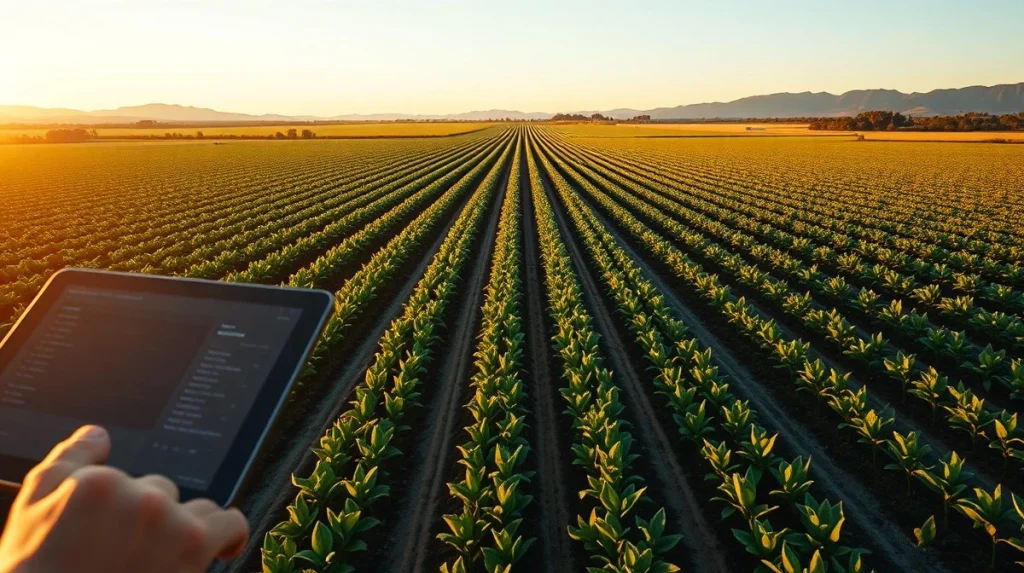
Valle Capital Token (VCT) officially launched its real-world asset (RWA) ecosystem on July 1, 2026, aiming to bridge global digital capital with Brazilian agribusiness operations and international commodity exports. Built on BNB Smart Chain, the project integrates utility-token functionality with a suite of digital tools including satellite monitoring, climate mapping, logistics tracking, and smart-contract-based transparency across the agricultural supply chain.
Bridging Web3 and Real-World Agriculture
The project is structured around a British Virgin Islands tokenization entity and aims to create a technological layer for the agro-export chain. According to the official announcement, VCT is designed to improve visibility and digital integration across multiple stages of production and trade, from advance commodity purchases and crop financing to storage, shipment preparation, and international settlement. The ecosystem targets producers, commercial partners, exporters, and international buyers.
Also read: AlphaPepe Presale Nears August 19 Reveal: Whales Accumulate as Stage 20 Advances
Key planned features include satellite-based field monitoring, climate and territorial mapping, logistics tracking for commodity movement, irrigation mapping, and AI-driven operational analysis. Digital traceability tools are intended to create on-chain records for production milestones, product origin, and documentation such as invoices, packing lists, and bills of lading.
Tokenomics and Presale Structure
VCT has a fixed total supply of 650 million tokens on BNB Smart Chain. The allocation breaks down as follows: 35% (227.5 million) for presale, 25% (162.5 million) for operations and treasury, 15% (97.5 million) for liquidity and listings, 10% (65 million) each for marketing/ecosystem and team/advisors, and 5% (32.5 million) for strategic reserve and legal.
Also read: PUMPCHANGE: A Meme Coin Platform Where Charity Is Locked Into the Fee, Not Left to a Promise
The presale is structured across 15 rounds of 10 days each. Participants receive 10% of their allocation at the token generation event, with the remaining 90% released linearly over 12 months. The project states that participation is subject to KYC/AML verification and is not available to residents of the United States, Brazil, or OFAC-sanctioned jurisdictions.
Operational Strategy: Valle Capital and Grupo CGM
The ecosystem is built around two operating entities. Valle Capital focuses on agribusiness operations including agricultural financing, advance commodity purchases, working capital support, and crop financing. Grupo CGM handles the export-finance side, covering pre-shipment financing, logistics costs, and commodity export preparation.
The project states that international capital will be transferred to Brazilian operating entities through formalized legal mechanisms such as capital contributions and structured private-loan agreements, subject to applicable law and regulatory compliance.
Roadmap and RWA Expansion
Valle Capital Token has outlined a four-phase roadmap. Phase 1 covers foundation and presale, including smart contract development and BNB Chain deployment. Phase 2 focuses on capital deployment for agribusiness and export finance. Phase 3 introduces satellite and climate monitoring, AI analysis, and digital traceability. Phase 4 targets global RWA scale, including on-chain commodity tokenization, fiat on-ramp integration, and a planned global RWA marketplace.
“Valle Capital Token is being developed to connect technology, capital and real operational activity,” said Luan Coimbra Correia, responsible representative of Valle Token, in the announcement. “Our goal is to create a more transparent digital ecosystem where agribusiness, exports, blockchain infrastructure and global participants can operate together.”
VCT is a utility token and does not represent equity, ownership, guaranteed returns, or guaranteed appreciation. The project warns that participation involves risks including market volatility, liquidity risk, and regulatory changes.
Frequently Asked Questions
What is Valle Capital Token (VCT)?
Valle Capital Token is a utility token built on BNB Smart Chain that powers a real-world asset ecosystem focused on Brazilian agribusiness and commodity exports. It aims to bring transparency and digital infrastructure to agricultural financing, logistics, and trade.
How does VCT connect blockchain to agribusiness?
VCT uses EVM smart contracts to record operational milestones, financing flows, and supply chain data on-chain. The ecosystem also includes satellite monitoring, climate mapping, logistics tracking, and AI-driven analysis tools for agricultural operations.
What is the tokenomics of VCT?
The total supply is 650 million VCT. The allocation includes 35% for presale, 25% for operations and treasury, 15% for liquidity and listings, 10% for marketing and ecosystem, 10% for team and advisors, and 5% for strategic reserve and legal.
Is VCT available to US or Brazilian investors?
No. The presale is not marketed to persons in the United States, Brazil, or OFAC-sanctioned jurisdictions. Participation requires KYC/AML verification and is subject to applicable laws.