U.S.-Iran Peace Deal Reportedly Hours Away: What It Means for Crypto Markets

Reports emerging from diplomatic circles suggest a potential peace agreement between the United States and Iran could be finalized within the next 48 hours. While official confirmation remains pending, the development has already begun to influence global financial markets, prompting questions about its potential impact on the cryptocurrency sector.
Geopolitical Context and Market Sensitivity
The prospect of a U.S.-Iran peace deal represents a significant shift in Middle Eastern geopolitics. For years, tensions between the two nations have contributed to volatility in traditional markets, particularly in energy prices and safe-haven assets like gold. Cryptocurrency markets, while often described as uncorrelated, have shown increasing sensitivity to major geopolitical events.
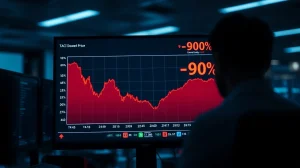
Also read: Telegram-Linked TAC Token Crashes 90% in 15 Minutes: What Happened?
Historically, periods of heightened geopolitical risk have seen mixed reactions in digital assets. The onset of the Russia-Ukraine conflict in 2022 initially triggered a sell-off in Bitcoin before a subsequent recovery. Similarly, the U.S.-Iran tensions in early 2020 saw Bitcoin drop briefly before rallying. This pattern suggests that crypto markets are not immune to sudden shifts in global risk sentiment.
Potential Pathways for a Crypto Rally
If a peace deal is confirmed, several mechanisms could drive a rally in cryptocurrency prices. First, a reduction in geopolitical uncertainty often leads to a broader risk-on sentiment among investors. This could draw capital into higher-volatility assets, including Bitcoin and major altcoins.
Also read: XRP Scarcity Index on Binance Hits Highest Level Since Mid-2024, So Where Did the Coins Go?
Second, a peace deal could lead to the easing of sanctions on Iran. Iran has historically used cryptocurrency mining as a way to bypass financial restrictions. A normalization of relations might increase the supply of mining hardware and hash rate from the region, but it could also open new channels for legitimate crypto adoption and investment within Iran.
Third, a de-escalation of tensions could weaken the U.S. dollar’s safe-haven appeal in the short term. A weaker dollar often correlates with higher Bitcoin prices, as investors seek alternative stores of value.
Market Data and Analyst Views
As of the latest trading sessions, Bitcoin is trading within a narrow range, reflecting market uncertainty ahead of the potential announcement. Analysts at several major trading firms have noted increased options activity betting on a sharp move higher, though they caution that the outcome is far from certain.
Worth mentioning that a peace deal is not guaranteed. Diplomatic negotiations are fragile, and any breakdown in talks could reverse market sentiment quickly. The 48-hour timeline, while cited by sources familiar with the discussions, remains unverified by independent parties.
Why This Matters for Crypto Investors
For cryptocurrency investors, the U.S.-Iran situation underscores the growing interconnectedness between digital assets and traditional geopolitical events. While crypto markets are driven by their own internal dynamics—such as network activity, regulatory developments, and institutional adoption—they are increasingly influenced by macroeconomic and geopolitical forces.
Understanding these linkages is critical for making informed investment decisions. A peace deal could create a short-term tailwind for prices, but the long-term trajectory will depend on broader economic conditions, including inflation data and Federal Reserve policy.
Conclusion
The possibility of a U.S.-Iran peace deal within 48 hours represents a high-impact, low-probability event that markets are beginning to price in. For cryptocurrency markets, the outcome could provide a catalyst for a short-term rally, particularly if it triggers a broader risk-on move. However, investors should remain cautious given the speculative nature of the reports and the historical volatility of digital assets. As always, decisions should be based on verified information and individual risk tolerance.
FAQs
Q1: How would a U.S.-Iran peace deal directly affect Bitcoin’s price?
A: A peace deal could reduce geopolitical risk, leading to a risk-on sentiment that often benefits Bitcoin and other cryptocurrencies. It may also weaken the U.S. dollar’s safe-haven appeal, further supporting Bitcoin prices. However, the impact is not guaranteed and depends on market interpretation.
Q2: Is Iran involved in cryptocurrency mining?
A: Yes, Iran has become a significant player in Bitcoin mining due to its low energy costs. Miners there have used digital currencies to circumvent international sanctions. A peace deal could potentially legitimize and expand this activity.
Q3: Should I buy cryptocurrency based on this news?
A: No. Investment decisions should not be based on unconfirmed reports. While the news could influence short-term price movements, cryptocurrency markets are highly volatile. Always conduct your own research and consider consulting a financial advisor.